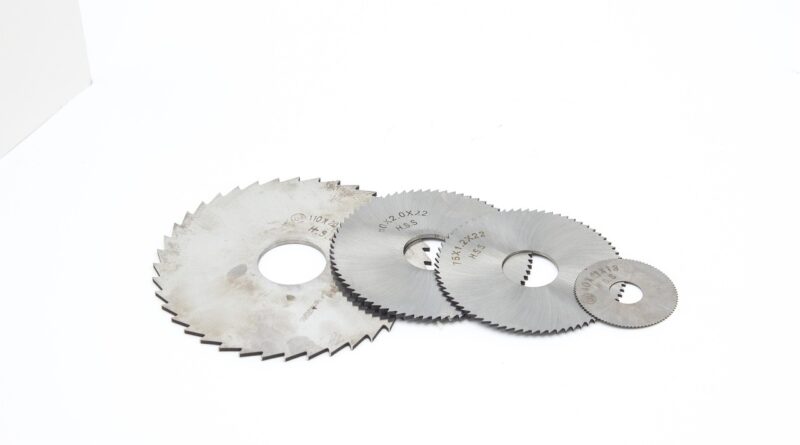
Circular saw blade brands to compare for wood, metal, and jobsite cutting
Brand matters, but the cut matters more
Shoppers comparing circular saw blade brands usually need a practical answer: which brand should they trust for framing lumber, plywood, trim, demolition, metal, or fiber cement? There is no single winner for every job. Diablo, Freud, DeWalt, Milwaukee, Makita, Bosch, CMT, Irwin, Lenox, and Forrest all serve different parts of the market, and their best blades are usually tied to a specific material, saw type, and cut quality requirement.
A useful comparison starts with the work, not the logo. Check blade diameter, arbor size, tooth count, tooth geometry, kerf, maximum RPM, and the material listed on the blade. Brand reputation can narrow the field, but the wrong blade from a respected brand can still cut poorly, wear quickly, or create avoidable safety risk.
For more tool brand coverage, see the Brands section on Taodili.
What separates circular saw blade brands
Most recognizable blade brands sell more than one quality level. A 7-1/4-inch 24-tooth framing blade, a 60-tooth finish blade, a carbide-tipped metal blade, and a polycrystalline diamond blade for fiber cement are not competing for the same job. Brand comparisons are most useful when they are organized around applications rather than broad claims.
The main differences usually show up in five areas. First is the carbide or cutting edge material. Many wood blades use carbide teeth, while specialty blades may use different carbide formulations, coatings, or diamond-tipped teeth for abrasive materials. Second is plate design. Thin-kerf blades remove less material and can reduce motor load, which matters on cordless saws. Third is tooth geometry. ATB patterns are common on wood and finish blades; TCG designs often appear on laminate, non-ferrous metal, and other chip-prone materials. Fourth is heat and vibration control, including expansion slots, coatings, and tensioning. Fifth is application labeling. Reputable manufacturers usually print the intended material, maximum RPM, diameter, arbor, and tooth count on the blade or packaging.
Safety and fit are not optional details. OSHA rules for portable circular saws require guarding on saws with blades greater than 2 inches, and modern handheld circular saw standards such as UL and IEC 62841-2-5 focus on safe tool design. For the user, the blade still has to match the saw’s diameter, arbor, guard clearance, speed rating, and intended material.
Major brands and where they tend to fit
The comparison below is not a ranking. It is a practical map of how common brands are positioned in the market, based on public manufacturer specifications and product-line emphasis.
| Brand | Common strengths | Good fit for | Watch points |
|---|---|---|---|
| Diablo | Jobsite wood, demolition, specialty materials, broad retail availability | Framing, remodel work, nail-embedded wood, plywood, fiber cement, some metal applications | Choose by material line; a demolition blade is not a finish blade |
| Freud | Woodworking and premium carbide blade design | Finish carpentry, cabinet work, table saw and miter saw users who want cleaner cuts | Often costs more than basic jobsite blades |
| DeWalt | Contractor-focused replacement blades and broad compatibility | General framing, carpentry, jobsite blade packs | Match the blade line to the material, not just the tool brand |
| Milwaukee | Thin-kerf cordless-friendly blades, wood and demolition lines, metal-cutting options | Cordless saw users, framing, general purpose cutting, demolition-specific work | Manufacturer life claims should be read as application-specific comparisons |
| Makita | Max Efficiency and thin-kerf blades designed around cordless performance | Users of cordless circular saws who want reduced drag and longer runtime | Some high-efficiency blades may be less forgiving in rough demolition use |
| Bosch | Broad accessory range for wood, laminate, plastic, fiberboard, and metal | General users who want application-specific blades from a major power tool brand | Confirm exact product line and tooth count before buying |
| CMT | Industrial and woodworking blades with coatings, carbide grades, and expansion-slot designs | Woodshops, finish work, panel products, specialty cuts | More technical selection may require closer attention to bore, kerf, and tooth geometry |
| Irwin | Marathon, Marples, and specialty blade families | Construction, woodworking, fiber cement, and general replacement use | Product family matters more than the brand name alone |
| Lenox | Metal cutting and industrial cutting accessories | Steel, thin metal, and users prioritizing metal-cutting blade options | Do not substitute a metal blade for wood unless the blade is rated for both |
| Forrest | Premium woodworking blades, especially table saw and fine-cut applications | Woodworkers seeking high-quality rip, crosscut, and combination blades | More relevant to shop saws than rough framing crews |
How to choose by material and saw type
Framing lumber and structural panels
For framing, speed, durability, and heat resistance usually matter more than polished cut quality. A common jobsite choice is a 7-1/4-inch 24-tooth carbide framing blade with a 5/8-inch arbor, but the exact specification must match the saw. Diablo, DeWalt, Milwaukee, Makita, Bosch, and Irwin all sell blades aimed at this work. Thin-kerf models can help cordless saws feel faster because the blade removes less material. The trade-off is that a very light plate may be more sensitive to deflection in demanding cuts.
Finish cuts, plywood, and trim
Finish work changes the priority. A higher tooth count, sharper geometry, better vibration control, and the correct tooth pattern usually matter more than fast feed speed. Freud, CMT, Forrest, Diablo, Bosch, Milwaukee, and Makita all have options for cleaner wood cuts, but the right blade depends on whether the material is hardwood, softwood, veneer plywood, melamine, laminate, or trim stock. When tear-out matters, do not judge a brand only by its framing blade performance.
Demolition and nail-embedded wood
Demolition blades are built for abuse, not furniture-grade edges. Diablo’s demolition-focused lines and Milwaukee’s NITRUS carbide framing and demolition blades are examples of brands emphasizing nail-embedded wood and remodeling work. These blades can help when old lumber may hide fasteners, but they are still not permission to cut blindly. Hidden metal, masonry, screws, and mixed debris can damage teeth or increase kickback risk.
Metal, aluminum, and fiber cement
Metal and fiber cement require stricter blade matching. Lenox, Milwaukee, Makita, Diablo, DeWalt, Bosch, CMT, and Irwin all offer certain blades for metal or specialty materials, but the details vary widely. Thin steel, non-ferrous metal, stainless steel, fiber cement, and mixed material are not the same application. Fiber cement is abrasive and often benefits from specialty or diamond-tipped blades. Metal-cutting circular saw blades may also require a saw designed for lower RPM or metal chip control. Always follow the blade and saw manufacturer’s speed and material limits.
What manufacturer claims can and cannot tell you
Blade packaging often includes claims about longer life, faster cutting, cleaner edges, cooler operation, or more cuts per battery charge. These claims can be useful buying clues, but they need context. A brand may compare a premium blade against a standard blade, or a specialty blade against a leading competitor, under test conditions that may not match your jobsite. That does not make the claim useless; it means the claim is not a universal ranking. See also: Tool Categories.
For cordless tools, runtime claims are especially application-specific. Makita’s Max Efficiency line, Milwaukee’s thin-kerf cordless-compatible blades, and similar products from other brands are built around lower drag and efficient cutting. In clean lumber, that can be valuable. In abrasive material, dirty demolition lumber, or thick engineered stock, tooth durability and heat control may matter more than the thinnest kerf.
Likewise, premium woodworking brands may produce exceptionally clean results in hardwood or plywood but may be poor value for rough framing. A blade designed to leave a polished edge should not be judged by how well it survives nails, and a demolition blade should not be judged by how cleanly it cuts veneer plywood.
A practical buying checklist
Before choosing between circular saw blade brands, use this checklist to avoid the most common buying mistakes:
- Check diameter. Use only a blade size approved for the saw. Do not install a larger blade to gain depth of cut.
- Match the arbor. A blade must fit the saw arbor correctly. Knockout diamonds and adapters should be used only as the manufacturer allows.
- Confirm maximum RPM. The blade’s RPM rating must meet or exceed the saw’s no-load speed.
- Choose by material. Wood, laminate, aluminum, steel, masonry, and fiber cement require different cutting edges and tooth geometry.
- Select tooth count for the cut. Lower tooth counts usually cut faster in framing lumber. Higher tooth counts usually improve finish quality.
- Consider kerf. Thin kerf can reduce load, especially on cordless saws, while heavier plates may feel more stable in demanding cuts.
- Inspect the blade. Do not use blades with cracked plates, missing teeth, damaged carbide, or heavy pitch buildup.
- Respect guards and controls. A good blade cannot compensate for a stuck lower guard, missing guard, or unsafe cutting setup.
Frequently asked questions
Which circular saw blade brand lasts the longest?
There is no single verified longest-lasting brand across all materials. A Diablo or Milwaukee demolition blade may outlast a fine-finish blade in nail-embedded lumber, while a Freud, CMT, or Forrest woodworking blade may deliver better edge quality in clean hardwood. Longevity depends on material, feed rate, saw speed, tooth design, heat, and whether the blade is used for its intended application.
Are Diablo and Freud blades the same?
Diablo and Freud are closely associated in the saw blade market, but shoppers should compare the specific blade line rather than assume they are identical. Diablo is strongly positioned in jobsite and specialty accessory categories, while Freud-branded blades are often associated with woodworking and higher-finish applications. Tooth count, carbide, kerf, and intended material remain the deciding factors.
Can I use any brand of blade on a DeWalt, Makita, Milwaukee, or Bosch circular saw?
Usually yes, if the blade matches the saw’s required diameter, arbor, rotation direction, maximum RPM, guard clearance, and material application. The tool brand and blade brand do not have to match. However, cordless saw users may get better performance from blades designed for lower drag, and metal-cutting saws may require blades rated for specific RPM and chip-control conditions.
Is a thin-kerf circular saw blade always better?
No. Thin-kerf blades remove less material and can improve cordless efficiency, but they are not always the most stable choice for every cut. Heavy-duty framing, thick stock, abrasive materials, and rough demolition may benefit from a blade designed for durability rather than minimum kerf.
What is the safest way to compare blade brands?
Start with fit and application before price or reputation. The safest blade is one that matches the saw, the guard system, the RPM rating, and the material being cut. After those basics are correct, compare brands by tooth design, coating, kerf, carbide type, and whether the product line is built for framing, finish work, metal, demolition, or specialty materials.
Bottom line
The strongest circular saw blade brands are not interchangeable, and they should not be reduced to a single ranking. Diablo, DeWalt, Milwaukee, and Makita are easy to compare for jobsite and cordless work. Freud, CMT, and Forrest deserve attention for cleaner woodworking cuts. Lenox is especially relevant when metal cutting is the priority, while Bosch and Irwin offer broad application coverage. The best buying decision starts with the cut, confirms the safety and fit specifications, and then selects the brand line designed for that exact job.