
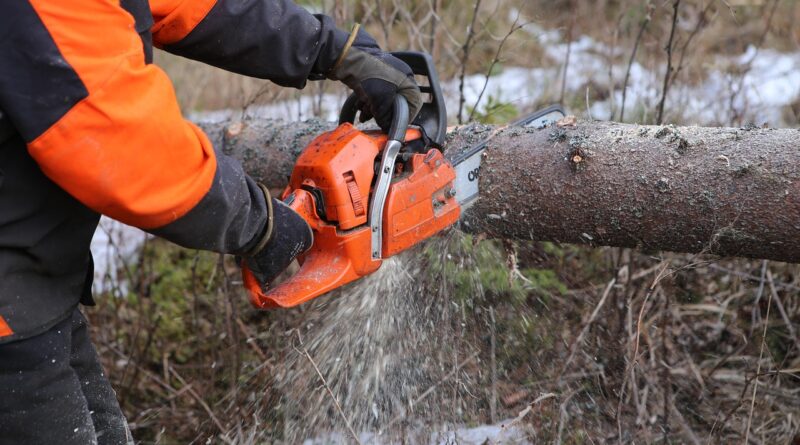
Cheap chainsaw brands worth considering for home and light property work
How to think about cheap chainsaw brands before comparing names
When comparing cheap chainsaw brands, the lowest shelf price is rarely the best starting point. A better question is whether the saw provides enough cutting capacity, safety equipment, battery or fuel support, and replacement parts for the work it will actually do. For most homeowners, affordable options usually fall into three broad groups: corded and battery yard-tool brands such as Ryobi, Greenworks, Worx, Craftsman, and Oregon; higher-cost battery platforms such as Ego, DeWalt, and Milwaukee that may be economical if compatible batteries are already on hand; and entry-level gas saws from chainsaw-focused brands such as Echo and Husqvarna for heavier or more remote cutting.
This is a practical value guide, not a universal ranking. Editorial testing from publications such as Consumer Reports, Popular Mechanics, TechGearLab, and Pro Tool Reviews shows that chainsaw performance varies by power source, bar length, battery system, safety design, and intended use. For additional tool-maker context, you can also browse the Taodili Brands section.
What cheap really means in a chainsaw
A low purchase price is only one part of chainsaw cost. A saw that requires an extra battery, a proprietary chain, frequent adjustment, or early replacement can cost more over several seasons than a slightly more expensive model from a better-supported brand. Before comparing labels, define the job first.
- Occasional pruning and yard cleanup: A compact battery saw, mini chainsaw, or corded electric model may be enough.
- Storm cleanup and small logs: A 14-inch to 16-inch battery or gas saw is usually more practical than a tiny pruning saw.
- Regular firewood or larger hardwood: A budget saw may still work, but cutting speed, cooling, chain quality, and service support matter much more.
- Remote property work: Battery runtime and charging access become limiting factors, so gas power or multiple batteries may be necessary.
In this category, cheap should mean appropriate and repairable, not simply the lowest price on the page. Current buying guides from major tool reviewers continue to separate chainsaws into gas, battery, and corded categories because the right value choice depends heavily on use case.
Affordable chainsaw brand shortlist by use case
No single brand is the right budget answer for every buyer. The table below summarizes brand categories that commonly appear in affordable homeowner discussions and current chainsaw buying coverage. Availability, model quality, and kit pricing vary, so the brand name should be treated as a starting point rather than a guarantee.
| Brand or brand group | Best fit | Value strength | What to check before buying |
|---|---|---|---|
| Ryobi | Homeowners already using Ryobi batteries or needing common retail availability | Broad tool platform and many light-duty yard tools | Voltage, included battery size, bar length, and whether the saw is intended for pruning or heavier cleanup |
| Greenworks | Battery yard-tool buyers who want electric cutting without gas maintenance | Multiple voltage platforms and frequent homeowner-focused options | Battery compatibility, because different voltage lines are not interchangeable |
| Worx | Light pruning, small limbs, compact storage, and corded or compact battery use | Often approachable for casual users and small yards | Do not expect a compact saw to perform like a full-size firewood saw |
| Oregon | Users considering corded electric saws or who value bar and chain know-how | Strong association with chains, bars, and homeowner electric saws | Cord access, outdoor-rated extension cord requirements, and parts availability for the specific model |
| Craftsman | General homeowners who want familiar retail support and a broader tool ecosystem | Accessible platform approach for light and moderate property work | Exact battery system, warranty terms, and performance reviews for the individual saw |
| Ego, DeWalt, Milwaukee | Buyers already invested in a battery system | Higher upfront cost can make sense when batteries and chargers are already owned | Tool-only pricing may look attractive, but complete kits can be much more expensive |
| Echo and Husqvarna entry gas models | Users who cut more often, work away from outlets, or need longer runtime | Chainsaw-focused brands with broader service and parts traditions | Fuel maintenance, noise, emissions, weight, and whether a gas saw is more tool than the job requires |
Battery, corded, or gas is the real budget decision
Many shoppers start with brand names, but the power type often decides whether a cheap chainsaw is actually a good deal. A corded electric saw can offer strong value for cutting near a house, garage, or workshop because there is no battery pack to age and no gasoline engine to maintain. The limitation is just as important: the cord restricts working distance, and the user must choose a properly rated outdoor extension cord.
Battery saws are now the default low-maintenance choice for many homeowners. Consumer Reports noted in its 2026 battery platform buying guidance that batteries are generally proprietary to brands and usually tied to specific voltage systems. That makes the first battery platform purchase important. A budget saw may be inexpensive as a bare tool, but it is not cheap if the buyer must also purchase a high-capacity battery and charger.
Gas saws remain useful for long runtime, larger wood, and work far from power. Entry-level gas models from established outdoor power brands can be a better value than an underpowered battery kit when the work is frequent and demanding. However, gas adds fuel mixing or fuel selection, carburetor care, spark plugs, storage concerns, noise, and exhaust. For a homeowner who cuts twice a year, those ownership costs can outweigh the lower sticker price of a small gas saw.
Safety features matter more when the price is low
A chainsaw is not a tool where the cheapest acceptable option should be stripped of basic safety features. U.S. Consumer Product Safety Commission materials have long emphasized kickback risk and the role of voluntary chainsaw safety standards. OSHA chainsaw safety guidance also identifies the chain brake as a protective device that helps reduce kickback danger. These points are especially relevant when comparing discount models that may look similar in online listings.
Before buying any low-cost saw, check for these features and support items:
- Chain brake: Prefer a clear front hand guard and brake mechanism; inertia activation is a plus on many saws.
- Low-kickback chain and guide bar: These are common on homeowner saws and should be part of the safety checklist.
- Chain catcher: This helps reduce risk if the chain derails or breaks.
- Automatic oiler: Poor lubrication shortens bar and chain life and can make a cheap saw expensive to own.
- Reliable chain tensioning: Tool-free systems are convenient, but the important point is that the chain stays properly adjusted.
- Replacement chain and bar availability: A saw is poor value if basic wear parts are hard to find.
- Clear manual and warranty support: Vague instructions and weak parts support are warning signs on very low-priced models.
Personal protective equipment is also part of the real budget. Chaps or chainsaw pants, eye protection, hearing protection, gloves, boots, and a helmet or face shield may cost more than buyers expect, but they are not optional extras for serious cutting.
Where cheap chainsaws usually disappoint
Low-cost chainsaws tend to miss expectations in predictable ways. The first is runtime. Small batteries can be fine for pruning but frustrating for storm cleanup. A buyer who chooses the lowest kit price may find that a larger battery is needed to finish the job.
The second issue is cutting speed. A long bar on a weak saw can look impressive in photos but perform poorly in hardwood. In practice, a balanced 12-inch or 14-inch saw may feel better than a bargain 18-inch saw that bogs down, overheats, or constantly needs adjustment. See also: Tool Categories.
The third issue is parts support. Chains, bars, sprockets, oil caps, tensioner parts, batteries, and chargers are wear or support items. Established retail and outdoor-power brands usually make these easier to identify than anonymous marketplace brands. That does not mean every off-brand saw is unusable, but it does mean the buyer carries more risk.
The fourth issue is service. If the saw is gas-powered, local service access can be worth paying for. If it is battery-powered, the warranty process and battery replacement cost matter. A cheap chainsaw should be judged over several seasons, not just the first weekend.
A practical decision matrix for budget buyers
Use the job, not the brand logo, as the first filter.
- Small branches and occasional pruning: Consider Worx, Ryobi, Greenworks, or another compact electric option. Keep the bar short, prioritize light weight, and avoid paying for power you will not use.
- Yard cleanup near an outlet: A corded Oregon-style homeowner saw can be one of the strongest values, provided the work area is close enough to safe power access.
- General suburban property work: Ryobi, Greenworks, Craftsman, and similar battery platforms make sense when the same batteries can power a blower, trimmer, mower, or hedge trimmer.
- Battery platform owners: Ego, DeWalt, or Milwaukee may not be the cheapest brands at checkout, but they can be economical if you already own suitable high-capacity batteries.
- Frequent cutting or rural work: Entry gas saws from Echo or Husqvarna may be worth considering because parts, dealer knowledge, and long runtime can matter more than the lowest kit price.
The practical conclusion is that cheap chainsaw brands are worth considering when the saw is matched to the job and comes from a line with known batteries, clear safety features, and accessible wear parts. If the brand cannot provide a manual, replacement chain specification, warranty details, and basic support information, the lower price deserves skepticism.
Frequently asked questions
Are cheap chainsaw brands safe?
Some affordable chainsaws include the key safety features a homeowner should expect, while some very low-priced models may be harder to verify. Look for a chain brake, low-kickback chain, clear guard design, chain catcher, and a readable manual. Safety also depends on training, maintenance, and protective equipment.
Is a battery chainsaw cheaper than a gas chainsaw?
It depends on what you already own. If you already have compatible high-capacity batteries and a charger, a battery saw can be economical. If you must buy a complete kit, the upfront cost may be higher than expected. Gas can be cheaper for power and runtime, but fuel, maintenance, storage, and service costs should be included.
Which cheap chainsaw brand is best for beginners?
For many beginners, a light battery or corded saw from a widely supported homeowner brand is easier to manage than a gas saw. The better beginner choice is usually the model with suitable size, lower weight, clear safety features, and simple parts availability, not necessarily the cheapest brand.
Should I buy an off-brand chainsaw from an online marketplace?
Be cautious. An off-brand saw may be acceptable for very light work, but only if the listing clearly identifies the chain size, bar size, battery system, warranty, safety features, and replacement parts. If those details are missing, a known budget brand is usually a safer value.
Is a 16-inch chainsaw enough for home use?
A 16-inch saw is enough for many homeowner tasks, including trimming limbs and cutting moderate logs, but it is not automatically better than a smaller saw. For pruning and light cleanup, a shorter bar can be lighter and easier to control. For regular firewood or larger trees, power, chain speed, and service support become more important than bar length alone.