
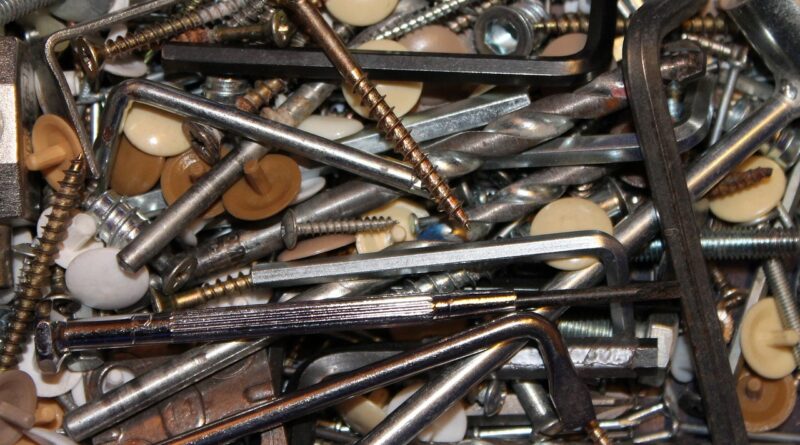
Drill bit reviews for wood, metal, masonry, and tile
How to use drill bit reviews without overbuying
Useful drill bit reviews do not try to name one universal winner. They show how a bit design matches the material, drill type, hole size, and working conditions. For common home and jobsite tasks, a balanced kit with quality HSS twist bits, several wood bits, carbide-tipped masonry bits, and a few specialty bits is often more useful than a large case filled with duplicate sizes. For stainless steel and tougher metals, cobalt HSS deserves closer attention. For concrete and masonry, dust control and bit wear can matter as much as drilling speed.
This review guide explains what to compare before buying drill bits for wood, metal, masonry, tile, and mixed repair work. For more tool comparison articles, visit our Reviews section.
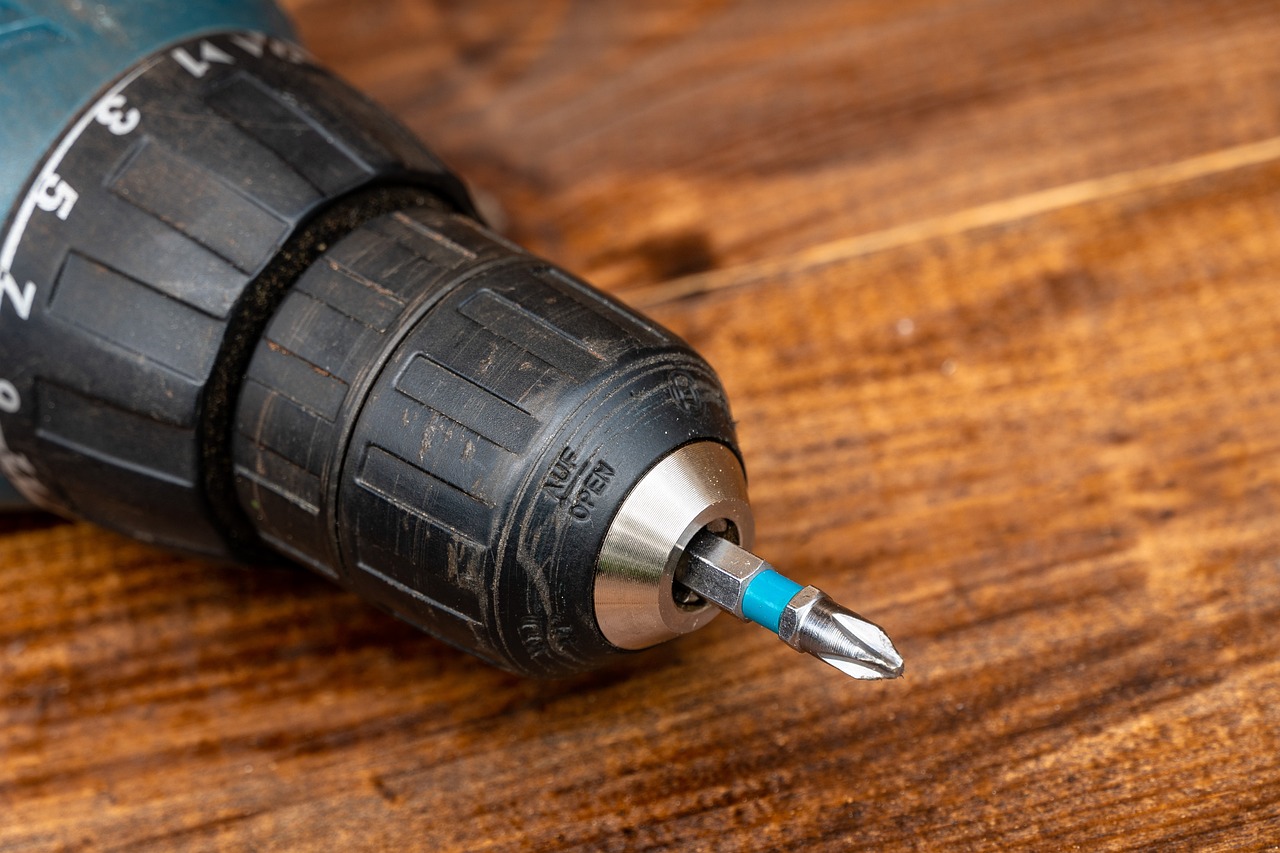
What separates a useful drill bit review from a shopping list
A strong drill bit review should do more than repeat package claims. It should identify the material being drilled, the drill or driver used, the hole diameter, the number of holes made, and the type of failure observed. A bit that makes five clean holes in pine says little about its performance in stainless steel, porcelain tile, or reinforced concrete.
First, check whether the review is evaluating a bit type or a specific set. Bit type matters because twist, brad-point, spade, Forstner, step, masonry, SDS-plus, glass, and hole saw designs are built for different jobs. A large mixed set may look like better value, but it can include many sizes you rarely use while missing the sizes needed for anchors, bolts, conduit, cabinet hardware, or repair work.
Next, separate cutting performance from convenience. A good storage case, clear size markings, and common fractional sizes are useful, but they do not prove that the cutting edges stay sharp under heat or that the bit runs straight. For metal and masonry work, reviews should pay particular attention to heat buildup, walking at the start of the hole, chip or dust evacuation, and visible wear at the cutting edge.
A review should also state its limits. Unless a publication has completed controlled testing, it should avoid ranking every bit as if the results apply to all materials. Drill bits are consumables. Their value depends on how long they remain sharp in the material you drill most often.
Compare drill bits by material first
The fastest way to avoid a poor purchase is to sort reviews by work material. Wood, metal, masonry, and tile place different demands on the cutting edge, point geometry, and shank.
Wood and plastic
For general wood drilling, standard twist bits can work, but brad-point bits usually start cleaner because the center point locates the hole before the outer spurs cut the rim. Spade bits are inexpensive and fast for rough holes in framing lumber. Forstner bits are better suited to flat-bottom holes, overlapping holes, and cleaner work in cabinetry or furniture projects. Auger bits are useful for deep holes in wood, especially where chip removal is important.
Reviews of wood bits should mention tear-out at the exit side, how cleanly the bit starts without wandering, and whether it overheats or binds in thicker stock. For plastic, sharp cutting edges and controlled speed matter because heat can melt the material around the hole.
Metal
For mild steel, aluminum, and general repair work, high-speed steel twist bits are the baseline. Cobalt HSS bits are usually the more relevant upgrade for stainless steel, hardened fasteners, and tougher alloys because cobalt is part of the steel alloy rather than only a surface coating. Trade sources commonly distinguish M35 cobalt, typically associated with 5 percent cobalt, from M42 cobalt, typically associated with 8 percent cobalt. Higher cobalt content can improve hot hardness, but harder bits can also be less forgiving if the drill is misaligned or the workpiece is not secured.
Metal drill bit reviews should describe drilling speed, lubricant or cutting fluid, pressure, pilot hole practice, and whether the bit continued to cut chips instead of rubbing. If a bit spins without cutting, heat rises quickly and the workpiece can become harder to drill, especially with stainless steel.
Masonry and concrete
Masonry and concrete drilling depends heavily on tip design and tool compatibility. Carbide-tipped masonry bits can work for occasional brick, block, and light concrete holes with a hammer drill. SDS-plus and SDS-max bits are designed for rotary hammers and heavier concrete work. Standard smooth-shank masonry bits should not be judged against SDS bits unless the review clearly explains the tool used.
For concrete, bit wear is not only a convenience issue. Research indexed by NIOSH and CPWR on hammer drilling found that worn carbide-tipped concrete bits increased drilling time and vibration exposure in controlled testing. In one laboratory study using an electric hammer drill and concrete bit, a very worn bit increased drilling time by 58 percent compared with a new bit. That makes wear documentation a real review criterion, not a minor afterthought.
Tile and glass
Tile and glass require patience and the right cutting geometry. Spear-point glass bits, carbide tile bits, and diamond hole saws all appear in reviews, but they are not interchangeable. Porcelain tile is typically harder to drill than many ceramic wall tiles, so a review that only tests soft ceramic should not be treated as proof for porcelain floor tile.
Look for comments about starting control, cooling method, edge chipping, and whether the bit remained useful after more than one hole. A bit that makes one clean hole may still be poor value if it dulls immediately.
Specifications that matter more than package count
Drill bit packaging often emphasizes the number of pieces in the case, but specifications usually reveal more about value. Size range, shank type, length, point geometry, material, and coating all affect how the bit behaves.
| Specification | Why it matters in reviews | What to check |
|---|---|---|
| Bit material | Determines heat resistance, toughness, and sharpening potential | HSS, cobalt HSS, carbide tipped, solid carbide, diamond |
| Point design | Affects walking, starting accuracy, and cutting pressure | Split point, brad point, masonry carbide tip, spear point |
| Shank | Controls tool compatibility and grip | Round, hex, reduced shank, SDS-plus, SDS-max |
| Length | Affects reach, rigidity, and chip removal | Stub, jobber, aircraft length, auger, installer bit |
| Coating | May reduce friction or improve surface hardness, but can wear away | Black oxide, titanium nitride, other surface coatings |
Standards can also help serious buyers understand dimensions and terminology. ISO 235:2016 specifies dimensions for parallel shank stub drills, parallel shank jobber drills, and Morse taper shank drills, and ISO lists the standard as confirmed in 2022. ASME B94.11M covers nomenclature, definitions, sizes, and tolerances for high-speed steel straight and taper shank twist drills. These standards do not tell you which retail set to buy, but they explain why consistent sizing and drill length terminology matter. See also: Tool Categories.
Coatings need careful interpretation. A coated bit may perform well when new, but the coating is only on the surface. Cobalt HSS is different because the cobalt is alloyed into the bit material. That does not make every cobalt bit suitable for every user, but it is an important distinction when reviews compare titanium-colored bits with cobalt metal-drilling bits.
Performance clues reviewers should document
The most useful drill bit reviews describe what happened during the cut. If a review only says a bit was “sharp” or “durable,” the reader has little to compare. Better review notes include entry behavior, chip shape, heat, noise, vibration, hole finish, and edge condition after repeated use.
- Walking at the start: Split-point metal bits and brad-point wood bits should reduce wandering when used properly.
- Chip or dust evacuation: Long continuous metal chips, packed wood chips, or dust clogging can indicate whether the flute design is appropriate.
- Heat behavior: Excessive heat suggests too much speed, too little feed, poor lubrication, a dull edge, or the wrong bit type.
- Hole quality: Reviews should mention roundness, burrs, splintering, tile chipping, or oversized holes.
- Post-test edge condition: A close look at the cutting edge after repeated holes often tells more than the first hole does.
A simple review matrix can be more valuable than a dramatic ranking. A metal bit test should treat mild steel, aluminum, and stainless steel as separate tasks. A masonry bit test should separate brick, block, and poured concrete. A tile review should identify ceramic, porcelain, or glass. Without those details, the review may be useful as a first impression but not as a buying guide.
Safety and maintenance points that belong in every review
Drill bits are small, but drilling can create flying chips, dust, kickback, vibration, and broken cutting edges. OSHA’s general hand and power tool guidance notes that power tools can cause severe injuries when used or maintained improperly. Reviews aimed at jobsite users should therefore treat safety as part of performance, especially for masonry and concrete drilling.
For concrete, masonry, brick, stone, mortar, and similar materials, respirable crystalline silica is the major concern. OSHA guidance for handheld and stand-mounted drills describes vacuum dust collection systems that use a shroud or cowling around the bit, a vacuum with manufacturer-rated airflow, a filter with 99 percent or greater efficiency, and a filter-cleaning mechanism. OSHA’s construction silica standard uses a permissible exposure limit of 50 micrograms per cubic meter of air as an 8-hour time-weighted average. Those requirements are workplace-focused, but they also underline why visible dust should not be ignored in any serious masonry drill bit review.
Maintenance changes review results. A dull wood bit tears fibers, a dull metal bit rubs instead of cutting, and a worn concrete bit drills slower while increasing user fatigue. Bits should be stored dry, cleaned after use, and replaced or sharpened when cutting edges chip, round over, discolor from heat, or require noticeably more pressure. For rotary hammer bits, visible carbide damage, slow penetration, and rising vibration are practical signs that replacement is overdue.
A practical buying framework after reading reviews
Instead of buying the largest set first, match your first purchase to the materials you drill most often. Then add specialty bits in the exact sizes you use most.
| User need | Practical starting point | What to avoid |
|---|---|---|
| General household repair | Small mixed kit with HSS twist bits, wood bits, and masonry bits | Oversized low-cost kits with many rarely used duplicates |
| Frequent metal work | Quality HSS set plus cobalt HSS in common bolt and pilot sizes | Relying on coating color alone as proof of metal performance |
| Woodworking | Brad-point set, countersink bits, and selected Forstner sizes | Using rough spade bits where clean entry and exit matter |
| Concrete anchors | Carbide-tipped or SDS bits matched to the drill and anchor size | Continuing to use visibly worn bits that slow the job |
| Tile installation | Tile or diamond bits matched to ceramic, porcelain, or glass | Assuming a standard masonry bit will drill every tile cleanly |
There is also a case for buying individual replacements instead of another full set. The most-used sizes wear first: common pilot holes, anchor sizes, cabinet hardware sizes, and tap-drill sizes. A review that mentions replacement availability, readable size markings, and case organization can be more useful over time than one focused only on the initial purchase price.
The final rule is straightforward: judge drill bit reviews by the material, method, and evidence they provide. A credible review should help you predict how a bit will behave in your work, not just tell you that a set looks impressive in the case.
Frequently asked questions
Can one drill bit set handle wood, metal, masonry, and tile?
A mixed set can cover light household work, but no single bit design handles all four materials well. Wood benefits from brad-point, spade, auger, or Forstner designs. Metal usually calls for HSS or cobalt HSS twist bits. Masonry needs carbide-tipped or SDS-compatible bits. Tile and glass often need specialty carbide or diamond bits.
Are titanium-coated bits better than cobalt bits?
They solve different problems. Titanium-colored coatings are surface treatments that may reduce friction or improve wear when new. Cobalt HSS bits contain cobalt in the steel alloy, so the material advantage remains as the cutting edge is sharpened or wears back. For stainless steel and harder metals, reviews should compare cobalt bits separately from coated general-purpose HSS bits.
How can I tell when a drill bit is worn out?
Common signs include slow cutting, higher heat, squealing, excessive pressure, walking, chipped edges, rounded carbide tips, poor hole finish, and discoloration near the cutting edge. In masonry drilling, rising vibration and slower penetration are strong clues that the bit is no longer working efficiently.
What matters most in drill bit reviews for stainless steel?
Look for cobalt HSS performance, low-speed drilling technique, firm pressure, cutting fluid, secure workholding, and evidence that the bit cut chips rather than rubbed. Reviews that do not mention speed, lubrication, or workpiece thickness are less useful for stainless steel.