Is the Best Cordless Impact Wrench from Makita Truly Redefining Performance
Makita Makes One Of The Best Cordless Impact Wrenches, According To Car & Driver
Makita’s cordless impact wrenches stand out as some of the best cordless impact wrench options in the professional market. Their combination of engineering precision, advanced motor technology, and ergonomic design has earned recognition from automotive experts such as Car & Driver for reliability and consistent torque performance. For technicians and industrial users, these tools represent a balance between raw power and refined control, offering durability that withstands daily heavy-duty use while maintaining accuracy across fastening operations.
Evaluating Makita’s Cordless Impact Wrench Lineup
Makita’s cordless lineup reflects decades of engineering refinement focused on balancing strength with usability. The brand’s approach integrates mechanical efficiency with modern electronics to produce tools capable of sustained high performance under demanding conditions.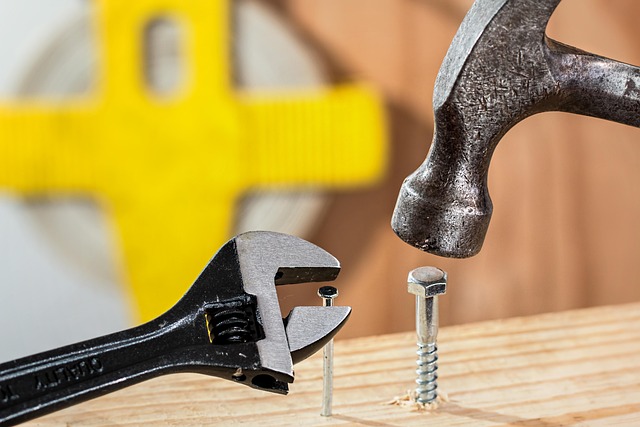
Overview of Makita’s Engineering Philosophy
Makita builds its power tools around three pillars: durability, precision, and efficiency. Its engineers design housings that resist mechanical stress while maintaining compactness for better maneuverability in tight workspaces. The use of brushless motor technology is central to this philosophy, providing consistent torque delivery with reduced heat generation and longer operational life. Ergonomic design plays an equally critical role, ensuring that even prolonged use causes minimal operator fatigue—a detail especially appreciated by professionals working in assembly lines or automotive repair bays.
Key Specifications of Makita’s Flagship Cordless Impact Wrenches
The flagship models in Makita’s range typically operate within torque outputs from 240 ft-lbs for mid-torque units up to 1,400 ft-lbs for high-torque versions. Most run on 18V LXT lithium-ion batteries delivering rotational speeds exceeding 2,000 RPM depending on load conditions. Comparing mid-torque and high-torque models reveals differences in weight distribution and runtime rather than build quality; both share the same electronic control architecture. Battery technology directly influences sustained power delivery—Makita’s dual-port charging system supports rapid recharge cycles without compromising cell longevity.
Performance Metrics That Define Professional Standards
Professional-grade impact wrenches are judged not only by peak torque but also by how consistently they deliver it over time. Makita’s systems are engineered to maintain stability even when subjected to repetitive load cycles or fluctuating resistance levels.
Torque Delivery and Power Consistency
Makita employs a torque management system that continuously adjusts current flow through the brushless motor based on resistance feedback. This allows the tool to maintain consistent output during tightening sequences where bolt friction changes dynamically. In automotive applications like lug nut removal or chassis assembly, such consistency prevents uneven fastening that could compromise safety standards. Compared with competing brands like Milwaukee or DeWalt, Makita tools often show superior torque retention after extended use due to their thermal regulation algorithms and efficient gear train design.
Speed Control and Precision Engineering
Speed control is achieved through multi-speed selectors combined with electronic feedback loops that monitor motor speed in real time. This prevents overtightening or thread stripping when working with delicate fasteners. Trigger sensitivity is finely tuned so operators can modulate speed intuitively—an essential factor when alternating between heavy bolts and lighter components within a single project. The result is repeatable accuracy across multiple cycles without manual recalibration.
Battery Technology and Runtime Efficiency
The backbone of any cordless system lies in its battery platform. Makita’s LXT ecosystem demonstrates how chemistry and electronics converge to sustain high performance across tool categories.
The Role of LXT Lithium-Ion Technology in Performance Enhancement
Makita’s LXT lithium-ion batteries are engineered for high current draw applications typical of impact tools. They feature internal circuitry that balances charge distribution across cells, enabling faster charging times while minimizing heat buildup. On active job sites where downtime affects productivity, this translates into fewer interruptions between tasks. The integrated thermal management structure disperses heat effectively through metal-reinforced casings, preventing voltage drop during extended use—a common issue among lesser-quality packs.
Runtime Optimization Strategies in Cordless Systems
Runtime optimization relies on intelligent communication between battery packs and control electronics within the tool body. Adaptive energy allocation adjusts current flow according to resistance detected at the anvil output shaft, conserving charge when full torque isn’t required. This not only extends runtime but also reduces wear on internal gears by avoiding unnecessary strain during light fastening operations.
Durability and Build Quality Under Professional Conditions
Durability defines whether a cordless wrench can survive industrial environments characterized by dust, vibration, and temperature extremes.
Materials and Construction Techniques Used by Makita
Makita uses reinforced polymer housings reinforced with steel inserts at stress points to resist cracking from accidental drops or impact shocks. Internal components receive anti-corrosion coatings that protect against moisture exposure commonly found in outdoor construction or marine maintenance work. Rubberized seals prevent dust ingress into sensitive electronic modules—a detail that significantly extends service intervals under harsh conditions.
Longevity Testing Standards Applied to Makita Tools
Each model undergoes endurance testing cycles replicating years of industrial operation before market release. These tests assess vibration tolerance, bearing fatigue resistance, and switch reliability under continuous load conditions exceeding standard usage parameters defined by IEC tool testing protocols. Such rigorous validation ensures consistent performance even after thousands of fastening cycles.
Ergonomics, Design, and User Experience Factors
Beyond raw specifications lies the human interface—the way a tool feels during hours of repetitive use determines overall productivity more than any datasheet number can convey.
Balancing Weight Distribution for Operator Comfort
Engineers at Makita carefully position battery mounts relative to motor mass to achieve balanced center-of-gravity alignment. This reduces wrist strain during overhead work or awkward angles often encountered in vehicle maintenance tasks. Grip contours are molded using thermoplastic elastomers providing both slip resistance and tactile comfort even when hands are gloved or oily.
Noise, Vibration, and Operational Smoothness Considerations
Noise reduction mechanisms include optimized hammer mechanisms that dampen metallic resonance during impact cycles. Combined with vibration isolation mounts between motor housing and handle frame, these features contribute to smoother operation at high torque levels—important not just for comfort but also for long-term joint health among frequent users.
Comparative Insights: Where Makita Stands Among Competitors
In a crowded field dominated by major brands like DeWalt, Milwaukee, and Bosch, Makita distinguishes itself through balanced engineering rather than headline-grabbing specifications alone.
Analysis Against Other Leading Brands in the Segment
When comparing torque-to-weight ratios across equivalent classes, Makita generally achieves slightly lower overall mass without sacrificing output power thanks to its efficient brushless architecture. Runtime efficiency remains competitive due to advanced battery cooling designs absent in many rival systems. Feature integration—such as automatic stop modes—further enhances control compared with basic trigger-only systems found elsewhere.
Market Perception Based on Expert Reviews and Industry Feedback
Automotive publications including Car & Driver have recognized Makita as one of the most reliable manufacturers producing some of the best cordless impact wrench models available today for both shop mechanics and field technicians alike. Professional sentiment highlights favorable cost-to-performance balance; while initial investment may be higher than entry-level alternatives, long-term operational savings through reduced maintenance offset upfront costs substantially.
Technological Innovations Driving Future Development
Makita continues investing heavily in digital integration and predictive analytics aimed at extending tool life cycles while improving user insight into performance metrics.
Integration of Smart Tool Connectivity Features
Emerging prototypes explore Bluetooth-enabled modules capable of transmitting diagnostic data such as cycle counts or temperature history directly to mobile devices or fleet management platforms. Such connectivity could enable predictive maintenance scheduling where service intervals are based on actual usage patterns rather than arbitrary timelines—a shift aligning with broader trends across industrial IoT ecosystems monitored by IEEE standards groups.
Advancements in Motor Control Algorithms
Future iterations may incorporate adaptive torque algorithms using sensor feedback loops similar to those employed in servo-controlled robotics systems governed by ISO precision standards. These algorithms dynamically adjust drive current according to material resistance changes during fastening operations while simultaneously predicting component wear before failure occurs—an innovation likely to redefine expectations for durability within cordless power tools over the next decade.
FAQ
Q1: What makes Makita’s cordless impact wrenches stand out among competitors?
A: Their combination of durable construction, precise torque management systems, and advanced LXT battery technology provides unmatched consistency under heavy workloads.
Q2: How long does a typical LXT battery last during continuous use?
A: Depending on model type and task intensity, most 18V packs deliver between 30 minutes to over an hour of active runtime per charge cycle before requiring replacement or recharge.
Q3: Are brushless motors significantly better than brushed ones?
A: Yes; brushless motors generate less heat, extend component lifespan, and maintain steady torque without mechanical friction losses common in brushed designs.
Q4: Do these wrenches require special maintenance routines?
A: Regular cleaning around ventilation ports combined with periodic inspection for loose fasteners is usually sufficient; no lubrication is needed due to sealed internal gearing systems.
Q5: Which industries benefit most from using Makita’s high-torque models?
A: Automotive repair facilities, structural steel fabrication shops, heavy equipment maintenance teams, and energy sector contractors all gain measurable productivity improvements from their robust output capabilities.