
How To Use A Pressure Cleaner Safely When Avoiding 9 Risky Surfaces
9 Things You Should Absolutely Never Pressure Wash
Pressure cleaners are powerful tools that make outdoor cleaning faster and more efficient. Yet, many surfaces cannot withstand their force. Misuse can lead to costly damage or safety hazards. Experts agree that certain materials, fixtures, and finishes should never be pressure washed. This guide explains how a pressure cleaner works, why some surfaces are too delicate, and what safer alternatives exist for each case.
Pressure Cleaner Safety Principles
Before deciding what not to wash, it’s important to know how a pressure cleaner functions and the risks of incorrect operation. The device’s mechanics define its cleaning power but also its potential for harm when misapplied.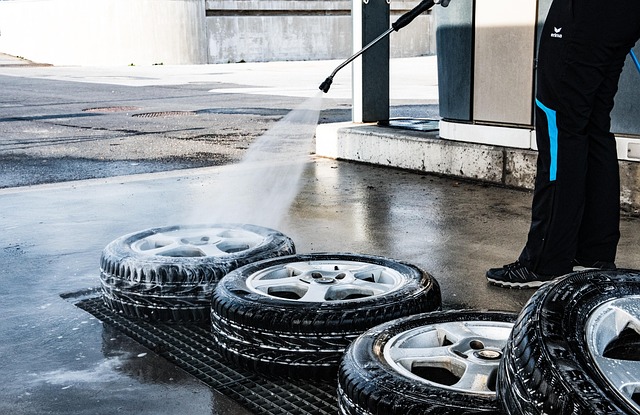
The Mechanics of a Pressure Cleaner
A pressure cleaner operates by forcing water through a narrow nozzle at high velocity. Cleaning effectiveness depends on two variables: water pressure (PSI) and flow rate (GPM). Higher PSI increases impact energy, breaking down grime quickly but also raising the risk of surface damage. Flow rate affects how much debris is carried away per minute. For example, cleaning concrete may require 3000 PSI, while wood needs less than half that. Nozzle selection matters too; a 0° tip delivers pinpoint force suitable only for metal or stone, whereas a 40° fan spreads water gently across paint or siding.
Common Hazards Associated With Improper Use
The hazards of misuse go beyond chipped paint. High-pressure jets can erode mortar joints, cut skin, or drive water deep into porous materials where mold later forms. On older buildings, this intrusion can rot timber frames or loosen structural components. Outdoor cleaning often involves electrical exposure as well; spraying near outlets or lighting fixtures risks short circuits or shocks. Environmental concerns also arise when detergents mix with runoff entering storm drains.
Preparing for Safe Pressure Cleaning
Preparation is the stage where most accidents can be prevented. Evaluating the environment and selecting proper equipment ensures control over both cleaning performance and safety outcomes.
Assessing the Cleaning Environment
Every surface reacts differently under pressure. Before starting, inspect for cracks, loose paint, or weak joints that could worsen under force. Materials like stucco or aged brick absorb moisture easily; these should only be cleaned using low-pressure methods. Also check surroundings—plants, vents, electrical boxes—since overspray can reach farther than expected.
Selecting the Right Equipment and Settings
Choosing correct settings is essential when learning how to use a pressure cleaner effectively yet safely. Soft materials such as wood or vinyl siding perform best around 1200–1500 PSI; masonry may tolerate up to 2500 PSI if structurally sound. Nozzle angles matter: 15° cuts through heavy grime on stone patios; 25° suits general washing; 40° cleans vehicles or painted walls without stripping coatings. Detergents designed specifically for pressure washers reduce the need for extreme mechanical force.
Surfaces That Should Never Be Pressure Washed
Even with perfect technique, some materials simply cannot handle pressurized water safely. They either degrade physically or allow hidden moisture penetration leading to long-term damage.
Delicate Building Materials
Older structures and porous masonry are particularly vulnerable because their binding materials weaken over time.
Brick Mortar and Old Masonry
High-pressure streams can erode mortar joints within seconds, leaving bricks unstable and accelerating wall deterioration. Once water seeps behind the surface, trapped moisture encourages efflorescence and mold growth inside cavities that are difficult to dry out later.
Painted Surfaces on Older Structures
Many pre-1978 buildings still contain lead-based paint layers beneath newer coats. Pressure washing these surfaces not only strips protective finishes but may release hazardous particles into the air and soil. Low-pressure rinsing combined with soft brushes is safer for both preservation and health compliance.
Household Features Vulnerable to Damage
Modern homes include several elements designed for aesthetics rather than impact resistance; these should always be cleaned manually.
Windows and Glass Panels
Concentrated water jets can crack glass panes or compromise seals around frames, allowing leaks during rainstorms. Once seals fail, condensation forms between panes and insulation efficiency drops sharply.
Electrical Fixtures and Outlets
Spraying directly onto outdoor sockets or light fittings invites serious danger. Pressurized water can enter enclosures even if they appear sealed, causing corrosion or electrical shorts afterward. Power sources must always be disconnected before nearby cleaning begins.
Air Conditioning Units and Heat Pumps
These systems rely on thin aluminum fins for airflow efficiency. A direct jet bends them easily, restricting ventilation and increasing energy consumption by up to 20%. Instead of blasting them clean, use gentle rinsing from several feet away with low-pressure settings.
Outdoor Elements Prone to Erosion or Contamination Spread
External surfaces often seem durable but can degrade quickly under repeated high-pressure exposure.
Roof Shingles and Tiles
Forceful jets lift asphalt shingles or dislodge ceramic tiles entirely from roofs, removing protective granules that prevent UV decay. Soft washing—a process combining biodegradable detergents with mild flow—is the preferred alternative endorsed by roofing associations worldwide.
Vehicles With Sensitive Paintwork or Trim
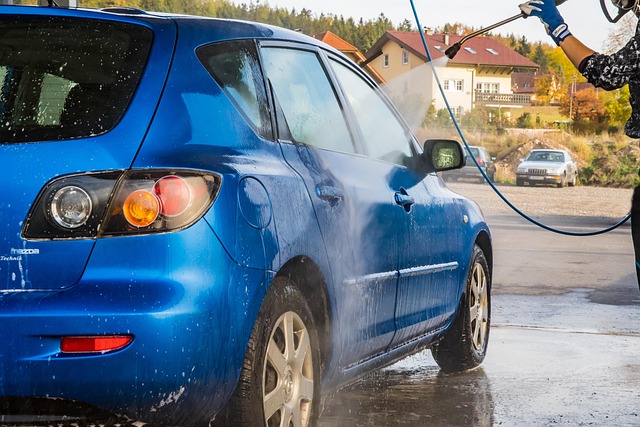
Automotive clear coats are thin layers easily stripped by concentrated spray at close range. Rubber seals around doors may detach as well. Professional detailers recommend hand washing using microfiber cloths instead of relying on household pressure cleaners.
Wooden Decks and Fencing
Timber fibers swell when saturated then splinter as they dry unevenly after high-pressure exposure. If machine cleaning is unavoidable, maintain moderate PSI below 1500 with a wide-angle nozzle held at least one foot away from the surface to preserve texture consistency.
Asphalt Driveways and Pavement Seals
Though tough-looking, asphalt softens under heat and loses binder cohesion when hit by intense jets. This results in pitting or stripped sealant layers exposing aggregate below. A pre-soak using detergent followed by gentle rinsing achieves similar cleanliness without degrading structure integrity.
Best Practices for Safe Operation During Cleaning Tasks
Safe operation depends not only on knowing what not to wash but also on maintaining control throughout each task—from positioning to post-clean maintenance routines.
Maintaining Proper Distance and Angle Control
Holding the wand too close concentrates energy exponentially; keeping six to twelve inches away balances effectiveness with safety across most surfaces. Adjusting spray angles between 25°–40° helps distribute pressure evenly while minimizing gouging risk on softer materials like siding or decking boards.
Implementing Safety Gear and Procedures
Operators should wear goggles to block flying debris, gloves for grip stability, non-slip boots on wet ground, plus hearing protection since engine noise often exceeds safe decibel levels set by occupational standards such as ISO 1999:2013 Acoustic Exposure Guidelines. Never point the wand toward people or pets—even low settings cause injury due to hydraulic puncture potential documented in industrial safety studies by IEEE publications.
Post-Cleaning Inspection and Maintenance Steps
After drying fully, inspect cleaned areas for early signs of etching or discoloration indicating excessive force used earlier. Flush detergent residues from hoses before storage since buildup clogs nozzles over time. Equipment longevity improves significantly when stored indoors away from sunlight exposure which degrades rubber seals gradually according to IEC material aging standards.
Alternative Cleaning Techniques for Sensitive Surfaces
When power washing poses risk, several alternative techniques achieve cleanliness without structural compromise—particularly valuable in heritage restoration projects or residential maintenance where surface preservation takes priority.
Low-Pressure Washing Systems
Soft wash systems operate below 500 PSI while combining surfactants that dissolve organic stains efficiently without abrasion risk. They’re ideal for roofs covered in algae films or painted facades requiring gentle care yet thorough sanitation results comparable to traditional methods when applied professionally.
Manual Cleaning Methods
For small zones like window frames or decorative moldings, manual scrubbing remains irreplaceable despite being slower. Using microfiber cloths retains finish shine while minimizing scratching common with stiff bristles under mechanical stress conditions observed in field maintenance tests across commercial facilities.
Eco-Friendly Detergent Solutions
Biodegradable surfactants derived from plant oils reduce dependence on brute water force while maintaining strong degreasing action suitable for patios or vehicles alike. Their environmental footprint aligns with sustainability standards promoted by IEA Clean Energy guidelines encouraging reduced chemical runoff during outdoor maintenance operations globally.
FAQ
Q1: Can high-pressure cleaners remove oil stains from driveways?
A: Yes—but only if combined with degreasing detergent first; otherwise oil penetrates pores faster than plain water can dislodge it even at maximum PSI levels.
Q2: Is it safe to use a pressure washer on vinyl siding?
A: Only at moderate settings below 1500 PSI using a wide-angle nozzle; direct hits at seams may still cause warping over time due to trapped moisture expansion cycles.
Q3: Why does my wooden deck look fuzzy after washing?
A: Excessive PSI lifts wood fibers instead of cleaning them smoothly; sanding lightly after drying restores texture uniformity before resealing finishes again.
Q4: Can I clean roof gutters using a pressure washer?
A: It’s risky since recoil force might bend thin aluminum channels; handheld hose attachments provide safer results without structural strain risks reported in maintenance audits by construction safety boards.
Q5: What’s the best way to store a pressure washer after use?
A: Drain remaining water completely then keep it indoors sheltered from sunlight; UV radiation hardens hoses prematurely shortening service life substantially within one season if left exposed outdoors continuously.