
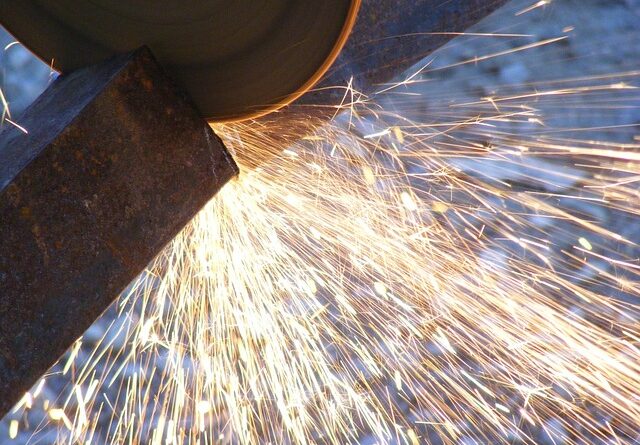
Can A Portable Angle Grinder Match Industrial Models For Metal Precision
Best Angle Grinders For Metal, Concrete, Wood, and More
Angle grinders have evolved into precision tools that bridge the gap between portability and industrial strength. The best models for metal, concrete, and wood cutting combine high torque, stable RPMs, and ergonomic design. Portable angle grinders now rival industrial units in performance thanks to brushless motors and smart electronics. Selecting the right grinder depends on workload intensity, material type, and operational environment.
Evaluating the Capabilities of Portable Angle Grinders
Portable angle grinders are compact yet powerful tools designed for both workshop and field applications. Their engineering focuses on balancing torque delivery with manageable weight to maintain precision across various materials.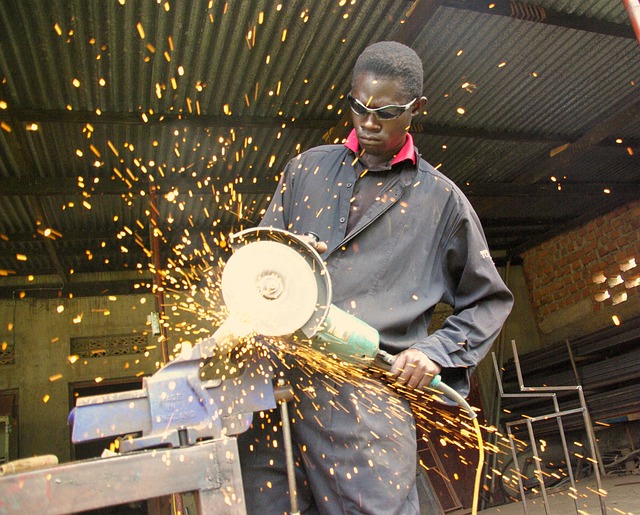
Understanding the Engineering Behind Portable Angle Grinders
Motor design defines a portable angle grinder’s efficiency. Compact units typically use high-speed motors rated between 500 to 1500 watts, producing rotational speeds from 8,000 to 12,000 RPM. Torque output determines how effectively the tool cuts or grinds dense metals or concrete edges. Disc diameter—commonly 100 mm to 125 mm—directly influences control and precision during fine detailing or edge smoothing tasks. Material composition of the housing and internal bearings affects vibration control; magnesium alloy casings are often chosen for their strength-to-weight ratio.
Comparing Portability Versus Power in Grinder Design
Designers face a trade-off between lightweight construction and sustained torque delivery. A smaller body reduces fatigue but may limit power under continuous load. Cordless grinders rely on lithium-ion battery systems that deliver consistent voltage output; however, runtime can drop under heavy grinding cycles. Corded systems provide uninterrupted current flow ideal for workshop settings where precision consistency matters most. Ergonomics—such as handle alignment and trigger sensitivity—directly influence maneuverability during extended sessions.
Industrial Angle Grinders: Built for Heavy-Duty Precision
Industrial grinders stand apart due to their capacity for prolonged operation without loss of accuracy or overheating. They are engineered for fabrication lines where downtime translates into production loss.
Key Performance Characteristics of Industrial Models
Industrial angle grinders feature motors exceeding 2000 watts with reinforced copper windings to sustain torque under heavy loads. Advanced cooling systems circulate air through multi-channel ducts to maintain thermal stability during long grinding cycles. Electronic speed control modules stabilize RPM regardless of pressure variation, ensuring uniform surface finish quality—a key metric in ISO-certified metal fabrication.
Durability and Maintenance Factors in Industrial Equipment
Durability is achieved through reinforced gear housings made from hardened steel alloys capable of resisting mechanical stress over thousands of hours of operation. Lubrication systems reduce friction within gear assemblies, extending component life beyond standard maintenance intervals. Compatibility with industrial-grade discs allows these machines to perform specialized operations such as beveling or weld preparation across stainless steel or cast iron surfaces.
Measuring Metal Precision: Parameters That Define Performance
Precision in grinding depends on mechanical stability and operator technique working together under controlled parameters.
Assessing Accuracy in Grinding and Cutting Applications
RPM stability is critical for maintaining uniform removal rates across metal surfaces. Even minor fluctuations can produce uneven finishes or micro-burrs along cut edges. Proper wheel alignment minimizes lateral runout while balanced discs reduce vibration amplitude that could distort fine tolerances. Professional standards often refer to surface roughness benchmarks measured in Ra values to assess finish quality.
Factors Affecting Dimensional Tolerance in Metal Workpieces
Heat buildup during prolonged contact can cause localized expansion leading to dimensional deviation or microstructural alteration in hardened metals. Controlled pressure application prevents over-grinding that rounds sharp edges or alters intended geometry. Grinder rigidity—achieved through solid frame design—supports repeatable accuracy when fabricating components requiring tight tolerances below ±0.05 mm.
Technological Advancements Narrowing the Gap Between Portable and Industrial Models
Recent innovations have transformed portable angle grinders into serious contenders for precision work once reserved for industrial tools.
Innovations Enhancing Portable Grinder Performance
Brushless motor technology increases torque efficiency while reducing wear from carbon friction points, extending tool lifespan significantly. Smart sensors monitor load variations and automatically adjust speed output to maintain consistent performance even under fluctuating resistance levels. Enhanced dust management systems using multi-stage filters protect internal electronics during abrasive metal cutting operations.
Integration of Digital Control Systems in Modern Tools
Digital feedback loops now regulate motor speed within milliseconds when encountering variable loads, preserving RPM stability essential for smooth finishes on stainless steel panels or aluminum frames. Bluetooth connectivity allows real-time diagnostics through mobile apps that display temperature data or maintenance alerts before failure occurs. Software calibration enables users to fine-tune RPM profiles depending on material type—metal, concrete, or wood—optimizing energy use per task cycle.
Practical Considerations When Selecting a Grinder for Precision Metal Work
Choosing the right grinder involves aligning tool specifications with actual job demands while considering cost implications over its service life.
Matching Tool Specifications to Application Requirements
Disc size should correspond with material hardness; smaller discs favor control on thin sheet metal while larger ones excel at removing weld seams quickly. Power range selection must account for both duty cycle duration and available power supply—portable angle grinder models suit remote sites whereas corded types fit stationary benches. Accessory compatibility also matters; flap discs refine finishes while wire brushes clean oxidized surfaces efficiently.
Balancing Cost Efficiency With Long-Term Productivity Gains
Evaluating total cost of ownership includes not just purchase price but also consumable wear rate, energy draw per hour, and maintenance frequency. Portable models may seem economical initially but frequent battery replacements can offset savings over time compared with industrial setups running on stable mains power. Some workshops repurpose older grinders as attachments alongside mini excavator for sale units used in demolition cleanup or onsite polishing tasks—a practical example of maximizing asset value across projects.
Safety, Compliance, and Operational Best Practices in Precision Grinding
Safety remains central when operating high-speed rotary tools capable of reaching tens of thousands of RPMs within seconds.
Ensuring Operator Safety During High-Speed Operations
Operators must wear gloves resistant to abrasion, full-face shields against flying particles, and respiratory protection when grinding coated metals releasing harmful dusts. Balanced discs prevent kickback incidents especially at high rotational speeds exceeding 10,000 RPMs where imbalance forces multiply rapidly. Regular inspection routines covering cable insulation integrity, guard placement accuracy, and spindle nut tightness reduce operational hazards significantly.
Meeting Industry Standards for Precision Fabrication
Compliance with ISO tolerance classifications guarantees repeatable surface finish quality demanded by aerospace or automotive sectors where deviations compromise assembly integrity. Certified workshops document calibration records verifying that each grinder maintains target RPM ranges under load conditions defined by IEC performance standards. Consistency across multiple production runs depends on adherence to these documented procedures rather than operator intuition alone.
FAQ
Q1: What disc size is best for precision metal grinding?
A: Discs between 100 mm and 125 mm offer optimal control while maintaining sufficient cutting depth for most precision metal applications.
Q2: How does brushless motor technology improve portable grinder performance?
A: It eliminates friction from brushes, increasing efficiency by up to 30% while extending operational life due to reduced heat buildup.
Q3: Are cordless grinders reliable for continuous heavy-duty use?
A: They perform well within moderate duty cycles but may require frequent battery swaps under sustained load compared with corded units.
Q4: What maintenance routine extends an industrial grinder’s lifespan?
A: Regular lubrication every 200 operating hours and timely bearing replacement help maintain peak torque transmission efficiency.
Q5: Why is vibration control important during high-precision grinding?
A: Excessive vibration distorts dimensional accuracy by causing micro-movement at contact points between disc and workpiece surface.