How Can an Impact Socket Wrench Redefine Precision in Professional Toolkits
Complete Your Toolbox with These Socket Sets
A professional toolkit is incomplete without a high-quality impact socket wrench. These tools are central to modern mechanical, automotive, and industrial operations where precision torque application defines success. Built for endurance and accuracy, impact sockets transform power from pneumatic or electric drivers into controlled fastening force. The right socket set not only improves workflow efficiency but also supports sustainable energy practices through efficient torque delivery and reduced waste.
The Role of the Impact Socket Wrench in Modern Professional Toolkits
The impact socket wrench has evolved into a critical link between manual craftsmanship and automated precision. Its engineering reflects decades of refinement aimed at achieving both strength and safety under extreme conditions.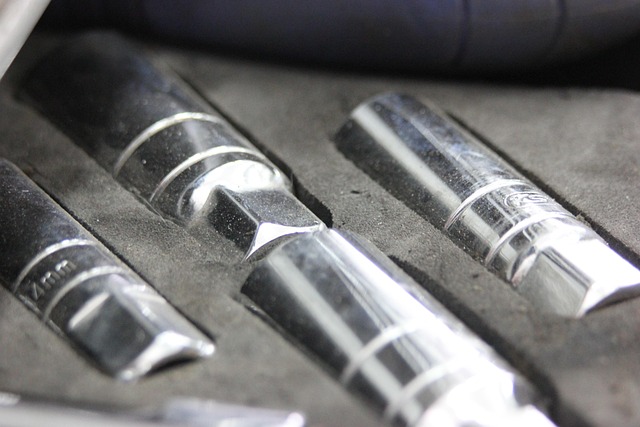
Understanding the Engineering Behind Impact Socket Wrenches
An impact socket wrench is designed to handle high torque levels without deformation. It is typically made from chrome molybdenum or similar alloys, which provide superior toughness compared to standard chrome vanadium sockets. The thicker walls and specialized geometry allow it to absorb vibration and sudden impacts from power tools without cracking. In heavy-duty environments like construction or aerospace maintenance, this reliability translates directly into fewer tool failures and consistent fastening results.
Why Precision Matters in Torque Applications
Precision in torque application ensures that components maintain their structural integrity. Over-tightening can strip threads or distort materials, while under-tightening risks joint failure. For example, in automotive assembly lines, consistent torque prevents wheel studs from loosening during operation. Industrial sectors depend on calibrated torque delivery for both safety compliance and performance consistency, aligning with ISO 6789 standards that define acceptable tolerances for torque tools.
Material Science and Design Innovations in Impact Socket Wrenches
Material innovation drives the continuous improvement of impact sockets. The choice of alloy, heat treatment process, and surface finish all influence how efficiently energy transfers from the driver to the fastener.
Advanced Alloy Composition for Durability
Manufacturers use heat-treated chrome molybdenum steel to enhance tensile strength and fatigue resistance. This material withstands repeated shock loads common in pneumatic systems. Protective coatings such as black oxide or phosphate layers reduce corrosion, especially in humid or chemical-exposed environments. The combination of these treatments extends service life while maintaining dimensional stability over time.
Structural Optimization for Precision Performance
Modern impact sockets feature six-point or twelve-point configurations that improve contact with fasteners by distributing force evenly across the flats rather than corners. Chamfered openings help align sockets quickly under dynamic conditions—an essential feature when speed matters on production lines. Internal design refinements also reduce slippage, giving technicians better control over torque accuracy even at high RPMs.
Integrating Impact Socket Wrenches into Professional Workflows
Integrating an impact socket wrench into a professional setup requires consideration of compatibility with existing power tools and workflow demands.
Compatibility with Pneumatic and Electric Impact Tools
Impact sockets are engineered to endure rapid rotational impacts generated by pneumatic or electric drivers. Their robust construction prevents shattering under repetitive stress cycles. In workshops using cordless electric impact wrenches, these sockets maintain consistent performance across varying voltage levels, ensuring smooth transitions between manual and automated tasks.
Application Across Industrial Sectors
From automotive repair bays to aerospace assembly lines, impact sockets serve as universal fastening instruments. Standardized drive sizes—commonly 1/2-inch or 3/4-inch—allow interoperability across industries. Heavy machinery maintenance teams rely on deep sockets for accessing recessed bolts, while field engineers appreciate modular sets that adapt to unpredictable site conditions.
The Relationship Between Tool Precision and Sustainable Practices
Sustainability now intersects with tool engineering as industries adopt greener operational models supported by green energy suppliers.
Energy Efficiency Through Optimized Torque Delivery
Efficient energy transfer within an impact socket reduces wasted motion during operation. Less friction means lower power consumption per fastening cycle—a small but measurable gain when multiplied across thousands of uses daily. Precise torque also minimizes rework caused by damaged components, cutting material waste and downtime.
Green Energy Suppliers and the Future of Industrial Tools
As manufacturing facilities transition toward renewable electricity sources such as wind or solar power, partnerships between toolmakers and green energy suppliers become more strategic. These collaborations reduce carbon footprints throughout production chains while reinforcing corporate sustainability commitments recognized under IEA guidelines for industrial decarbonization pathways.
Selecting the Right Impact Socket Wrench for Professional Use
Choosing the right socket involves balancing mechanical specifications with operational convenience.
Evaluating Size, Drive Type, and Torque Capacity
Professionals match drive size to application load: smaller drives suit light assembly work; larger drives handle heavy industrial bolting. Torque ratings must align with both tool output and fastener grade to prevent premature wear or thread damage. Modular sets offer flexibility by allowing quick interchangeability among sockets of different depths or geometries.
Maintenance Practices for Long-Term Precision Retention
Routine inspection detects cracks or rounding early before they compromise accuracy. Applying light lubrication keeps engagement surfaces smooth under high load conditions, reducing metal fatigue over time. Storing tools in dry environments preserves coating integrity and prevents corrosion—a simple yet often overlooked factor affecting long-term performance reliability.
FAQ
Q1: What makes an impact socket wrench different from a regular socket?
A: It’s made from tougher alloys like chrome molybdenum with thicker walls designed to absorb shock from power tools without deforming.
Q2: Can impact sockets be used with hand ratchets?
A: Yes, though they’re heavier; many professionals use them interchangeably when durability takes priority over weight savings.
Q3: How often should impact sockets be inspected?
A: Regularly after intensive use; visual checks before each shift help catch wear signs early.
Q4: Are there eco-friendly options for tool manufacturing?
A: Yes, several brands now collaborate with green energy suppliers to produce tools using renewable-powered facilities.
Q5: What’s the ideal coating for corrosion resistance?
A: Black oxide offers good balance between protection and grip feel; phosphate coatings perform better in humid conditions where rust risk is higher.