
Are Advances in Lithium Ion Batteries Defining the Future of Energy Storage
An Advanced 3D Crosslinked Conductive Binder for Silicon Anodes: Leveraging Glycerol Chemistry for Superior Lithium-Ion Battery Performance
Silicon anodes have long promised to revolutionize lithium-ion batteries, yet their mechanical fragility and volume expansion remain barriers. The integration of three-dimensional (3D) silicon architectures with glycerol-based crosslinked binders now offers a practical route to combine high energy density with long-term stability. This approach couples structural reinforcement with enhanced conductivity and interfacial control, marking a decisive step toward commercially viable high-capacity cells.
Advancements in 3D Silicon Lithium-Ion Battery Architecture
The development of 3D silicon lithium-ion battery systems reflects a shift from planar electrode designs to volumetric frameworks that better tolerate mechanical stress. This evolution is not merely geometric—it redefines how electrochemical reactions distribute through the electrode body.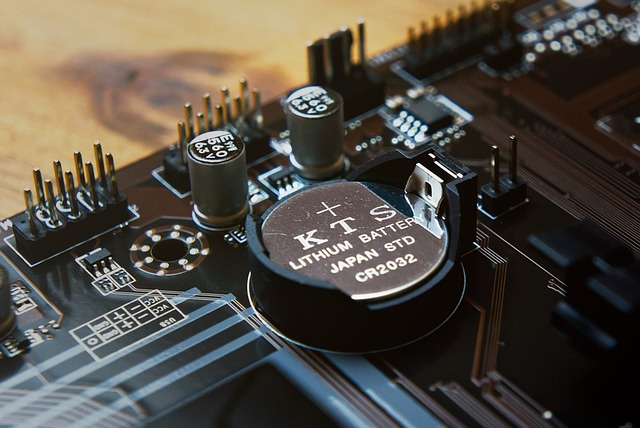
The Evolution of Silicon-Based Anodes in Lithium-Ion Batteries
Silicon’s theoretical capacity exceeds that of graphite by nearly tenfold, but its 300% volume expansion during lithiation leads to fracture and unstable solid-electrolyte interfaces. Traditional planar electrodes cannot withstand these internal pressures, resulting in rapid capacity loss. By contrast, 3D architectures distribute strain spatially and enable more uniform lithiation across silicon domains.
Structural Benefits of 3D Design in Electrochemical Systems
A 3D scaffold provides void spaces that absorb expansion without delamination. The interconnected geometry enhances ion diffusion paths and promotes efficient charge transport throughout the electrode thickness. Moreover, reducing stress concentration zones mitigates particle pulverization, which is critical for maintaining electrical continuity over many cycles.
The Role of Conductive Networks in 3D Silicon Anode Stability
Beyond mechanical design, electronic conductivity determines performance consistency. Integrating conductive additives such as graphene or carbon nanotubes within the silicon matrix strengthens both current distribution and structural integrity.
Integration of Graphene and Other Conductive Additives
Graphene acts as a flexible conductive network that bridges silicon particles. When combined with carbon nanotubes, it forms a hybrid mesh offering mechanical toughness and continuous electron pathways. These conductive frameworks lower interfacial resistance and reduce localized heating during high-rate charging.
Influence of Crosslinked Binder Systems on Structural Cohesion
Binders are often overlooked components but play a pivotal role in maintaining electrode cohesion. Crosslinking within polymer binders improves elasticity and adhesion to active materials, preventing detachment under cyclic strain. Chemical interactions between binder functional groups and silicon oxide surfaces create robust interfaces that resist cracking even after hundreds of cycles.
Glycerol-Based Chemistry in Advanced Binder Design
Glycerol-derived chemistry introduces multifunctional crosslinking sites into polymer matrices, providing both flexibility and conductivity enhancement. Its molecular structure allows intimate interaction with both carbon networks and silicon surfaces.
Chemical Mechanisms Driving Crosslink Formation
Glycerol-based polyols contain multiple hydroxyl groups capable of reacting with polymer backbones to form dense crosslinked networks. These hydroxyl groups also bond with surface oxides on silicon nanoparticles, improving adhesion at the nanoscale. The resulting hybrid matrix maintains elasticity while preserving electronic connectivity across the electrode framework.
Electrochemical Implications of Glycerol-Derived Binders
The chemical versatility of glycerol derivatives contributes to improved ionic mobility within the binder phase, facilitating lithium-ion transport across interfaces. Additionally, stable interfacial bonding minimizes continuous SEI growth—a common cause of capacity fading in silicon-rich systems. Reduced cracking leads to higher coulombic efficiency and extended cycle life.
Synergistic Effects Between 3D Architecture and Glycerol-Based Binders
Combining 3D structuring with glycerol-based crosslinked binders creates an integrated system where mechanical resilience complements electrochemical performance. Each component reinforces the other’s function under operational stress.
Mechanical Reinforcement Through Hierarchical Structuring
Within a hierarchical electrode design, macro-scale porosity accommodates bulk expansion while micro-scale binder elasticity absorbs localized strain. This dual-level reinforcement prevents particle isolation or aggregation during cycling, sustaining electrical contact throughout repeated charge-discharge operations.
Electrochemical Performance Optimization in Integrated Systems
When conductive binder chemistry merges with 3D geometry, the result is faster charge-transfer kinetics and reduced impedance across the electrode depth. Such systems exhibit superior rate capability—critical for electric vehicle applications where rapid charging is required—while retaining stable capacity over extended cycling tests exceeding several hundred hours.
Comparative Insights: 3D Silicon vs Graphene Lithium-Ion Battery Designs
Both 3D silicon lithium-ion battery configurations and graphene lithium-ion battery systems represent advanced architectures but serve distinct functional priorities within next-generation energy storage research.
Structural and Functional Distinctions Between the Two Architectures
A 3D silicon system emphasizes volumetric accommodation to manage expansion stresses inherent to alloy-type anodes. In contrast, graphene-based batteries prioritize maximizing electrical conductivity through layered two-dimensional sheets. While graphene electrodes deliver rapid electron transport, they typically achieve lower volumetric energy density compared to structured silicon frameworks.
Potential Hybridization Strategies for Next-Generation Cells
Integrating graphene layers into a 3D silicon scaffold could merge their respective strengths—graphene’s conductivity with silicon’s high capacity—into one synergistic platform. Such hybrid designs may balance durability, power output, and energy density for applications ranging from portable electronics to grid-scale storage systems.
FAQ
Q1: Why is a 3D structure advantageous for silicon anodes?
A: It distributes mechanical stress evenly during cycling, reducing cracking and improving long-term stability compared to flat electrodes.
Q2: How does glycerol chemistry improve binder performance?
A: Glycerol introduces multiple reactive sites that create strong crosslinks within polymers while bonding effectively to silicon surfaces.
Q3: What distinguishes a graphene lithium-ion battery from a 3D silicon one?
A: Graphene batteries focus on enhancing conductivity through layered carbon structures, whereas 3D silicon designs address volume expansion management.
Q4: Can glycerol-based binders affect ionic conductivity?
A: Yes, their polar hydroxyl groups support efficient lithium-ion movement across interfaces without compromising mechanical strength.
Q5: Are hybrid designs combining graphene and silicon feasible?
A: Research indicates that integrating graphene conductive networks into 3D silicon matrices can yield balanced performance across energy density, power delivery, and durability metrics.