
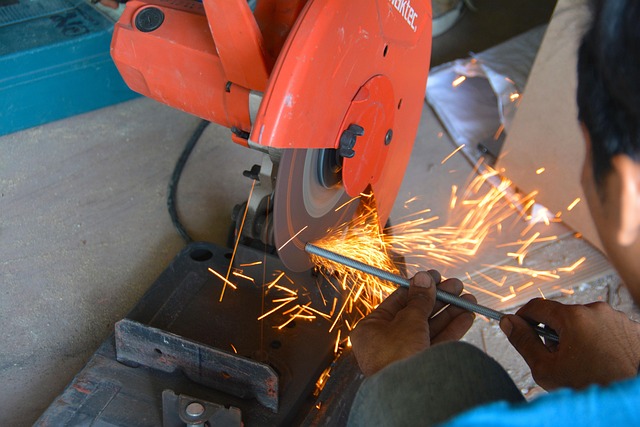
What Makes a Grinder Disc for Metal Essential Among Angle Grinder Accessories
Cordless Rotary Hammer Demand Rises Across Urban Infrastructure Projects
Cordless rotary hammers have rapidly become a defining tool in modern construction, particularly within dense urban infrastructure projects. The surge in demand is driven by advances in battery chemistry, digital integration, and ergonomic design that collectively enhance mobility and efficiency. Contractors increasingly favor these tools for their ability to deliver high impact energy without the constraints of cords or generators. As cities expand vertically and underground, cordless rotary hammers now serve as essential assets for achieving both sustainability goals and operational productivity.
The Evolution of Cordless Rotary Hammer Technology
The evolution of cordless rotary hammer technology reflects a broader shift across the power tool industry toward autonomy, digital control, and energy efficiency. Each stage of this evolution has been marked by engineering breakthroughs that balance performance with portability.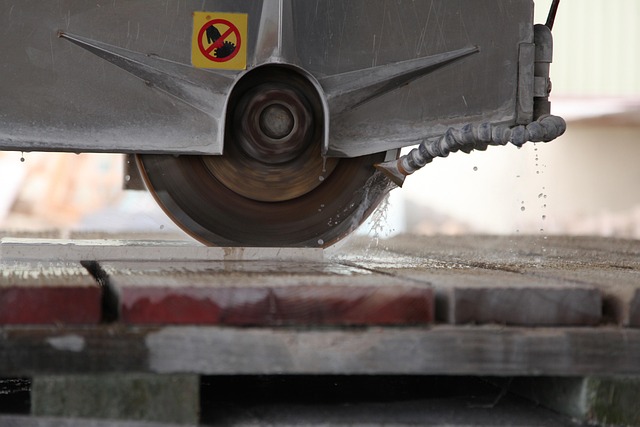
Advancements in Power Tool Engineering
The transition from corded to cordless systems was primarily driven by improvements in lithium-ion battery technology, which allowed higher energy density and longer runtime. Brushless motor integration further enhanced torque output while reducing mechanical wear. Manufacturers also prioritized vibration control systems and ergonomic handles to minimize operator fatigue during prolonged drilling tasks. In field applications, these refinements translate into measurable gains in drilling speed and tool stability.
Influence of Battery Chemistry on Performance
Battery chemistry remains central to cordless performance. Lithium-ion cells offer fast charging cycles and consistent discharge curves even under heavy loads. Modern smart battery management systems now regulate temperature, current flow, and voltage balance to extend lifespan. Modular battery platforms have emerged as a strategic advantage—contractors can interchange batteries across multiple tools within the same ecosystem, simplifying logistics on large job sites.
The Role of Cordless Rotary Hammers in Modern Urban Infrastructure
Urban construction environments impose unique challenges: limited space, strict noise regulations, and constrained access to electrical sources. Cordless rotary hammers address these limitations directly through compact design and autonomous operation.
Addressing the Demands of Dense Construction Environments
Compact form factors allow cordless rotary hammers to operate efficiently in confined spaces such as elevator shafts or basement foundations. Their independence from external power sources eliminates cable clutter and reduces trip hazards on crowded sites. Additionally, reduced operational noise aligns with municipal environmental standards for low-emission construction zones—a growing priority across major metropolitan areas.
Enhancing Productivity in Infrastructure Projects
Productivity gains stem from faster setup times since there is no need for extension cords or portable generators. Quick-swap battery systems keep downtime minimal; crews can maintain continuous drilling cycles without waiting for recharge intervals. High-precision control mechanisms also enable consistent hole alignment in reinforced concrete or steel rebar applications, improving structural reliability across repetitive tasks.
Comparative Analysis: Cordless vs. Corded Rotary Hammers in Field Applications
While corded models still dominate heavy-duty industrial use, cordless rotary hammers are closing the performance gap quickly thanks to advances in motor efficiency and digital monitoring.
Performance Metrics Under Real Construction Conditions
When evaluated under real-world conditions, modern cordless units now achieve impact energies approaching those of mid-range corded counterparts. Drilling speed remains slightly lower on thicker materials but compensates with superior maneuverability. Ambient temperature can influence battery output stability; however, advanced thermal management mitigates most fluctuations during extended use.
Maintenance and Lifecycle Considerations
Cordless designs typically require less maintenance due to fewer moving parts exposed to frictional wear. Integrated sensors monitor brushless motor health and trigger predictive diagnostics before faults occur. Over time, reduced downtime offsets initial purchase costs—making lifecycle economics favorable for contractors managing large equipment fleets.
Integration with Digital Construction Ecosystems
The convergence of power tools with digital ecosystems has redefined how construction data is collected and analyzed on-site. Cordless rotary hammers are increasingly equipped with connectivity features that transform them into data-driven assets.
Connectivity and Data Analytics in Power Tools
IoT-enabled rotary hammers transmit usage data such as impact counts, runtime hours, and load cycles to centralized fleet management dashboards. This connectivity supports predictive maintenance scheduling based on actual wear patterns rather than fixed intervals. Integration with Building Information Modeling (BIM) platforms further streamlines workflow coordination between field operations and project planning teams.
Safety Enhancements Through Smart Systems
Smart safety systems now play a critical role in protecting operators from kickback incidents or overload conditions. Automated shut-off functions instantly cut power when sensors detect torque spikes beyond safe thresholds. Real-time alerts sent via connected devices notify supervisors if overheating occurs—reducing both injury risk and equipment damage potential.
Market Dynamics Driving Adoption in Urban Infrastructure Projects
Market adoption is shaped by both economic incentives and regulatory pressures favoring low-emission technologies within city construction zones.
Factors Influencing Procurement Decisions Among Contractors
Procurement teams evaluate total cost of ownership rather than upfront price alone. Productivity gains from cordless operation often justify higher initial investment levels. Multi-brand compatible battery ecosystems are particularly attractive because they simplify inventory management across mixed tool fleets. In some regions, government programs now offer tax credits for adopting sustainable construction equipment powered by rechargeable batteries.
Emerging Trends Shaping Future Demand
Smart city development initiatives are accelerating demand for flexible tools that minimize environmental footprint while maximizing digital traceability. AI-driven diagnostics promise deeper insights into tool usage patterns, allowing predictive maintenance at scale. Partnerships between tool manufacturers and infrastructure developers are also emerging to co-design application-specific solutions tailored for tunneling, retrofitting, or high-rise reinforcement work.
The Future Outlook for Cordless Rotary Hammer Technology in Urban Development
Future progress will hinge on continued innovation in both energy storage materials and software intelligence embedded within the tool architecture itself.
Anticipated Innovations in Power Delivery and Control Systems
Solid-state batteries are expected to redefine operational lifespans by delivering higher charge retention with improved thermal stability. Adaptive torque control algorithms will dynamically adjust output based on material hardness—enhancing precision while conserving energy per strike cycle. Improved wireless protocols will strengthen interoperability among devices operating within shared site networks.
Strategic Implications for Urban Infrastructure Efficiency
As tool autonomy increases, project timelines could shorten significantly due to fewer interruptions from power logistics or maintenance delays. Lower overall energy consumption will contribute directly to sustainability benchmarks set by urban authorities aiming for carbon-neutral development models by 2030 or earlier under IEA projections. Workforce training may also evolve toward hybrid skill sets combining mechanical proficiency with digital system literacy—a natural progression as construction becomes more data-centric.
FAQ
Q1: What distinguishes a cordless rotary hammer from a standard hammer drill?
A: A cordless rotary hammer delivers both rotation and percussion through an electro-pneumatic mechanism designed for masonry work, unlike standard drills which rely solely on mechanical impact mechanisms suited for lighter materials.
Q2: How long do modern lithium-ion batteries last on a single charge?
A: Depending on capacity ratings between 5Ah and 12Ah, most professional-grade batteries provide 30–90 minutes of continuous heavy drilling before requiring replacement or recharge.
Q3: Are brushless motors worth the additional cost?
A: Yes, brushless motors generate less heat, extend service life by eliminating carbon brushes, and maintain consistent torque under varying loads—making them ideal for daily professional use.
Q4: Can cordless rotary hammers handle reinforced concrete?
A: High-voltage models exceeding 36V can effectively penetrate reinforced concrete when paired with carbide-tipped SDS bits designed for impact resistance.
Q5: How does IoT integration improve job site safety?
A: Connected sensors monitor torque spikes or overheating events in real time; when anomalies occur, automatic shutdowns prevent accidents while alerting supervisors through linked mobile applications.