Is a 1 Inch Impact Wrench the Key to Superior Torque Performance
Impact Driver, Cordless Tools, Brushless Motor, Battery Ecosystem, Torque Performance
A 1 inch impact wrench represents the top tier of torque delivery in industrial fastening. Its design is not just about size but about mechanical efficiency and endurance. Engineers use it where smaller tools fail—heavy machinery assembly, transportation maintenance, and structural bolting. The evolution of brushless motors and advanced battery ecosystems has made cordless models rival pneumatic systems in both torque and reliability. For professionals measuring performance beyond rated torque values, the 1 inch impact wrench stands as a benchmark for power-to-weight balance and operational control.
Understanding the Role of a 1 Inch Impact Wrench in Torque Applications?
The 1 inch impact wrench is engineered to handle extreme torque demands that exceed the capacity of smaller drive sizes. Its purpose extends beyond raw power—it ensures consistent energy transfer under heavy loads while maintaining structural integrity across repeated cycles.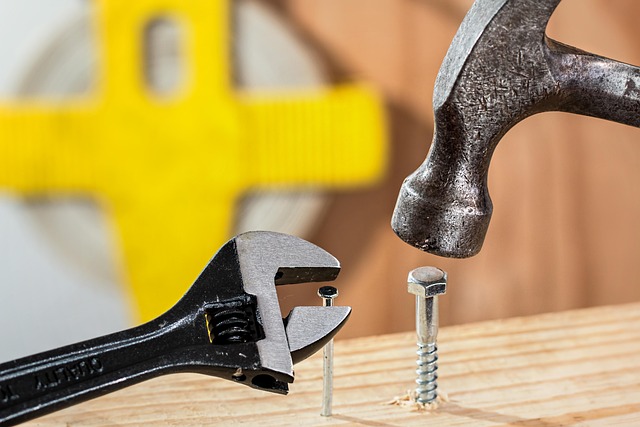
The Engineering Purpose Behind the 1 Inch Drive Size
The larger drive size provides a mechanical advantage by distributing torque more evenly through the socket interface. This reduces stress concentration on individual components. Socket engagement depth and tool geometry directly affect how load is transferred to fasteners, preventing slippage or rounding during high-torque operations. In industries like mining or shipbuilding, where bolts may require over 2,000 ft-lb of force, the 1 inch drive becomes indispensable.
Comparing Drive Sizes and Their Torque Capacities
Torque scales exponentially with drive size due to increased anvil strength and contact area. A typical ½ inch drive may deliver around 600 ft-lb, while a 1 inch model can exceed 3,000 ft-lb without structural fatigue. However, as torque rises, so does tool weight—balancing these factors determines suitability for specific applications such as mobile service versus fixed assembly lines.
The Mechanics of Torque Performance in Impact Wrenches
Torque output depends on how efficiently kinetic energy converts into rotational force through internal mechanisms. The hammer-and-anvil system defines this process by storing energy momentarily before releasing it in rapid bursts.
How Impact Mechanisms Generate Rotational Force
Inside a 1 inch impact wrench, twin hammers strike the anvil sequentially to create rotational impulses. Each strike multiplies torque without continuous strain on the motor or air supply. High-frequency impacts generate smoother rotation but lower peak torque per hit; low-frequency impacts provide stronger bursts suited for stubborn fasteners.
Factors That Affect Real-World Torque Output
Air pressure or motor efficiency often limits achievable torque more than mechanical design itself. Even small drops in compressor pressure can reduce output by 10–15%. Frictional losses through sockets and extensions further diminish effective torque at the fastener head. Calibration differences between rated and applied values explain why field results rarely match laboratory ratings under ISO testing conditions.
Advancements in Cordless Impact Wrench Technology
Cordless technology has shifted professional preferences away from air tools toward portable systems that maintain comparable power levels. Modern brushless motors and smart batteries have closed much of this historical performance gap.
Integration of Brushless Motors for Efficiency and Longevity
Brushless motors eliminate carbon brushes that cause frictional losses and heat buildup. Their electronic controllers adjust current flow based on resistance feedback, optimizing torque delivery for each task while extending tool life. Reduced mechanical wear translates to fewer service intervals—a key advantage for fleet operators managing multiple units daily.
Battery Ecosystem Compatibility and Power Management
Voltage rating defines potential speed; amp-hour capacity dictates runtime; discharge rate determines sustained torque capability. Many manufacturers now offer cross-platform battery ecosystems allowing one pack to power drills, saws, and impact wrenches alike—simplifying logistics on job sites. Smart monitoring circuits within these packs regulate temperature to prevent overloads during continuous high-torque use.
Evaluating Torque-to-Weight Ratio and Ergonomic Design Considerations
Performance metrics alone do not define tool quality; operator comfort under repetitive use influences overall productivity just as much as raw power figures.
Balancing Power Output with Operator Control
Vibration damping systems absorb recoil energy from hammer strikes to reduce hand fatigue during extended sessions. Handle geometry plays an equally critical role—angled grips improve wrist alignment while sensitive triggers enable gradual torque buildup instead of abrupt surges that can strip threads or damage joints.
Durability Under Continuous Load Conditions
Heavy-duty housings often combine magnesium frames with steel anvils for optimal strength-to-weight ratios. Thermal management channels dissipate heat from prolonged operation cycles common in industrial assembly lines. Sealing systems protect internal components from dust or moisture intrusion when used outdoors or near hydraulic equipment where contamination risk is high.
Application-Specific Benefits of a 1 Inch Impact Wrench
The versatility of a 1 inch impact wrench lies in its adaptability across sectors requiring secure fastening under demanding conditions—from construction yards to offshore platforms.
Industrial Maintenance and Construction Use Cases
This tool excels at loosening rusted bolts on excavators or tightening anchor assemblies in concrete structures. In manufacturing environments, it supports precision fastening through calibrated torque settings integrated into production workflows where consistency matters more than speed alone.
Transportation, Energy, and Infrastructure Sectors Adoption Trends
Fleet maintenance crews rely on these wrenches for changing truck tires or railcar couplings quickly without over-torquing nuts. Energy sectors apply them during wind turbine nacelle assembly or pipeline installation where mobility constraints make pneumatic hoses impractical. As cordless versions gain higher voltage capacities, remote operations increasingly replace traditional air-driven setups for better efficiency per shift hour.
Measuring Performance Metrics Beyond Rated Torque Values
Evaluating an impact wrench requires more than reading manufacturer specifications; real-world performance depends on standardized testing protocols and contextual interpretation of results.
Testing Standards for Impact Tools in Professional Settings
ISO standards distinguish between peak torque—the highest instantaneous value—and sustained torque measured over several seconds under controlled joint hardness conditions. Laboratory tests simulate ideal environments but field assessments reveal how materials respond differently when surface friction varies due to corrosion or lubrication states.
Data Interpretation for Procurement Decisions
Procurement specialists assess cycle life (number of full-load impacts before degradation), duty rating (percentage of time at max load), and maintenance intervals when comparing models across brands. Cost efficiency emerges not from purchase price alone but from total lifecycle value—how long the tool maintains calibration accuracy relative to replacement cost thresholds defined by company policy.
FAQ
Q1: What makes a 1 inch impact wrench different from smaller sizes?
A: It delivers significantly higher torque through a larger anvil interface designed for heavy-duty fasteners found in industrial machinery and transport equipment.
Q2: Can cordless models match pneumatic ones in performance?
A: Modern brushless cordless versions now achieve similar peak torques while offering better portability and reduced setup time compared to hose-dependent pneumatic tools.
Q3: How often should calibration be checked?
A: For professional use exceeding daily operation cycles, recalibration every six months ensures consistent output within ISO tolerance ranges.
Q4: Are all sockets compatible with a 1 inch drive?
A: Only sockets rated for impact use should be attached; standard chrome sockets may fracture under repeated shock loads generated by high-torque impacts.
Q5: What safety measures should operators follow?
A: Use vibration-reducing gloves, secure footing before activation, verify socket fitment fully seats on the fastener head, and avoid exceeding manufacturer-specified maximum pressure or voltage limits.