
Is a Corded Angle Grinder the Ideal Choice for Masonry Experts
Best Angle Grinder For Masonry
Selecting the best angle grinder for masonry depends on continuous power delivery, torque stability, and tool durability. Among professional trades, corded models remain the benchmark for consistent performance when cutting or shaping dense materials such as concrete and stone. While cordless tools have improved, they still cannot match the sustained torque output of a corded angle grinder under heavy load. For masonry experts handling long shifts or precision cuts, a robust corded grinder paired with an SDS Plus hammer drill delivers unmatched efficiency and reliability.
The Role of a Corded Angle Grinder in Masonry Work?
Masonry work demands tools that can handle abrasive materials without faltering. A corded angle grinder is designed precisely for this purpose—built to maintain constant speed and torque even under continuous load.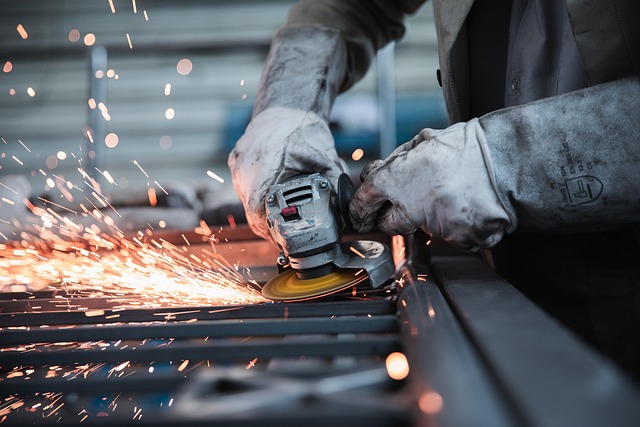
The Function and Design of a Corded Angle Grinder
Corded angle grinders deliver consistent power for cutting, grinding, and shaping masonry materials. The motor design ensures stable torque output under continuous load, which is vital when working with dense stone or reinforced concrete. Because these grinders draw power directly from an electrical source, they eliminate downtime caused by charging batteries. This makes them suitable for extended use in demanding site conditions where battery downtime is not acceptable.
Comparing Corded and Cordless Power Delivery
Corded models maintain constant RPM without performance drop, offering predictable results during long sessions. Cordless alternatives provide mobility but may struggle with heavy-duty masonry tasks due to limited battery capacity. The trade-off between electrical source dependency and battery convenience remains a key operational consideration for professionals balancing mobility with output consistency.
Evaluating Performance Factors for Masonry Applications
Performance evaluation goes beyond raw wattage; it involves understanding how torque, disc size, and rotational speed interact to produce clean cuts and smooth finishes on hard surfaces.
Power Output and Torque Requirements
Masonry cutting demands high torque to handle dense materials such as concrete or stone. Most corded grinders range from 7 to 15 amps, providing sufficient force for precision cutting without stalling. Continuous power flow supports deep cuts while minimizing overheating—a critical advantage when working on reinforced structures or thick slabs.
Disc Size and Speed Compatibility
Disc size directly affects both depth of cut and material removal rate. Common sizes include 4.5″, 7″, and 9″, each suited to specific job scales. Higher RPM improves surface smoothness but requires proper disc selection to prevent premature wear. Balancing speed with control ensures clean edges and reduces micro-chipping along cut lines.
Integration with Other Tools: The Role of SDS Plus Hammer Drills
Masonry projects rarely rely on a single tool. Combining an SDS Plus hammer drill with a corded angle grinder enhances both accuracy and productivity across different stages of construction.
Complementary Use in Masonry Projects
SDS Plus hammer drills excel at drilling anchor holes before grinding or cutting operations begin. This sequence allows workers to establish precise points before shaping or trimming surfaces with the grinder. Using both tools in tandem streamlines workflow efficiency on-site while maintaining structural precision.
Selecting Compatible Equipment for Seamless Operation
Matching the grinder’s power rating with the hammer drill’s capacity prevents tool strain during simultaneous operations. Accessories like dust extraction attachments further improve safety by maintaining visibility in dusty environments—a practical necessity when cutting indoors or near finished surfaces.
Durability and Maintenance Considerations for Professionals
Professional-grade grinders must withstand harsh conditions where dust, vibration, and heat are constant challenges.
Material Construction and Build Quality
High-quality grinders feature reinforced housings that resist dust ingress and vibration damage during prolonged use. Bearings, brushes, and cooling systems are engineered to survive exposure to abrasive particles common in masonry sites. Metal gear casings also contribute to better heat dissipation during long operation periods.
Maintenance Practices to Extend Tool Life
Routine maintenance plays a major role in preserving performance standards. Regular cleaning of vents prevents overheating by keeping airflow unobstructed. Inspecting discs, cords, and switches periodically helps identify wear before failure occurs. Lubricating moving components reduces friction-induced wear over time—a small step that extends service life significantly.
Safety Protocols When Using Corded Angle Grinders on Masonry Surfaces
Even seasoned professionals treat safety as non-negotiable when operating high-speed grinders around brittle materials like stone or brick.
Handling Techniques for Optimal Control
Maintaining a firm grip counters torque reaction during cutting or grinding operations. Adjusting guards according to disc type provides better control over debris direction and minimizes kickback risk. Applying steady pressure rather than forcing the tool through material layers prevents disc binding—a common cause of accidents on site.
Personal Protective Equipment (PPE) Essentials
Eye protection shields against flying chips; hearing protection mitigates prolonged noise exposure; gloves enhance grip stability while dust masks filter silica particles released from masonry surfaces. Anti-vibration gloves reduce fatigue during extended sessions, while proper footwear prevents slips around debris-laden areas.
Assessing Cost Efficiency and Long-Term Value for Experts
For professionals managing multiple projects simultaneously, cost efficiency often determines equipment selection more than upfront price tags do.
Operational Costs Versus Productivity Gains
Corded grinders incur lower operational costs since there are no batteries to replace or recharge downtime to manage. Continuous runtime boosts productivity on large-scale masonry projects where every minute counts toward completion deadlines. Reduced maintenance frequency further contributes to long-term savings across tool fleets.
Evaluating Investment Based on Project Demands
For stationary or repetitive masonry work such as tile trimming or wall chasing, corded models offer superior reliability per dollar spent. However, hybrid setups—combining corded grinders for heavy tasks with cordless SDS Plus drills for mobility—can optimize overall site performance. Strategic pairing based on workload distribution maximizes return on investment across diverse project environments.
FAQ
Q1: What makes a corded angle grinder ideal for masonry work?
A: Its uninterrupted power supply maintains consistent torque needed for cutting dense materials like stone or concrete without stalling.
Q2: How does disc size affect performance?
A: Larger discs allow deeper cuts but require more power; smaller discs give finer control suitable for finishing tasks.
Q3: Why pair an SDS Plus hammer drill with a grinder?
A: The drill handles anchoring holes efficiently before grinding begins, improving workflow accuracy on-site.
Q4: What maintenance steps extend grinder lifespan?
A: Cleaning vents regularly, checking cords for wear, replacing brushes periodically, and lubricating gears all help maintain peak function.
Q5: Are corded models safer than cordless ones?
A: Safety depends more on user handling than power source; however, corded units avoid sudden shutdowns caused by battery depletion mid-cut.