

What to check before buying a tool shop reciprocating saw
What a tool shop reciprocating saw should help you do
A tool shop reciprocating saw is a rough-cutting power tool for work where speed, reach, and access matter more than furniture-grade accuracy. It is commonly used to cut framing lumber, nail-embedded wood, plastic pipe, metal conduit, threaded rod, drywall openings, tree limbs, and demolition material. Because the saw drives a straight blade back and forth at high speed, real performance depends on the blade, the shoe, and the control features as much as on the motor.
If you are comparing saws on a tool category page or store listing, do not judge by voltage, amperage, or price alone. A practical choice should match the materials you expect to cut, the available power source, the work area, and the operator’s comfort level. For broader power tool category context, see the Tool Categories section.
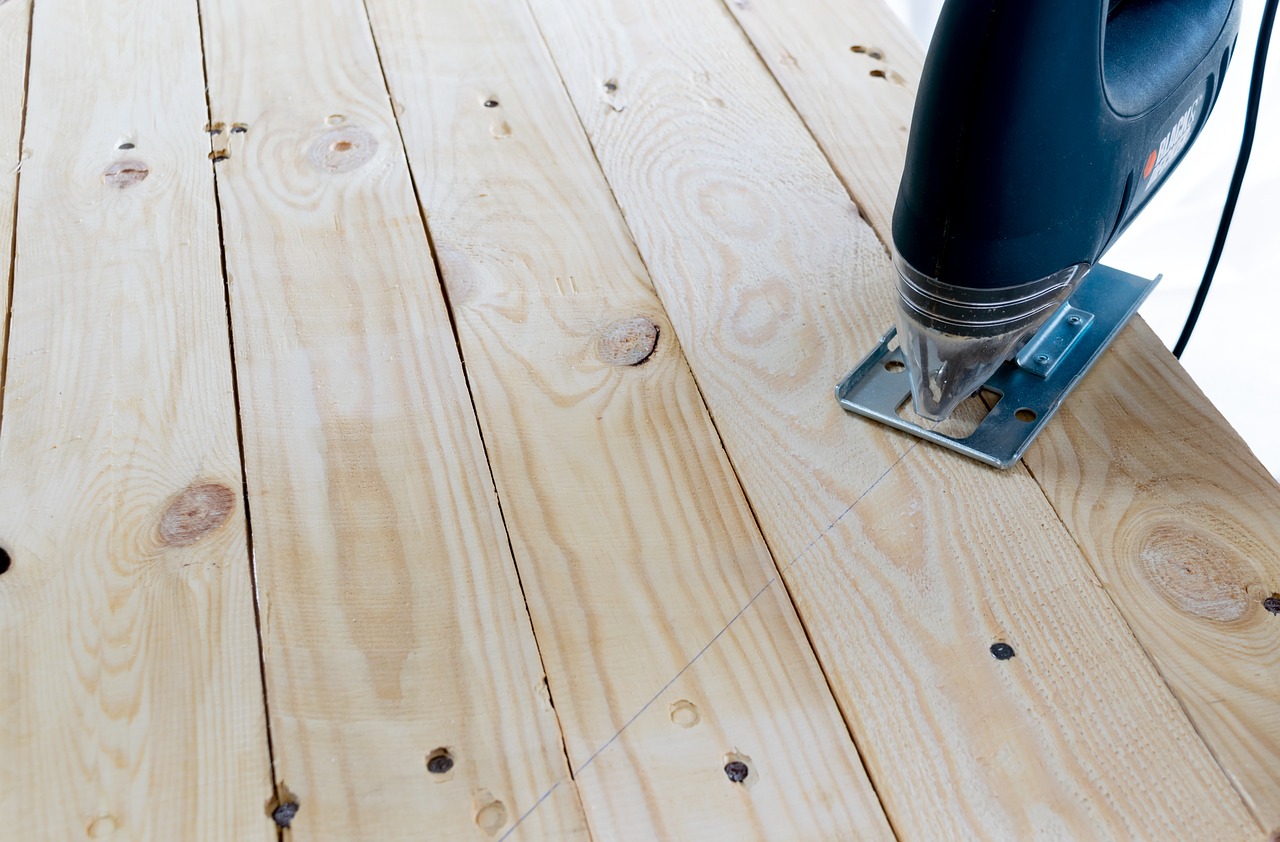
Start with the job, not the saw
The first question is not which reciprocating saw looks strongest. It is what you need to cut most often. A homeowner removing a damaged deck board, a remodeler cutting through old framing, and a maintenance worker trimming pipe in a tight utility room may all need different features.
For demolition and remodeling, a reciprocating saw is useful because it can reach areas where a circular saw, miter saw, or table saw cannot work safely. Its narrow blade can slip between studs, behind trim, or through mixed material. That advantage also brings a limitation: the blade can flex. A reciprocating saw is rarely the best choice for long, straight finish cuts.
Use a reciprocating saw when you need access, speed, or material separation. Use another saw when you need clean edges, accurate angles, repeatable cuts, or a finished surface. Making that distinction before purchase helps avoid forcing the tool into work it was not designed to do.
Corded and cordless models solve different problems
Many tool shop reciprocating saw listings divide products into corded and cordless versions. Neither type is automatically better. A corded saw is usually easy to keep running during longer demolition sessions, provided power is available and the cord can be managed safely. It can be a sensible choice for shop work, garage repairs, or indoor remodeling where outlets are close.
A cordless saw is often more convenient outdoors, on ladders, in crawl spaces, or in unfinished job areas where extension cords create trip hazards. The tradeoff is battery management. Runtime depends on battery capacity, material, blade condition, cutting pressure, and motor load. A dull blade or the wrong tooth count can drain a battery faster than many buyers expect.
For cordless tools, pay close attention to the battery platform. If you already own batteries and chargers from one system, staying in that system may reduce the total cost. If the saw is sold as a bare tool, confirm that a compatible battery and charger are already available. If it is sold as a kit, compare the included battery capacity and charger type instead of assuming every kit offers the same value.
Features that matter in real use
Reciprocating saws are often promoted with short feature lists, but a few details make a noticeable difference in control and usability. The most useful features are not always the ones highlighted in the largest type.
| Feature | Why it matters | What to check |
|---|---|---|
| Variable speed trigger | Helps start cuts smoothly and control different materials. | Look for responsive speed control, not just a high maximum speed. |
| Orbital action | Adds a more aggressive blade path for faster rough wood cutting. | Useful for demolition wood, less suitable for clean metal cuts. |
| Tool-free blade clamp | Speeds up blade changes and reduces handling time. | Check that the clamp locks securely and releases without forcing. |
| Adjustable shoe | Stabilizes the saw against the work and can expose unused blade teeth. | Prefer a shoe that adjusts firmly and does not wobble. |
| Compact body | Improves access between studs, cabinets, pipes, and tight corners. | Balance compact reach against vibration and power needs. |
| Vibration control | Reduces fatigue during longer cutting sessions. | Compare handle design, grip shape, and tool weight. |
Stroke length and strokes per minute are useful specifications, but they should be read together. A longer stroke can remove material faster, while a shorter stroke may feel more controllable in a compact tool. High speed only helps when the blade, material, and cutting pressure are suitable. Forcing a fast saw with the wrong blade is a common way to overheat blades and leave rough results.
The blade is part of the tool
A reciprocating saw with the wrong blade can feel weak even when the motor is capable. Blade selection should be treated as part of the purchase, not as an afterthought. Most general users are better served by a small blade set than by one all-purpose blade.
- Wood blades: Lower tooth counts cut more aggressively through clean lumber and branches, but they leave rougher edges.
- Demolition blades: Bi-metal or carbide-tooth demolition blades are designed for rough work where nails or mixed material may be present.
- Metal blades: Higher tooth counts are used for pipe, conduit, sheet metal, bolts, and other metal work. Match the blade to the material thickness.
- Pruning blades: Coarse pruning blades can cut branches efficiently, but they are not a substitute for a chainsaw in larger wood.
- Specialty blades: Carbide, abrasive, scraper, and material-specific blades can help with cast iron, masonry-type material, fiberglass, or flooring removal, but only if the saw and blade are rated for the task.
Blade length matters as well. A blade must be long enough to pass through the material without the tip slamming into the work. At the same time, an unnecessarily long blade can bend, chatter, or reduce control. As a practical rule, choose enough length for clearance plus controlled movement, and let the shoe rest against the work whenever possible.
Do not assume every reciprocating saw blade will perform the same way just because it fits the shank. Manufacturer blade guides from major power tool and accessory brands generally organize blades by material, tooth count, length, thickness, and tooth material. That structure is useful because it reflects how cutting performance changes from job to job.
Safety checks before purchase and use
A reciprocating saw is simple to understand, but it is not a low-risk tool. The exposed blade, vibration, hidden fasteners, and unpredictable demolition material all require attention. OSHA guidance for hand-held saws notes the importance of constant-pressure controls on certain reciprocating and similar saws, meaning the tool stops when pressure is released. That is one reason trigger behavior and switch condition should never be ignored.
Before using any saw, inspect the cord or battery interface, housing, shoe, blade clamp, and trigger. Do not use a tool with a damaged cord, cracked housing, loose blade clamp, or switch that does not return properly. For cordless models, remove the battery before changing blades or clearing jams. For corded models, unplug the tool before adjustments. See also: Brands.
Personal protective equipment is not optional for serious cutting work. Eye protection helps guard against chips and flying debris. Gloves can reduce minor scrapes when handling material, although they should not encourage reaching near a moving blade. Hearing protection is often appropriate because power tools can produce hazardous noise, and NIOSH guidance treats repeated exposure to loud tool noise as a hearing risk. A dust mask or respirator may be needed when cutting dusty, painted, treated, or unknown material, especially in older buildings.
Hidden hazards deserve special attention. Before cutting into walls, floors, cabinets, or ceilings, check for electrical wiring, plumbing, gas lines, fasteners, and structural elements. A reciprocating saw can cut quickly enough that a mistake may happen before the operator can react. When the material is uncertain, slow down, expose the area if possible, and use the shortest suitable blade.
How to compare listings without falling for weak claims
Some product pages rely on phrases such as heavy duty, professional, or high performance without giving enough detail. Those words may describe the seller’s positioning, but they should not replace verifiable specifications and design checks. A better comparison looks at the complete cutting system.
- Confirm whether the saw is corded, cordless, tool-only, or sold with a battery and charger.
- Check speed control, orbital setting, shoe adjustment, and blade-change mechanism.
- Look for clear compatibility information for batteries, chargers, and blade shanks.
- Compare weight with the battery installed, not only bare-tool weight.
- Consider grip size and balance if the saw will be used overhead or one-handed.
- Budget for blades because a better blade can matter more than a small difference in tool specifications.
If you are searching for a specific Tool Shop brand reciprocating saw, confirm the exact model number before buying parts, batteries, chargers, or replacement manuals. Store-label and house-brand tools can vary by generation, and accessories that look similar may not always be compatible. Without a confirmed model sheet, it is safer to discuss general reciprocating saw selection than to claim a specific voltage, amperage, warranty, or performance figure.
Where a reciprocating saw fits in a tool collection
A reciprocating saw is often one of the most useful second-stage power tools. Many people first buy a drill, impact driver, or circular saw, then add a reciprocating saw when repair and demolition work becomes more common. It is especially helpful for taking things apart: removing old framing, cutting fasteners, trimming pipe, opening damaged sections, and separating material before disposal.
It does not replace a circular saw for straight sheet goods, a jigsaw for tighter curves, an oscillating multi-tool for flush detail work, or a chainsaw for larger tree work. Instead, it fills the gap between precision cutting and brute-force removal. That is why the best choice is usually not the most extreme saw, but the model that offers enough power, acceptable control, safe switching, and easy blade changes for the work you actually do.
For a small workshop, a corded model plus a mixed blade set may be enough. For property maintenance or mobile repairs, a cordless model in an existing battery platform can be more practical. For frequent demolition, prioritize vibration control, a strong shoe, tool-free blade changes, and durable demolition blades. In every case, blade quality and safe technique will shape the result more than marketing language on the package.
Frequently asked questions
Can a reciprocating saw cut metal?
Yes, but it needs the correct metal-cutting blade and controlled speed. Thin sheet, pipe, conduit, bolts, and threaded rod may require different tooth counts. Let the blade do the work, keep the shoe against the material, and avoid twisting the blade in the cut.
Is a cordless reciprocating saw strong enough for demolition?
A cordless model can be strong enough for many demolition tasks, especially when paired with the right battery and blade. Runtime and speed will depend on battery capacity, material, blade condition, and cutting pressure. For long continuous demolition in one location, corded power may still be simpler.
What blade should I buy first?
For general repair work, start with a small set that includes wood, nail-embedded wood or demolition, and metal-cutting blades. If you plan to trim branches, add a pruning blade. Buying only one blade often leads to poor performance because wood, metal, and mixed demolition material cut differently.
Why does my reciprocating saw vibrate so much?
Vibration can come from a dull blade, the wrong blade type, unsupported material, too much pressure, or a loose shoe. Hold the shoe firmly against the work, use a sharp blade, and reduce speed when starting the cut. If vibration suddenly increases, stop and inspect the blade clamp and blade condition.
Is a reciprocating saw good for accurate finish cuts?
Usually no. It can make functional cuts quickly, but the flexible blade and aggressive action are not ideal for finished edges. For clean straight cuts, use a circular saw, miter saw, or table saw when appropriate. For small detail cuts, an oscillating multi-tool or jigsaw may give better control.