
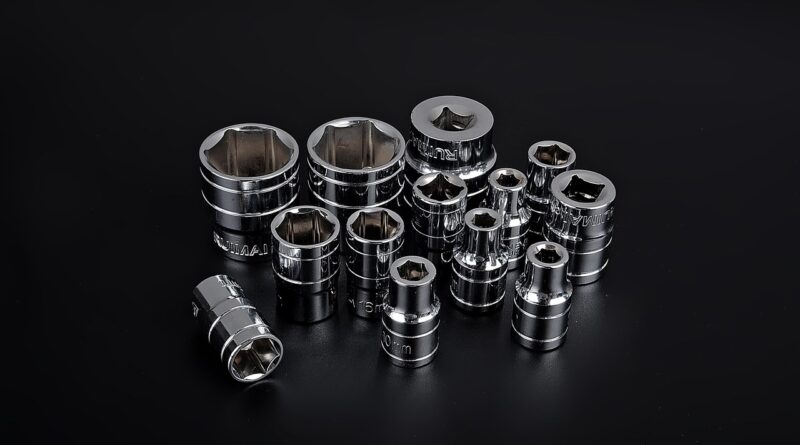
Impact wrench reviews for matching torque class to real jobs
Impact wrench reviews are most useful when they connect torque claims to the fasteners you actually service. The question is straightforward: will the tool remove the hardware in front of you without being too large, heavy, or hard to control? For most buyers, the best choice is not automatically the highest-torque model. A compact or stubby wrench may be the better fit for brake work, engine bays, and tight suspension access. A mid-torque model is often the balanced choice for general automotive and maintenance work. A high-torque or pneumatic wrench makes more sense when rusted chassis hardware, large anchors, farm equipment, or heavy machinery are regular jobs. Use this guide to check the buying criteria, current manufacturer-stated specifications, and safety limits that matter before comparing tools in the Reviews category.
What a useful impact wrench review should compare
A good review separates marketing numbers from job-fit details. Impact wrenches are sold with terms such as fastening torque, breakaway torque, nut-busting torque, no-load speed, impacts per minute, anvil size, and drive-control modes. These figures matter, but they do not tell the whole story. Brands do not always use the same test methods, batteries, sockets, or fastener conditions.
The first comparison point is torque class. A compact impact wrench may be easy to carry all day but can stall on corroded suspension bolts. A high-torque model may remove stubborn fasteners quickly, yet feel oversized for interior brackets, small engine fasteners, and repeated overhead work. A useful review should also cover weight with battery, overall length, head access, trigger control, mode settings, battery platform, socket retention style, warranty, and the cost of adding compatible batteries or chargers.
Torque is not a substitute for controlled tightening
An impact wrench is built for fast tightening and loosening, not precision final torque. Several operator manuals for professional impact wrenches instruct users to check final tightness with a torque wrench. That matters for wheel lugs, brake components, structural anchors, and machinery where over-tightening can stretch studs, damage threads, distort parts, or create unsafe clamping force. In a review, a low-speed auto-stop mode can be more useful than another few hundred foot-pounds of peak breakaway torque.
Drive size and socket retention affect daily use
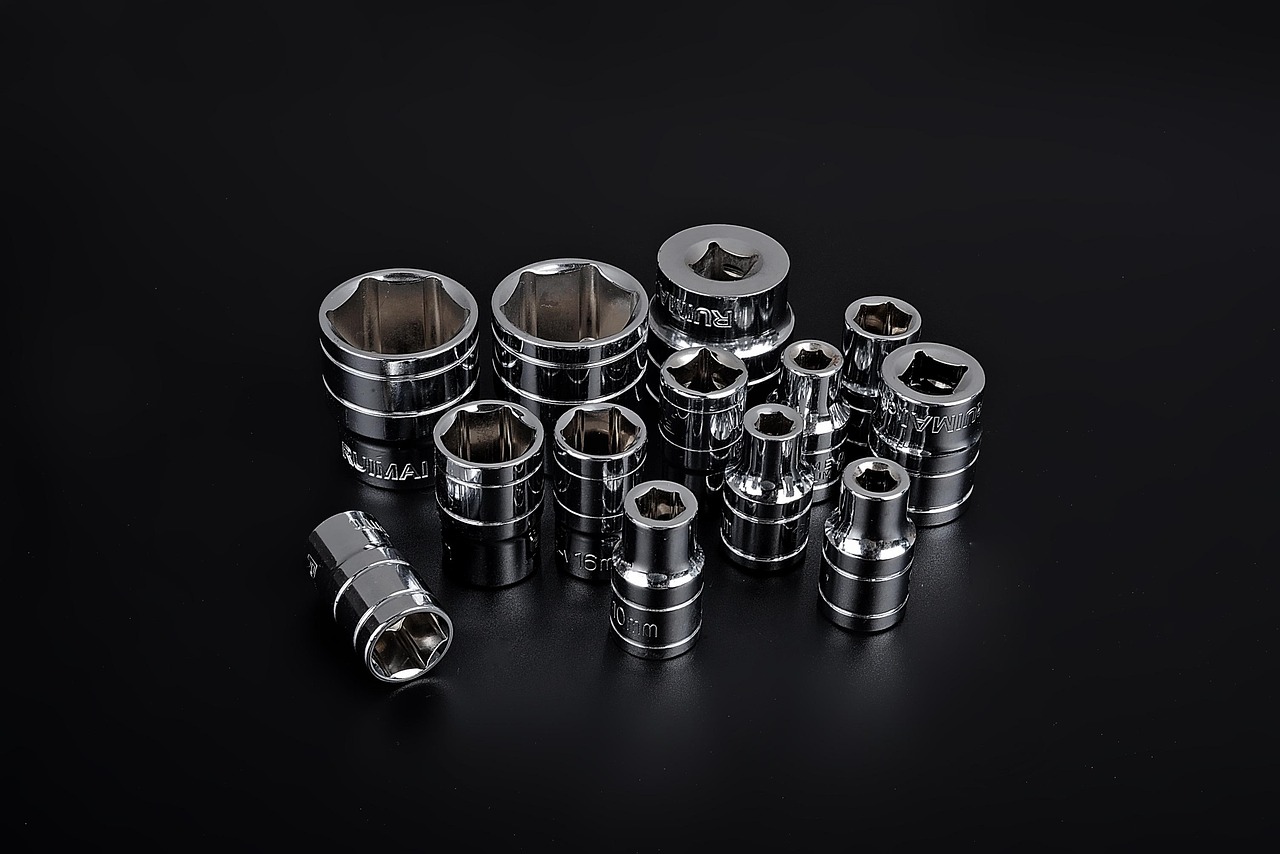
Most automotive and maintenance buyers compare 3/8-in. and 1/2-in. drive tools. A 3/8-in. impact wrench is easier to maneuver with smaller sockets and crowded access. A 1/2-in. drive is the common choice for lug nuts, suspension work, equipment service, and larger impact sockets. Friction rings make socket changes faster, while pin detents provide stronger retention for work at height or repeated industrial use. The better option depends on the job, not only the torque rating.
Torque classes and where they fit
The categories below are practical buying ranges, not formal industry standards. They help organize impact wrench reviews by real tasks instead of brand claims alone.
| Class | Typical drive | Best fit | Main limitation |
|---|---|---|---|
| Stubby or compact | 3/8-in. or 1/2-in. | Tight wheel wells, brake work, engine bay brackets, light maintenance, mobile tool bags | May struggle with large rusted fasteners or heavy equipment hardware |
| Mid-torque | Mostly 1/2-in. | General automotive work, tire rotations, mower and trailer maintenance, shop repair, jobsite fastening | Can be too bulky for tight spaces and not enough for severe corrosion |
| High-torque cordless | Mostly 1/2-in. | Rusted suspension bolts, axle nuts, larger anchors, farm and fleet service, construction equipment | Heavier, more expensive, and easier to over-tighten small fasteners |
| Pneumatic high-torque | Mostly 1/2-in. and larger | Production tire lanes, fleet shops, industrial maintenance, users with a capable compressor | Requires adequate air supply, hose management, and compressor maintenance |
If you work on passenger cars in a home garage, a mid-torque cordless model is often the most flexible starting point. If most of your fasteners are under dashboards, inside engine bays, or behind brake assemblies, a stubby tool may get used more often. If you regularly handle rust-belt suspension, heavy trucks, large mower blades, or seized agricultural hardware, a high-torque model becomes easier to justify.
Current manufacturer-stated examples and what they imply
The table below uses manufacturer-published specifications available in October 2026. It is not a laboratory ranking, and the listed torque values should not be treated as directly interchangeable across brands. Battery condition, battery size, socket type, extensions, lubrication, fastener condition, and test method can all affect real output.
| Model example | Class | Published torque figure | What the spec suggests |
|---|---|---|---|
| Milwaukee M12 Fuel Stubby 2562-20 | Stubby 3/8-in. | Up to 550 ft-lbs nut-busting torque | A compact, access-focused option with unusually high stated output for its size, but still not a replacement for a larger high-torque tool in every heavy job |
| DeWalt Atomic DCF921 | Compact 1/2-in. | Up to 300 ft-lbs fastening and 450 ft-lbs breakaway torque | A useful size for tight automotive spaces where control and maneuverability matter more than maximum removal torque |
| Milwaukee M18 Fuel 2962-20 | Mid-torque 1/2-in. | Up to 650 ft-lbs nut-busting torque | A balanced class for many mechanics who want one cordless impact wrench before adding a stubby or high-torque model |
| DeWalt XR DCF891 | Mid-range 1/2-in. | Up to 600 ft-lbs fastening and 800 ft-lbs breakaway torque | A mid-range example aimed at compact power for general fastening and automotive removal work |
| Makita XWT08Z | High-torque 1/2-in. | 740 ft-lbs fastening and 1,180 ft-lbs nut-busting torque | A heavier high-torque cordless option suited to stubborn fasteners when size and weight are acceptable |
| Milwaukee M18 Fuel 2967-20 | High-torque 1/2-in. | Up to 1,200 ft-lbs fastening and 1,600 ft-lbs nut-busting torque with specified Forge batteries | A high-output cordless example where battery pairing is central to the published performance claim |
| Ingersoll Rand 2235TiMAX | Pneumatic 1/2-in. | 1,350 ft-lbs nut-busting torque | A shop-oriented air tool example that remains relevant where compressor capacity and hose setup are already in place |
The main point is that the category matters as much as the individual tool. Compact models should be judged on access and control. Mid-torque models are judged on balance. High-torque models are judged on removal ability, battery demand, heat management, and whether the operator can avoid over-tightening. Pneumatic models need to be evaluated together with the air system, not as tool bodies alone.
Cordless vs pneumatic impact wrenches
Cordless impact wrenches have become the default choice for many mobile mechanics, home users, and mixed jobsite crews because they remove the need for a compressor and hose. The trade-off is that performance is tied to the battery platform. A high-output battery can change how a tool behaves under heavy load, while a small compact battery may reduce sustained power, especially on high-torque models.
Pneumatic impact wrenches still make sense in tire shops, fleet bays, and industrial maintenance areas where compressed air is already available. They can offer strong power-to-weight performance at the tool body and avoid battery charging schedules. However, the compressor, hose diameter, fittings, air pressure, moisture control, and maintenance routine are part of the system. A premium air impact connected to an undersized hose or weak compressor will not perform as its specification sheet suggests.
Safety guidance from OSHA for pneumatic tools also deserves attention. Air tools must be secured to hoses by a positive means to help prevent accidental disconnection, and compressed air used for cleaning has specific limits and guarding requirements. That does not make pneumatic tools unsafe; it means a review should consider the work environment, not only peak torque. See also: Tool Categories.
Safety, comfort, and accuracy checks before buying
Impact wrenches create rotational force, noise, vibration, and flying-debris risks. OSHA hand and power tool guidance emphasizes eye protection for power tool work, and pneumatic tools may require face protection depending on the task. NIOSH materials on hand-arm vibration also identify vibrating power tools as an occupational health concern, especially when exposure is frequent and prolonged.
- Use impact-rated sockets. Chrome hand sockets can crack or shatter under impact loading. Use sockets, extensions, and adapters rated for impact service.
- Do final tightening with a torque wrench. An impact wrench can snug hardware quickly, but final torque should match the vehicle, equipment, or fastener specification.
- Watch tool weight with battery. A tool that looks manageable as a bare unit may feel tiring with a large battery during overhead or repetitive work.
- Check vibration and noise exposure. Gloves, hearing protection, task rotation, and choosing the smallest capable tool can reduce fatigue during long sessions.
- Use the right mode. Auto-stop, bolt-removal, and low-speed settings can help prevent dropped fasteners and reduce the chance of over-tightening.
Comfort is not a luxury feature. If two tools can remove the same fastener, the lighter and better-controlled one may be the safer daily choice. Reviews that ignore balance, grip, trigger feel, lighting, and mode behavior miss the details that determine whether a tool is practical to use for a full shift or repeated weekend work.
A practical buying workflow
- List your hardest fasteners. Lug nuts, axle nuts, mower blades, structural anchors, and rusted suspension bolts require different levels of output.
- Decide where the tool must fit. If access is the main problem, start with compact or stubby options before chasing high-torque numbers.
- Match the battery or air system. Cordless buyers should consider existing batteries and charger cost. Pneumatic buyers should confirm compressor capacity, hose size, and fittings.
- Choose the anvil style. Use a friction ring for fast socket swaps and a pin detent for stronger socket retention.
- Budget for accessories. Include impact sockets, extensions, protective boots, batteries, chargers, hearing protection, and a torque wrench.
- Read specifications critically. Ask whether the torque claim depends on a specific battery, mode, or test condition.
For a first purchase, many users are best served by a mid-torque 1/2-in. cordless wrench paired with a quality impact socket set and a torque wrench. Add a stubby model if access becomes the repeated frustration. Add a high-torque model only when the mid-torque tool is regularly at its limit. Shops that already run compressed air can evaluate pneumatic choices alongside cordless tools rather than assuming one platform wins every job.
Frequently asked questions
Is a high-torque impact wrench better for lug nuts?
Not always. A high-torque wrench can remove stubborn lug nuts quickly, but it can also over-tighten them if used carelessly. For routine wheel work, many mid-torque impact wrenches are capable, provided the final tightening is completed with a properly set torque wrench.
Are manufacturer torque ratings directly comparable?
They are useful, but not perfectly comparable. Brands may publish fastening, breakaway, or nut-busting torque using different batteries and test setups. Treat torque figures as a starting point, then compare tool class, size, weight, battery requirements, and control features.
Should I choose a 3/8-in. or 1/2-in. impact wrench?
Choose 3/8-in. when access, smaller sockets, and lighter handling matter most. Choose 1/2-in. for lug nuts, larger suspension hardware, equipment service, and heavier impact sockets. Many professional toolboxes eventually include both.
Can an impact wrench replace a torque wrench?
No. An impact wrench is a fastening and removal tool, while a torque wrench is a measuring tool for controlled final tightening. Use the impact wrench to run hardware down, then verify final torque where specifications matter.
What is the best impact wrench for one-tool buyers?
For many home garages and maintenance users, a mid-torque 1/2-in. cordless model is the safest one-tool starting point. It provides more capability than compact tools while avoiding much of the weight and cost of high-torque models. Heavy rust, fleet service, or equipment repair may justify starting with high torque instead.