
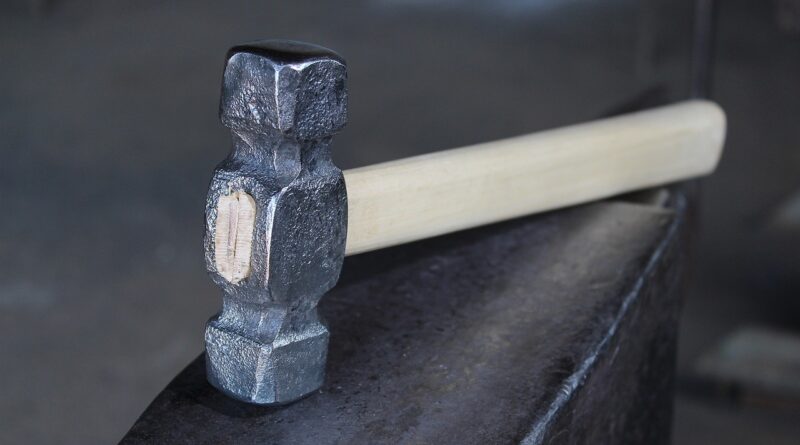
What is a hammer driver tool and when should you use one?
Quick answer
A hammer driver tool usually refers to a cordless hammer drill/driver. It works like a standard drill in rotary mode, and it can add a forward hammering action when drilling into masonry. It is different from an impact driver, which delivers rotational impacts for driving screws and bolts. It is also different from a rotary hammer, which uses a stronger piston-style mechanism for heavier concrete work.
For most home, maintenance and jobsite users, the right choice depends less on the name and more on the work: drilling holes in brick or block, driving fasteners, or making larger holes in concrete. This guide compares the tool types, the specifications that matter, and the safety limits to check before buying.
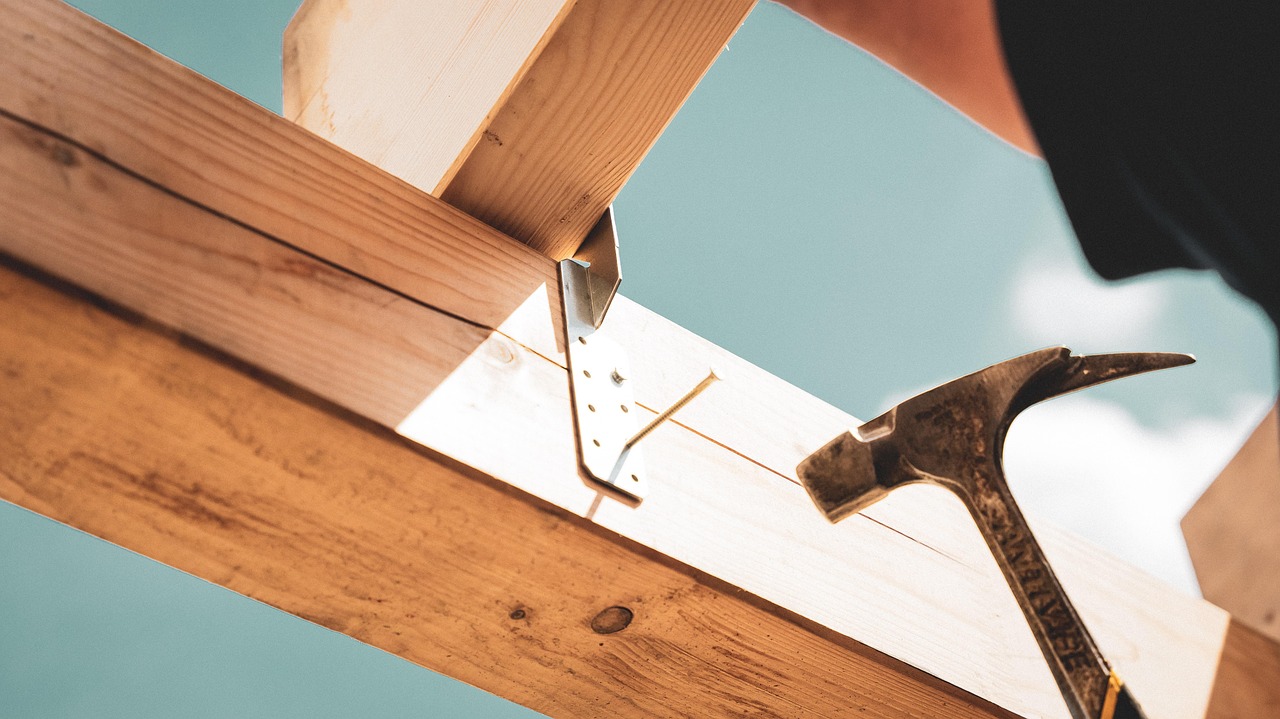
If you are comparing related power tools by function, the Tool Categories section is a useful place to group drills, drivers, hammers, batteries, and accessories by use case rather than by brand label.
What the term hammer driver tool usually means
The phrase hammer driver tool is understandable, but it is not a precise product category in most English tool listings. The closest common term is hammer drill/driver. That name describes a tool with two main roles: ordinary drilling or driving in rotary mode, and masonry drilling when hammer mode is engaged.
Manufacturer terminology reflects this distinction. DEWALT describes a standard drill/driver as a tool that rotates the bit, while a hammer drill adds a forward hammering action. Makita uses names such as hammer driver-drill for cordless tools that combine drilling, driving, and hammer drilling modes. Retailers and users may shorten these names, which is why searches for hammer driver tool often return several different tool types.
The confusion increases because impact drivers also use a hammering mechanism, but the force is applied in a different direction. An impact driver delivers rotational blows to turn fasteners. A hammer drill/driver delivers axial blows, pushing the bit forward as it spins. A rotary hammer also pushes forward, but it uses a more powerful mechanism and, on many models, accepts dedicated masonry bits such as SDS-plus bits.
Hammer drill, impact driver and rotary hammer compared
The simplest way to choose is to compare how each tool delivers force, not just whether the product name includes the word hammer.
| Tool type | How it delivers force | Best use | Main limitation |
|---|---|---|---|
| Drill/driver | Continuous rotation | Drilling wood, metal and plastic; driving screws with clutch control | Not efficient for masonry unless it has hammer mode |
| Hammer drill/driver | Rotation plus forward hammering | Small to medium holes in brick, block and light concrete; general drilling and driving | Slower and harsher than a rotary hammer in harder concrete |
| Impact driver | Rotational impacts | Driving long screws, lag screws and some bolts with hex-shank accessories | Poor choice for accurate holes and not a substitute for hammer drilling masonry |
| Rotary hammer | Piston-driven hammering with rotation, and often hammer-only mode | Concrete drilling, anchors, chipping and heavier masonry work | Larger, heavier and less suited to fine screwdriving |
A hammer drill/driver is usually the most versatile option for mixed household and light construction work. It can drill pilot holes, drive screws with a clutch, and switch into hammer mode for masonry. An impact driver is often the better partner for fastening because it is compact and delivers high torque with less wrist-twisting reaction than a conventional drill. A rotary hammer is the correct step up when the material is hard concrete, the holes are larger, or the work is repeated throughout the day.
How hammer action changes real work
Hammer action matters because masonry fails differently from wood or metal. In wood, a sharp bit cuts fibers. In metal, the bit shears material while heat and feed pressure must be controlled. In brick, block and concrete, the bit has to crush and chip the material while clearing dust from the hole. That is why hammer mode feels noisy and vibratory: the tool is striking while the bit rotates.
On a hammer drill/driver, hammer mode is useful for anchor holes, wall plugs, tapcon-style screws, and light mounting work in masonry. It still has limits. If the bit is dull, the battery is weak, or the concrete is dense, progress can become slow and the bit can heat up. Pressing harder is rarely the best solution because it can overheat the bit, strain the motor, and increase vibration exposure.
An impact driver may look suitable for masonry because it also hammers, but its impact is mainly around the rotation axis. That helps fasteners move through resistance; it does not provide the same forward chipping action needed for clean masonry drilling. Hex-shank masonry bits exist, but they are best treated as light-duty convenience accessories, not replacements for a proper hammer drill or rotary hammer.
Match the tool to the material and task
For wood and metal, start with a drill/driver or a hammer drill/driver set to standard drilling mode. Use the clutch for screws, choose the correct speed range for the bit size, and use sharp bits matched to the material. Hammer mode should normally stay off in wood and metal because it can damage the workpiece, reduce accuracy, and wear accessories unnecessarily.
For brick, concrete block and occasional small holes in poured concrete, a hammer drill/driver is often enough. Use a masonry bit, keep the tool aligned, and allow the bit to clear dust. If the tool has a side handle, use it, especially with larger bits. A side handle helps control sudden binding and reduces the temptation to hold the tool awkwardly.
For repeated concrete drilling, larger anchor holes, overhead holes or light chiseling, consider a rotary hammer. Bosch and other manufacturers distinguish rotary hammers from standard hammer drills because rotary hammers use a stronger hammer mechanism. The benefit is not only speed; it also reduces effort when the job exceeds what a compact hammer drill/driver is designed to do.
For driving screws, structural fasteners or bolts, choose an impact driver. Its 1/4-inch hex chuck, compact nose and pulsed torque make it efficient for fastening. It is less refined for delicate hardware unless it has adjustable speed, assist modes or a sensitive trigger. For finish work, cabinetry or small screws, a drill/driver with a clutch may still give better control.
Specs that matter when choosing a hammer driver tool
Voltage and battery platform matter, but they should not be the only filters. A 12V tool can be excellent for light installation work, while 18V and 20V-class platforms usually offer more capacity, broader tool ecosystems and better performance under heavier drilling loads. If you already own compatible batteries and chargers, staying in that system can reduce total cost.
Chuck type affects what the tool can actually hold. Most hammer drill/drivers use a 1/2-inch or 3/8-inch keyless chuck. Impact drivers normally use a 1/4-inch hex collet. Rotary hammers commonly use SDS-plus or SDS-max style holders, depending on size class. Buying accessories that match the chuck is as important as buying the tool itself.
Look closely at speed ranges and clutch settings. A low-speed, high-torque range helps with larger bits and fasteners. A high-speed range is useful for smaller holes. A mechanical clutch protects screws, bits and surfaces during driving. If a tool is marketed mainly by maximum torque but has poor speed control, it may feel powerful but less precise in daily use. See also: Brands.
Brushless motors are now common on mid-range and professional cordless tools. In practical terms, a brushless model can improve runtime, heat management and durability compared with older brushed designs, although the exact benefit varies by model and workload. For users who drill masonry regularly, also check whether the tool includes a side handle, metal chuck, electronic kickback control, or vibration-damping features.
Battery and charger safety should not be treated as an afterthought. CPSC and NFPA battery safety guidance emphasizes using the proper charger, avoiding damaged battery packs, and following manufacturer instructions. This is especially relevant for high-drain cordless tools because masonry drilling can draw sustained current and generate heat in the tool and battery.
Safety, dust and maintenance checks
Hammer drilling creates more hazards than simple screwdriving. Eye protection is essential because masonry chips and dust can eject quickly. Hearing protection is also sensible because hammer and impact mechanisms are loud, especially indoors. Gloves can help with abrasion, but they should not reduce trigger control or become caught in rotating accessories.
Dust control deserves special attention when drilling concrete, stone, brick or block. OSHA’s respirable crystalline silica standard for construction includes control methods for handheld and stand-mounted drills, including shrouds or cowlings with dust collection in applicable work settings. Even for non-occupational use, capturing dust at the hole and cleaning with a vacuum is better than blowing dust into the air.
Vibration is another limit that shoppers often overlook. NIOSH and CCOHS materials on hand-arm vibration warn that regular exposure to vibrating tools can contribute to hand and arm disorders. For a single small job, this may not be a major concern. For tradespeople, maintenance crews and frequent users, it supports a clear buying rule: choose the smallest tool that can do the job efficiently, use sharp bits, avoid excessive force, and rotate tasks when possible.
Maintenance is simple but important. Keep bits sharp and appropriate for the material. Let hot masonry bits cool naturally instead of quenching them unless the bit maker allows it. Clean dust from vents, avoid running batteries to extreme heat, and store the tool dry. If the chuck slips, the tool smells hot, hammer mode sounds irregular, or vibration suddenly increases, stop and inspect the tool, bit and material before continuing.
Buying guidance by user type
For a first cordless tool, a hammer drill/driver is a practical starting point if you expect to drill masonry even occasionally. It gives more flexibility than a plain drill/driver without forcing you into a heavy specialty tool. Pair it with quality drill bits, driver bits and a battery size that matches your workload.
For DIY users who assemble furniture, hang shelves and drive long screws, a drill/driver plus impact driver kit can be more useful than one oversized tool. The drill handles holes and precise clutch work; the impact driver handles fasteners. If masonry work is rare, choose a kit where the drill includes hammer mode for occasional anchor holes.
For electricians, plumbers, installers and remodelers, the decision depends on hole size and frequency. Light anchors and small masonry penetrations can be handled by a good hammer drill/driver. Repeated holes in concrete, overhead work and larger anchors justify a rotary hammer with dust extraction accessories.
For concrete-focused work, do not rely on a compact hammer driver tool as the primary machine. A rotary hammer or demolition hammer may cost more upfront, but it reduces time, heat, vibration and frustration when the job is beyond light masonry drilling.
Frequently asked questions
Is a hammer driver tool the same as a hammer drill?
Usually, yes. In many searches, hammer driver tool points to a hammer drill/driver, which is a drill/driver with an added hammer mode for masonry. However, the phrase is informal, so always check the tool’s listed modes before buying.
Can a hammer drill/driver replace an impact driver?
Not completely. A hammer drill/driver can drive screws, especially with its clutch, but an impact driver is faster and more comfortable for many heavy fastening tasks. The two tools overlap, but they are optimized for different kinds of force.
Can an impact driver drill into concrete?
Only in limited light-duty situations with the correct hex-shank masonry bit. For clean, repeatable holes in brick, block or concrete, a hammer drill/driver is the better choice. For larger or frequent concrete holes, use a rotary hammer.
Do I need a rotary hammer instead of a hammer drill/driver?
Choose a rotary hammer when the work involves hard concrete, larger anchors, many holes, or chiseling. Choose a hammer drill/driver for general drilling, screwdriving and occasional masonry holes.
What accessories should I buy with a hammer drill/driver?
Start with masonry bits sized for your anchors, twist bits for wood and metal, quality driver bits, eye and hearing protection, and compatible batteries. For concrete or indoor masonry work, consider dust collection accessories that fit the tool and bit size.