
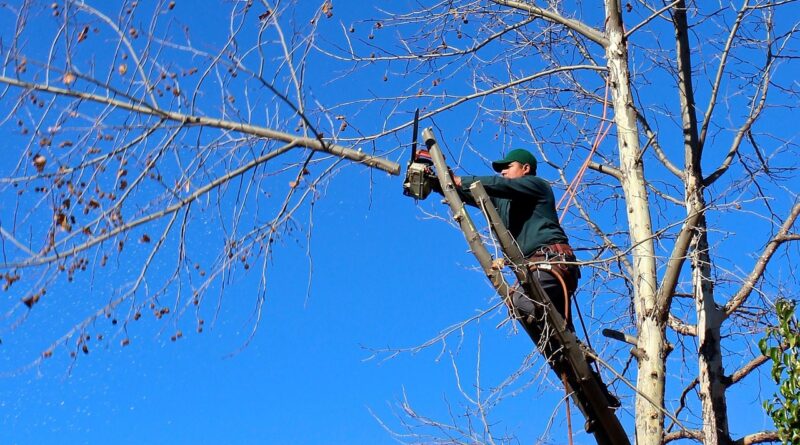
Professional chainsaw brands to compare for forestry, tree care and cordless work
Choosing among professional chainsaw brands is mainly a question of application, support and workflow. STIHL, Husqvarna and ECHO remain core names for forestry, tree service, land clearing and firewood operations. Makita, Milwaukee and DEWALT become more relevant when crews want battery-powered saws that fit broader cordless tool systems. Before comparing model numbers, buyers should confirm what the saw will cut most often, who will service it, which bars and chains are available locally, and whether gas or battery power fits the jobsite.
How to read a professional chainsaw brand comparison
A professional chainsaw is not defined only by displacement, bar length or price. In daily work, the brand decision often comes down to uptime, parts availability, dealer access, bar and chain compatibility, ergonomics, safety systems, and how well the saw fits an existing fuel or battery workflow.
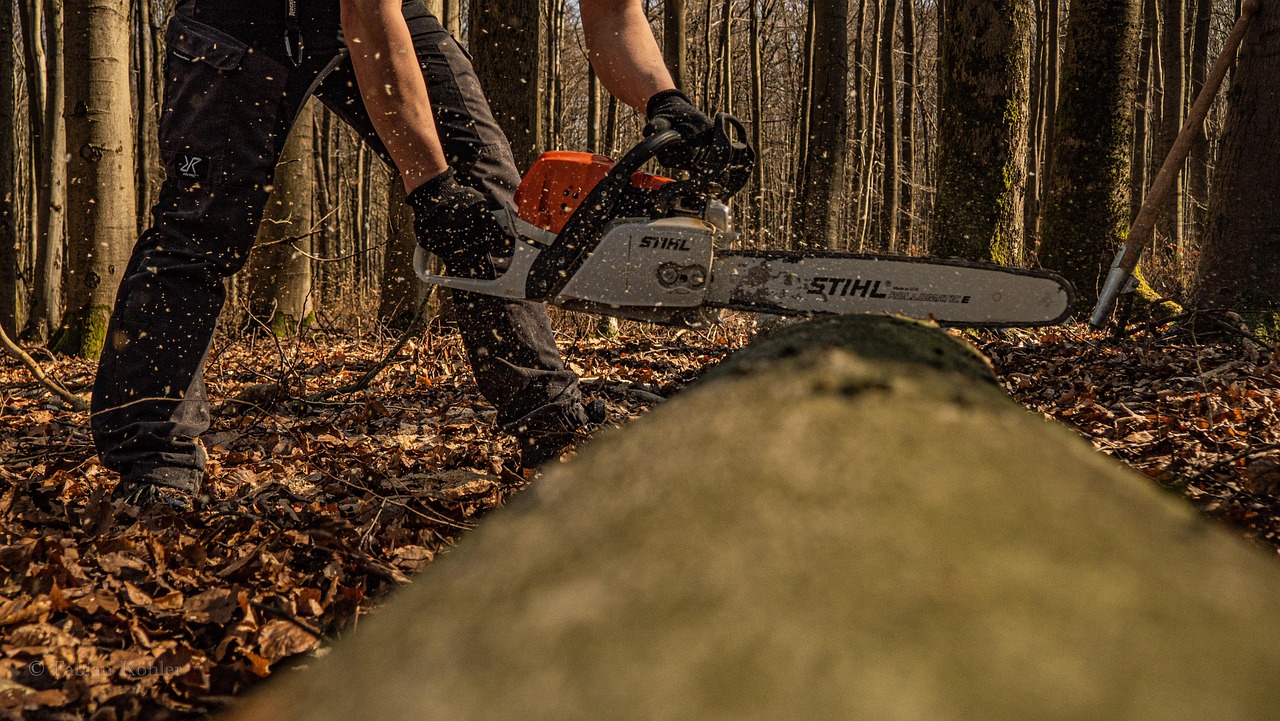
That is why a forestry contractor, climbing arborist, storm-cleanup crew and construction maintenance team may all choose different brands for valid reasons. A 70 cc gas saw for felling timber, a compact top-handle arborist saw and a cordless saw used around campuses or noise-sensitive sites can all be professional tools, but they solve different problems.
For more power tool brand comparisons and industry context, visit the Taodili Brands section.
Quick comparison of professional chainsaw brands
| Brand | Strong fit | Power direction | Buyer note |
|---|---|---|---|
| STIHL | Forestry, arborist work, land clearing, firewood operations | Gas and battery | STIHL’s own buying guide separates homeowner, farm and ranch, and professional chainsaws, with professional models positioned for logging, land clearing, tree service and high-volume cutting. (stihlusa.com) |
| Husqvarna | Logging, commercial cutting, arborist and heavy-duty cordless work | Gas and battery | Husqvarna’s U.S. professional chainsaw page lists professional models for logging and commercial use, including gas-powered and cordless options. (husqvarna.com) |
| ECHO | Tree removal, land clearing, property maintenance and value-conscious pro use | Gas and battery | ECHO positions its chainsaws as professional-grade tools for tree removal, land clearing and property maintenance. (echo-usa.com) |
| Makita | Cordless outdoor power equipment fleets and users moving away from gas | Battery-focused | Makita announced that it would discontinue engine product production on March 31, 2022, and focus resources on cordless products. (makita.biz) |
| Milwaukee | Battery chainsaws for tree care, trades and crews already on M18 tools | Battery-focused | Milwaukee describes its M18 FUEL 20-inch dual-battery chainsaw as a professional battery-powered saw for medium to heavy felling, bucking, limbing and stump cutting. (milwaukeetool.com) |
| DEWALT | Cordless jobsite, property maintenance and construction-adjacent cutting | Battery-focused | DEWALT’s 60V MAX cordless chainsaw line targets demanding outdoor cutting with brushless motors, auto-oiling and chain-brake features. (dewalt.com) |
Brands with the deepest forestry and tree-care identity
STIHL
STIHL is a common shortlist brand when the work involves logging, tree service, high-volume firewood cutting or professional land clearing. Its range covers compact arborist work, mid-size professional felling and larger forestry applications. Its battery range also gives crews an option for lower-noise work where a gas saw is less convenient.
The key point is not simply that STIHL makes professional saws. The brand separates saws by user type and application. Its buyer guidance places professional saws apart from homeowner and farm/ranch categories, which helps buyers avoid paying for too much saw or underbuying for daily commercial use. (stihlusa.com)
Husqvarna
Husqvarna is another central brand for professional forestry and tree-care buyers. Its professional chainsaw range includes traditional gas saws, top-handle arborist models and battery options. The U.S. professional chainsaw page describes the range as built for logging or commercial use and presents a broad catalog rather than a small number of isolated pro models. (husqvarna.com)
For buyers, Husqvarna’s appeal is the depth of its professional catalog. A crew can compare 50 cc class felling saws, climbing saws, heated-handle variants for cold-weather regions and cordless professional models within the same brand ecosystem. That can make standardizing parts, training and maintenance routines easier for larger crews.
ECHO
ECHO is often considered by users who want professional-grade capability without necessarily buying into the largest forestry-focused ecosystems. The brand’s chainsaw materials emphasize tree removal, land clearing and property maintenance, placing it in the professional and serious landowner conversation rather than only the occasional-use segment. (echo-usa.com)
For smaller tree services, farms and mixed maintenance crews, the case for ECHO often comes down to the balance between capability, price, local dealer support and model simplicity. As with any brand, the right choice depends on whether parts and service are accessible in the buyer’s region.
Battery-first professional chainsaw brands are now a separate lane
Battery chainsaws are no longer only light pruning tools. They are now part of professional workflows in arboriculture, municipal maintenance, landscaping, storm cleanup and noise-sensitive properties. They should still be compared differently from gas saws. Runtime, battery cost, charging logistics, heat management and fleet compatibility matter as much as bar length.
Makita
Makita matters in this category because its chainsaw strategy reflects a broader company shift. On October 30, 2020, Makita announced that it would discontinue production of engine products on March 31, 2022, and focus on cordless products and outdoor power equipment. That makes Makita less of a gas chainsaw alternative today and more of a cordless platform decision. (makita.biz)
For professional users already invested in Makita batteries, the brand can be attractive for landscape maintenance, pruning, cleanup and lighter tree-care tasks. Buyers looking for a traditional gas forestry lineup should recognize Makita’s current direction before comparing it with STIHL, Husqvarna or ECHO.
Milwaukee
Milwaukee has become more relevant to professional chainsaw buyers because the M18 battery system is already common in construction, electrical, mechanical and service trades. The company’s 20-inch M18 FUEL dual-battery chainsaw is promoted for tree-care professionals and medium to heavy cutting applications such as felling, bucking, limbing and stump cutting. Milwaukee states that the saw uses two M18 batteries and is recommended with FORGE XC8.0 packs. (milwaukeetool.com)
The practical advantage is platform consolidation. A contractor who already owns M18 chargers, batteries and service tools may prefer a compatible chainsaw for jobsite clearing or maintenance. The caution is that high-output battery chainsaws require multiple battery packs and disciplined charging if they are expected to work through a full day.
DEWALT
DEWALT’s cordless chainsaws are most relevant for users who already operate 20V MAX and 60V MAX tools. Its 60V MAX 18-inch chainsaw is described with a brushless motor, auto-oiling and chain brake for kickback protection, and DEWALT lists cordless models across pruning, compact and larger 60V categories. (dewalt.com) See also: Tool Categories.
This makes DEWALT a practical choice for property maintenance, construction-adjacent cleanup, storm debris, farm tasks and users who want a cordless saw without adopting a forestry-specific brand. It may be less suitable as the only platform for heavy commercial logging unless runtime, spare batteries and service support are carefully planned.
What matters more than the logo
Brand reputation helps narrow the list, but professional users should make the final decision around operating realities. A respected saw that cannot be serviced locally may create more downtime than a slightly less prominent model with strong dealer support nearby.
- Dealer and parts access: Check whether filters, sprockets, bars, chains, starters, batteries and chargers are available locally.
- Power class: Match saw size to the job. Oversized saws add fatigue; undersized saws slow production and may be pushed beyond their intended use.
- Bar and chain ecosystem: Professionals need consistent access to the right pitch, gauge, drive-link count and bar mount.
- Weight and ergonomics: A saw used all day should be evaluated for balance, vibration, handle position and starting or trigger behavior.
- Battery logistics: Cordless saws need enough charged packs to cover the work cycle, not just enough power for a few demonstration cuts.
- Safety features and training: Chain brakes, guards, chain catchers and protective equipment matter, but they do not replace skilled operation.
Safety deserves separate attention. The CDC updated its chain saw safety guidance on August 26, 2026, and notes that approximately 36,000 people are treated in hospital emergency departments each year for chain saw injuries. The same guidance emphasizes training, proper saw size, chain brakes, hand guards, chain catchers, PPE, safe distances and avoiding power lines. (cdc.gov)
Matching brand type to the job
| Job type | Brand direction to consider | Why it matters |
|---|---|---|
| Commercial logging and heavy felling | STIHL or Husqvarna gas professional ranges | These brands offer broad professional forestry lines, dealer ecosystems and high-output gas models for sustained cutting. |
| Climbing arborist work | STIHL, Husqvarna or ECHO top-handle/pro arborist models | Weight, control, top-handle design, service support and training are more important than maximum displacement. |
| Municipal and campus maintenance | Battery platforms such as Makita, Milwaukee, DEWALT, STIHL AP or Husqvarna battery | Lower noise, instant start and reduced engine maintenance can be valuable where crews make intermittent cuts. |
| Landscaping and property maintenance | ECHO, STIHL, Husqvarna, Makita, Milwaukee or DEWALT depending on dealer and battery ownership | The best fit depends on whether the crew prioritizes gas runtime, battery compatibility or low maintenance. |
| Storm cleanup | Professional gas saws plus selected cordless support saws | Gas remains practical for long cutting days, while cordless saws can help with quick access, limbing and smaller debris. |
Common mistakes when choosing a professional chainsaw brand
Buying by brand alone. A strong brand does not guarantee that every model fits every job. Compare the exact saw, bar length, chain type, weight, service requirements and intended duty cycle.
Ignoring maintenance. Gas saws require fuel-system care, air filters, spark plugs and regular tuning. Battery saws avoid many engine tasks but add battery management, charging infrastructure and pack replacement costs.
Overlooking local support. For professional users, downtime is expensive. A nearby dealer or reliable service center can be more valuable than a small performance advantage on paper.
Assuming battery equals light duty. Some modern cordless saws are clearly marketed for professional cutting. The better question is whether the crew can support the required batteries, chargers and workflow.
Treating safety features as a substitute for training. A chain brake, low-kickback chain or protective chaps can reduce risk, but safe cutting still depends on training, stance, planning, maintenance and site control.
Frequently asked questions
What are the main professional chainsaw brands?
For forestry and tree care, STIHL, Husqvarna and ECHO are commonly compared because they offer professional gas and/or arborist-oriented chainsaws. For cordless professional work, Makita, Milwaukee and DEWALT are also important, especially when buyers already own those battery platforms.
Are battery chainsaws professional enough for daily work?
Yes, in the right applications. Battery saws can be professional tools for arborists, landscapers, maintenance teams and trades. The limitation is not only cutting power; it is whether the crew has enough batteries, chargers and downtime planning for the full workday.
Which brand is best for logging?
For heavy logging, buyers usually start with established forestry-focused gas lines from brands such as STIHL and Husqvarna. The better choice depends on model class, local dealer support, available bars and chains, operator preference and service history rather than brand name alone.
Should a professional choose gas or battery?
Choose gas for long, remote, high-volume cutting where refueling is faster than charging. Choose battery for lower-noise work, intermittent cutting, indoor-adjacent sites, municipal work, landscaping routes and crews already standardized on a high-output battery system.
Is a top-handle chainsaw a good general-purpose saw?
No. Top-handle chainsaws are specialized tools intended for trained arborist use, especially in-tree work. Ground cutting is usually safer and more controlled with a rear-handle saw matched to the job.