
Best rechargeable lithium AA batteries for tools, lights and everyday gear
The short answer
The best rechargeable lithium AA batteries are not always the cells with the biggest number on the label. For tool accessories, inspection lights, laser levels, game controllers and smart devices, the better choice is usually a regulated 1.5V Li-ion AA cell that matches the device’s voltage requirement, can supply enough discharge current, uses a charger you will keep with the battery, and comes with credible safety information.
As of September 18, 2026, XTAR, Pale Blue, EBL and ANSMANN are among the better-documented options in public manufacturer materials. Even so, rechargeable lithium AA batteries remain more device-sensitive than ordinary NiMH AAs. In this guide, “best” means best for a specific use case, not one universal winner for every AA-powered product.
For more practical buying guides and tool power insights, visit the Taodili Insight section.
What rechargeable lithium AA really means
In battery listings, “lithium AA” can refer to different products. That is where many poor purchases start. A non-rechargeable lithium AA, such as a lithium iron disulfide primary cell, is a 1.5V disposable battery. A 14500 Li-ion cell is roughly AA-sized, but it normally operates around 3.6V to 3.7V nominal and can reach about 4.2V when fully charged. A modern rechargeable lithium AA made for ordinary AA devices is different again: it contains a Li-ion cell plus electronics that regulate the output to about 1.5V.
That internal converter is why these batteries can work well in devices that dislike the lower 1.2V nominal output of NiMH cells. It is also why they behave differently. Instead of fading gradually like alkaline batteries, many regulated 1.5V Li-ion AAs hold a steady voltage and then shut down quickly when depleted. That steady output can help devices that need alkaline-like voltage, but it can also make simple battery meters inaccurate unless the cell has a low-voltage indication feature or the device is designed for this discharge curve.
The key warning is simple: do not put an unregulated 3.7V 14500 Li-ion cell into a device that only specifies AA alkaline, NiMH or 1.5V lithium AA. The shape may fit, but the voltage can be more than double what the device expects.
Best picks by use case
The shortlist below is based on published manufacturer specifications and publicly available product documentation, not on Taodili in-house lab testing. Product availability, packaging and specifications can change, so check the current label, charger requirement and seller documentation before buying.
| Use case | Practical pick | Why it stands out | Check before buying |
|---|---|---|---|
| Best overall documented option | XTAR 1.5V AA 4150mWh with low-voltage indicator | XTAR publishes a 4150mWh energy rating, 2500mAh charge capacity, consistent 1.5V output, about 2.9-hour charging time, 1200+ cycle claim and low-voltage detection. | Use a compatible 1.5V Li-ion charger; do not assume every XTAR or universal Li-ion charger supports this cell type. |
| Best for simple USB-C charging | Pale Blue AA USB-C rechargeable batteries | Pale Blue lists 2550mWh, 1700mAh, 1.5V constant output, 90-minute charging, 1000+ cycle rating and integrated protection circuitry. | USB-C convenience is useful for travel, but capacity is lower than some dock-charged alternatives. |
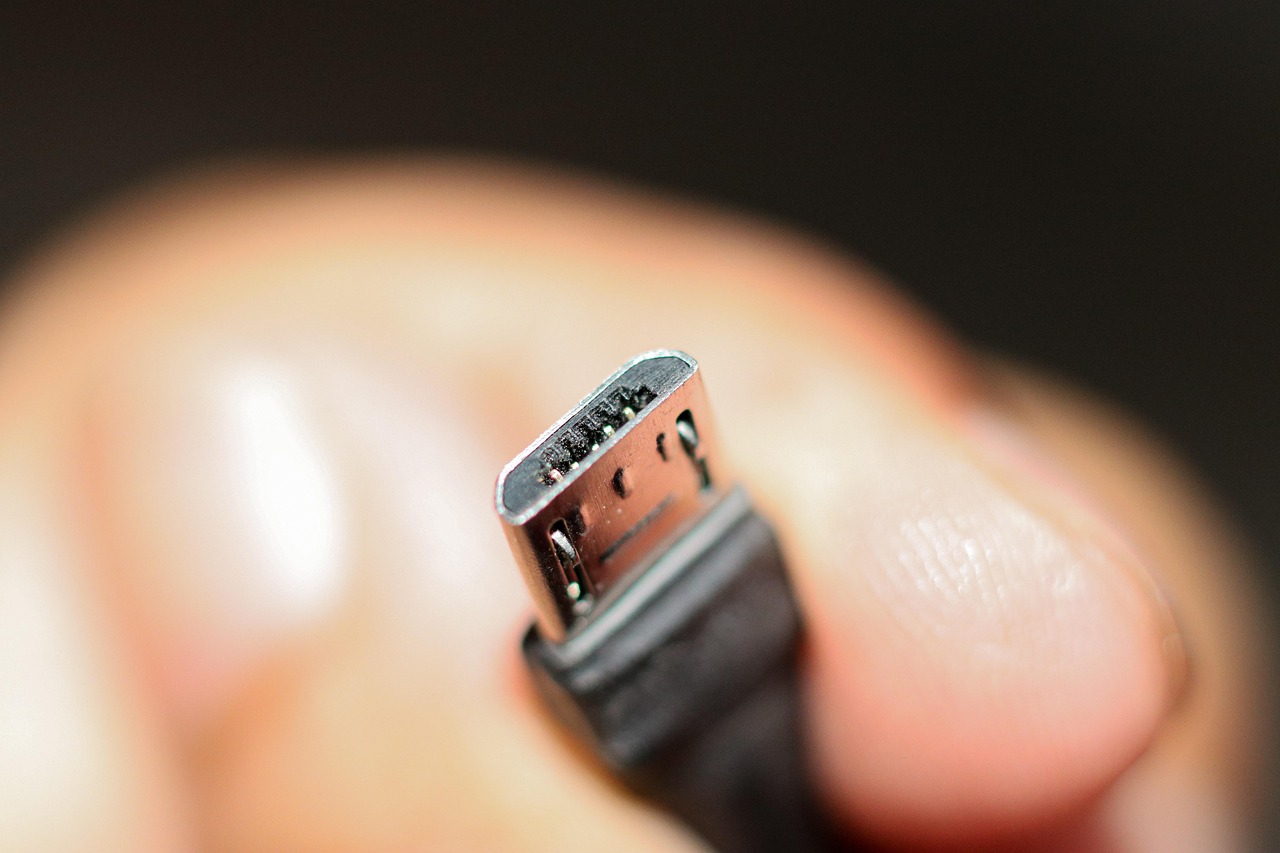
| Best USB multi-pack style option | EBL 1.5V AA USB rechargeable lithium cells | EBL lists 3300mWh, 2200mAh, 1.5V nominal output, about 2-hour charging and a stated maximum discharge current of 1.8A on its USB AA model. | Some versions use Micro USB rather than USB-C; verify connector type and discharge limit. |
| Best bulk kit approach | EBL 1.5V AA lithium kit with charger | EBL also lists 3000mWh charger-based AA Li-ion sets with 1200-cycle claims and built-in protection features. | Buy cells and charger as a matched system to reduce charging mistakes. |
| Best datasheet-driven option | ANSMANN 1.5V AA Li-ion USB-C style cell | Published datasheet information for ANSMANN-style 1.5V Li-ion AA cells includes 3.4Wh energy, 2000mAh nominal capacity, 2A maximum continuous discharge and 1200-cycle life expectancy under stated conditions. | Some USB-C cells are intended to be charged only through the port, not through the battery terminals. |
How to compare capacity without getting misled
Rechargeable lithium AA marketing often mixes mWh, mAh and voltage, which makes quick comparison difficult. In this category, mWh is usually the cleaner figure because it describes energy. A 3300mWh cell stores about 3.3Wh under the manufacturer’s stated test conditions. A 2550mWh cell stores about 2.55Wh. That does not automatically tell you runtime in your device, but it is more useful than comparing mAh numbers across different chemistries.
With NiMH AA cells, mAh ratings are normally based around a 1.2V nominal chemistry. With regulated 1.5V Li-ion AA cells, the internal electronics convert energy from the internal lithium cell to a 1.5V output. As a result, two batteries can show similar mAh numbers but deliver different usable energy, heat differently under load, or shut down at different points.
For tool-related accessories, maximum discharge current matters as much as headline capacity. A laser level, digital caliper, multimeter or remote sensor may draw modest current. A bright flashlight, motorized toy, camera flash or wireless device under peak load may demand more. If a battery’s protection circuit limits output at 1.5A to 2A, the device may shut off even when the cell still has energy left. That is not necessarily a defective battery; it may simply be a mismatch between the device’s current demand and the battery’s protection design.
Where lithium AA beats NiMH and where it does not
Rechargeable lithium AA batteries make the most sense when a device expects alkaline-like voltage and performs poorly with 1.2V NiMH cells. Examples include some wireless controllers, smart locks, sensors, cameras, compact lights and electronic accessories that show “low battery” too early on NiMH. A regulated 1.5V output can keep those devices operating normally for more of the discharge cycle.
They can also be convenient when users do not want to manage a separate charger. USB-C or Micro USB rechargeable AAs can be charged from common cables, which is useful in jobsite bags, camera kits and travel cases. For a contractor or DIY user who already carries USB power banks and chargers, this can reduce the number of charging accessories in the kit.
NiMH batteries still deserve a place. Good low-self-discharge NiMH AAs are widely available, relatively inexpensive, predictable and strong in many high-drain applications. They are often a better value for devices that are used heavily and do not mind 1.2V operation. They may also be a better fit for low-drain devices that sit for months, such as basic remotes and clocks, unless those devices specifically need 1.5V.
Disposable lithium AAs still have a role as well. For emergency kits, cold-weather backup lights and rarely used safety gear, a quality non-rechargeable lithium AA may offer long shelf life and reliable storage. Rechargeable lithium AA cells are better for repeated use, but not necessarily for every standby application. See also: Tool Categories.
Safety and compatibility checks before you buy
Because these are lithium-ion products with protection electronics, buying from an unknown listing purely on price is risky. The U.S. Consumer Product Safety Commission lists battery-related hazards such as overheating, fire, electrical shock from chargers, thermal burns and incidents during use, storage and charging. That does not mean reputable rechargeable lithium AA cells are unsafe; it means charger quality, protection circuitry and correct use matter.
- Confirm the voltage. Choose regulated 1.5V rechargeable lithium AA cells for ordinary AA devices. Do not substitute 3.7V 14500 cells unless the device manual explicitly allows them.
- Use the right charger. A NiMH-only charger is not automatically suitable. A 3.7V Li-ion charger is not automatically suitable either. Follow the battery maker’s charging instructions.
- Keep matched sets together. In devices using two, four or more AAs, avoid mixing lithium, NiMH, alkaline, old cells and new cells in the same battery compartment.
- Watch heat and shutdown behavior. If a flashlight, camera, controller or tool accessory becomes unusually hot or repeatedly cuts out, stop using that battery in that device.
- Look for real safety documentation. Useful references include protection-circuit details, UN38.3 transport testing statements, credible certification markings, a datasheet and a clear warranty or support channel.
- Do not use damaged cells. Dented wrappers, swelling, rust, leakage, burnt smell, melted ports or cells that will not charge normally are reasons to retire the battery.
The U.S. EPA advises that lithium-ion batteries should not be placed in household trash or ordinary curbside recycling because damaged cells can create fire hazards in collection and sorting systems. Tape the terminals or bag cells individually before taking them to a proper battery collection point or household hazardous waste program. For air travel, FAA guidance generally requires spare lithium batteries to be protected against short circuits and carried in carry-on baggage, subject to airline rules.
Buying checklist for tool owners
For a power-tool website audience, the important point is that AA batteries rarely power the main motor of a modern cordless tool. They are more likely to power accessories: laser distance meters, stud finders, moisture meters, inspection lights, headlamps, flashlights, thermometers, remote controls, jobsite radios, measuring tools and small test instruments. Those devices vary widely in current draw and voltage tolerance.
Before choosing the best rechargeable lithium AA batteries for your kit, run through this checklist:
- Read the device manual. If it says alkaline only, rechargeable cells may still work, but the safest assumption is to follow the manufacturer’s recommendation for critical equipment.
- Decide whether 1.5V matters. If NiMH cells work well, lithium AA may not save enough trouble to justify the higher cost.
- Compare energy in mWh. Higher mWh can mean longer runtime, but only if the battery can supply the required current.
- Check maximum discharge current. For lights and motorized devices, this can matter more than headline capacity.
- Choose a charging system. USB cells are convenient; dock-charged cells can be neater for larger sets.
- Check low-battery behavior. Low-voltage indication is valuable in tools and lights because regulated cells can otherwise appear full until they stop.
- Buy enough matched cells. If your laser level uses four AAs, buy at least two complete matched sets so you can rotate them cleanly.
Frequently asked questions
Are rechargeable lithium AA batteries better than NiMH?
They are better when a device needs a steady 1.5V output or rejects 1.2V NiMH too early. NiMH remains a strong choice for cost, availability and many high-drain uses. The better battery is the one that matches the device.
Can I use a 14500 battery instead of a rechargeable lithium AA?
No, not unless the device manual specifically allows 14500 Li-ion cells. A 14500 cell is typically a 3.7V lithium-ion battery, while ordinary AA devices are usually designed around 1.5V alkaline or 1.2V NiMH cells. Physical size is not enough to prove compatibility.
Why does my battery meter stay full and then suddenly die?
That is common with regulated 1.5V Li-ion AA batteries. The voltage stays flat for much of the discharge cycle, so simple battery meters may not see the gradual decline they expect from alkaline or NiMH cells. Cells with low-voltage indication can reduce the surprise.
Are USB-C rechargeable AA batteries worth it?
They are worth it if charging convenience matters more than maximum capacity. USB-C cells are useful for travel, jobsite bags and emergency kits, but some dock-charged cells offer higher published energy ratings.
Can rechargeable lithium AA batteries go in smoke alarms?
Only if the smoke alarm manual permits that battery type. Safety devices often specify exact chemistries. Do not rely on a battery seller’s general compatibility claim for alarms, medical devices or critical safety equipment.
Bottom line
If you want one practical starting point, choose a well-documented regulated 1.5V Li-ion AA from a brand that publishes clear specifications, charger requirements and protection details. On published specs, XTAR’s 4150mWh low-voltage-indicator model is the strongest all-around option. Pale Blue is attractive for USB-C convenience. EBL offers accessible multi-pack and kit options. ANSMANN-style datasheet-backed cells are worth considering when formal electrical limits matter. In the end, the best rechargeable lithium AA batteries are the ones your device can use safely, at the current it needs, with a charging method you can manage consistently.