
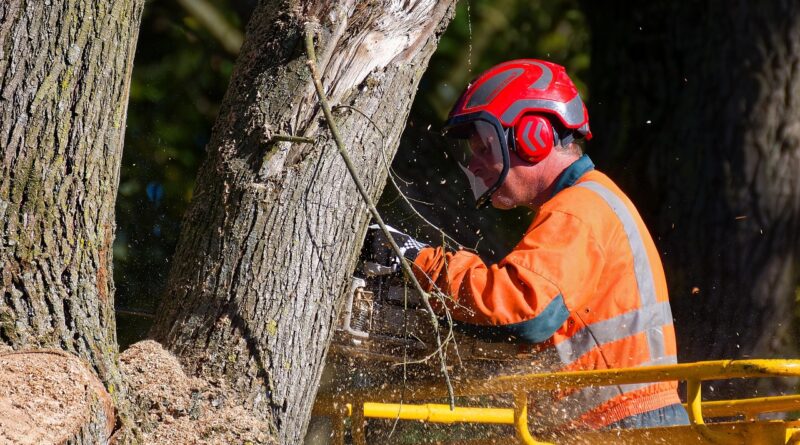
Top gas chainsaw brands for homeowners, landowners, and pros
What counts as a top gas chainsaw brand?
For U.S. buyers, the most defensible shortlist of top gas chainsaw brands is STIHL, Husqvarna, and ECHO. All three still support active gas-powered chainsaw ranges, cover homeowner through professional use cases, and have enough dealer, parts, and service presence to matter after the sale. That does not make any one brand the best choice for every user. A homeowner clearing storm debris, a landowner cutting firewood, a ranch operator, an arborist, and a logging crew can all need different saws, even when they are comparing the same brand names.
This guide treats “top” as a practical buying category, not a lab-test ranking. The comparison is based on current public product information, brand policy pages, safety standards, and the realities of owning a two-stroke saw: parts availability, service access, warranty terms, fuel requirements, bar-and-chain compatibility, and whether a company is still investing in gas models. It also separates active gas chainsaw brands from respected legacy names that may make more sense for used-equipment buyers.
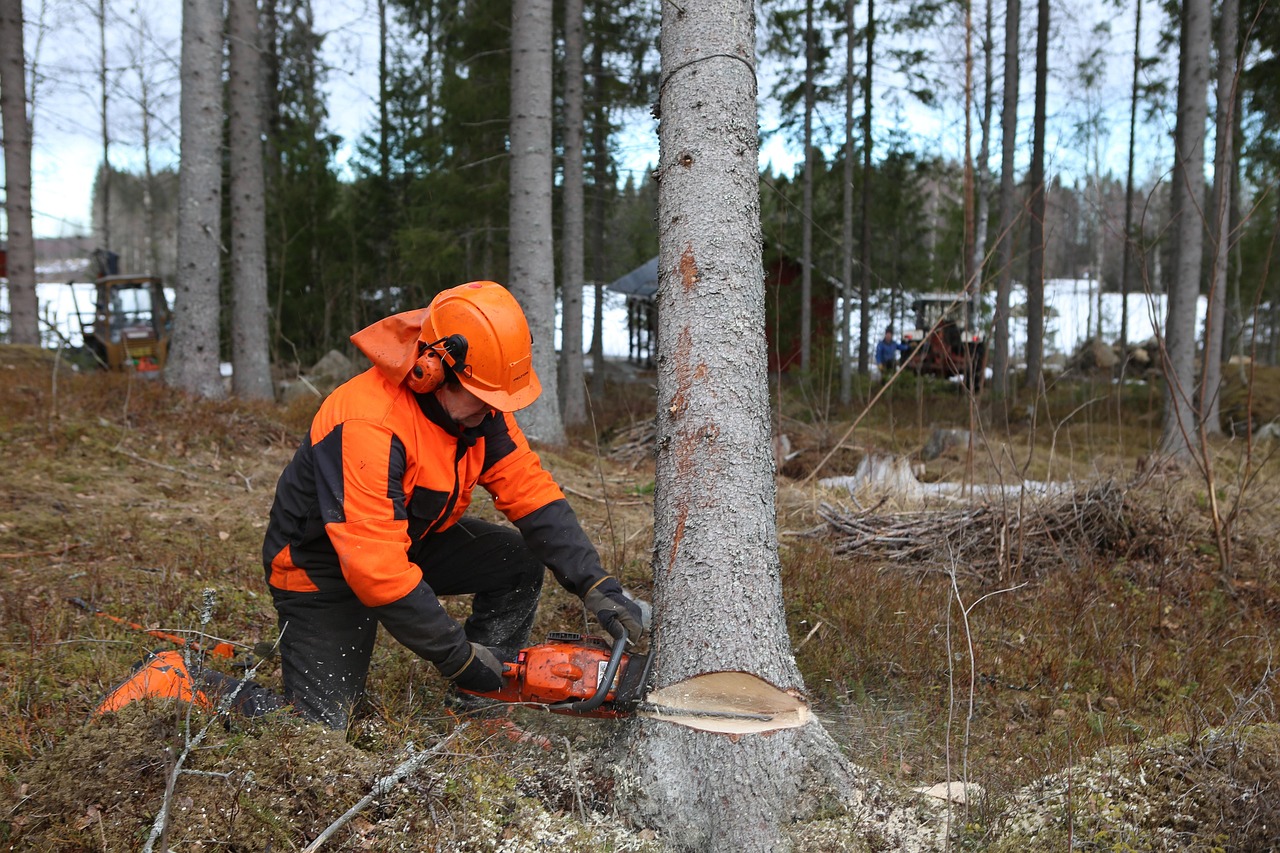
The leading gas chainsaw brands to compare first
STIHL
STIHL is often the first brand many buyers compare because its gas chainsaw range spans light homeowner saws, farm and ranch models, and professional forestry saws. Its U.S. product guidance groups chainsaws by user type, including homeowner, farm and ranch, and professional categories. That structure is useful because it steers buyers away from choosing only by bar length or engine displacement.
For professional and demanding property work, STIHL models such as the MS 261 show the brand’s main appeal: a purpose-built professional gas saw with a strong power-to-weight focus, long service intervals, and electronic carburetion options on selected versions. For homeowners, smaller STIHL gas saws are often chosen for dealer setup, local service, and straightforward parts support rather than the lowest upfront price.
The main limitation is that warranty terms and purchase channel matter. STIHL’s U.S. gasoline-powered chainsaw warranty policy has historically distinguished between household use and commercial or income-producing use, with shorter coverage for commercial use. Buyers should confirm the exact current policy with an authorized dealer at purchase, especially if the saw will be used for paid work, farm operations, or rental-like use.
Husqvarna
Husqvarna is the other major professional benchmark in gas chainsaws. The company’s chainsaw history goes back to its first chainsaw in 1959, and its current range covers residential, ranch, and XP-series professional models. Husqvarna is especially strong for buyers who want familiar ranch saws and serious professional forestry options under the same brand.
Models such as the 450-series Rancher saws are commonly positioned for landowners and firewood users, while XP models such as the 550 XP Mark II are aimed at professional forestry and tree-care crews. Husqvarna’s published specifications for professional saws make it easier to compare displacement, output, chain speed, bar range, and weight across models. That transparency helps when a buyer is deciding whether to move up from a farm/ranch saw to a professional chassis.
Husqvarna also offers warranty-related programs tied to approved premixed fuel in some U.S. consumer situations. Those programs can be valuable, but they do not mean every saw receives the same coverage in every use case. Commercial, rental, agricultural, and income-producing use may be treated differently from household use, so the warranty should be read as part of the purchase decision.
ECHO
ECHO belongs on any current gas chainsaw brand list because it still offers a broad gas-powered range and has a strong value reputation among landowners, grounds crews, and serious homeowners. Its lineup includes smaller rear-handle saws, top-handle arborist saws, and larger farm and ranch models such as the CS-590 Timber Wolf. The CS-590’s published 59.8 cc displacement and 20-inch standard bar positioning make it a common comparison point for buyers who want more saw than a light residential model without immediately moving into the highest-priced professional category.
ECHO’s warranty structure is also part of its appeal. Public ECHO warranty charts have listed five-year consumer and one-year commercial coverage for gas chainsaws, which is often more generous than some competing gas-saw warranties for non-commercial users. As always, the value depends on buying from an eligible seller, registering when required, using the correct fuel mix, and following the maintenance instructions.
The tradeoff is local dealer density. In some regions, STIHL or Husqvarna service may be easier to find; in others, ECHO support is strong. A buyer who does not personally maintain carburetors, fuel lines, chains, bars, sprockets, and air filters should weigh service access as heavily as engine size.
Quick comparison by buyer type
| Buyer type | Brands to compare first | What matters most |
|---|---|---|
| Occasional homeowner | STIHL, ECHO, Husqvarna | Easy starting, safe handling, modest weight, dealer setup, and a bar length matched to pruning and storm cleanup. |
| Firewood cutter or landowner | Husqvarna, STIHL, ECHO | Durability, 18- to 20-inch capability, chain availability, fuel stability, and enough power for repeated bucking. |
| Farm and ranch user | STIHL, Husqvarna, ECHO | Service network, parts supply, anti-vibration design, air filtration, and warranty terms for non-household use. |
| Professional forestry or tree care | STIHL, Husqvarna, selected ECHO professional models | Power-to-weight ratio, rebuildability, daily service access, professional dealer support, and compliance with jobsite rules. |
| Arborist top-handle use | Professional top-handle models only | Training, safe work positioning, chain brake function, lightweight handling, and employer or site requirements. |
What brand rankings often miss
Many chainsaw lists focus on horsepower, bar length, and price. Those details matter, but they do not tell the whole ownership story. Gas chainsaws are maintenance-heavy tools. A good saw that sits with stale fuel, a dirty air filter, a dull chain, or a damaged bar can perform worse than a less expensive saw that is maintained correctly.
The first hidden factor is dealer support. If a nearby shop can tune the carburetor, source clutch parts, replace a chain brake component, and supply the correct chain loop quickly, that brand becomes more valuable. This is why local professionals often stay loyal to one brand even when another model looks better on paper.
The second factor is chassis class. Two saws with similar displacement may not be built for the same workload. A lighter homeowner saw can be easier to handle for storm cleanup, while a professional saw may justify its price through serviceability, cooling, filtration, and daily durability. Buyers should compare the intended use category, not just cubic centimeters.
The third factor is whether the brand is still active in gas equipment. Makita and Dolmar are important names in chainsaw history, and some used models are still respected. However, Makita announced the termination of engine-powered equipment production effective March 31, 2022, as part of a shift toward cordless outdoor power equipment. For a new gas chainsaw buyer in 2026, that makes Makita/Dolmar more of a legacy or used-market consideration than a primary current gas-brand recommendation. See also: Tool Categories.
Safety, fuel, and emissions should influence the brand choice
A chainsaw brand comparison should include safety and compliance, not only cutting speed. In the United States, OSHA’s logging rules require chain saws placed into service after the relevant effective date to have a chain brake and meet ANSI B175.1 requirements for gasoline-powered chain saws. Current safety references also point buyers toward modern kickback-reduction features, proper guards, chain catchers, throttle lockouts, and personal protective equipment.
The current ANSI/OPEI B175.1-2025 standard, including Addendum 1-2026, covers internal-combustion hand-held chain saw safety and environmental requirements. For buyers, the practical takeaway is simple: do not remove or disable safety devices, do not buy a questionable saw with a missing chain brake, and do not treat a low price as a substitute for compliance.
Fuel is another brand-selection issue. Modern two-stroke gas chainsaws are sensitive to stale fuel and high ethanol blends. STIHL and ECHO both publish warnings around ethanol content, and ECHO’s CS-590 specifications, for example, call for a 50:1 gasoline/oil ratio and warn against E15 and E85. Many saw problems blamed on a brand are actually caused by fuel storage, incorrect mix, or missed maintenance.
Emissions rules also shape the market. EPA standards for small spark-ignition engines regulate exhaust and evaporative emissions, and Phase 3 exhaust standards took effect in 2011 or 2012 depending on engine size. That is one reason modern gas saws often emphasize cleaner running, fuel efficiency, and more controlled engine management than older two-stroke tools.
How to choose among STIHL, Husqvarna, and ECHO
Start with the work, then choose the brand and model. If most cuts are small branches and occasional storm debris, a lighter residential gas saw or even a battery saw may be more useful than a heavy ranch model. If the job is regular firewood cutting, a mid-size gas saw with an 18- or 20-inch bar range is usually a more practical target. If the saw will run for hours at a time, professional chassis, filtration, vibration control, and dealer repair speed become more important than a low purchase price.
- Check local service first. The best brand on paper is less attractive if the nearest authorized service center is far away or backed up during storm season.
- Match bar length to real wood size. Oversizing the bar can add weight and reduce control. Many landowners are better served by a sharp 18- or 20-inch setup than by chasing the longest bar a saw can mount.
- Budget for safety gear. Chaps or chainsaw pants, helmet or face protection, hearing protection, gloves, and boots should be part of the purchase, not an afterthought.
- Read the warranty by use case. Household, farm, commercial, rental, and professional use may not receive the same coverage.
- Plan for maintenance. Fuel mix, bar oil, files, extra chains, spark plugs, air filters, and storage fuel are part of the real cost of ownership.
For more power-tool brand guides and category comparisons, visit the Taodili Brands section.
Frequently asked questions
Are STIHL and Husqvarna better than ECHO?
Not automatically. STIHL and Husqvarna have very strong professional reputations and broad dealer networks, while ECHO often competes well on value, warranty coverage for consumers, and practical farm/ranch performance. The better choice depends on the model, local service, and how often the saw will be used.
Are gas chainsaws still worth buying?
Yes, for heavy firewood cutting, remote work, storm cleanup, and professional forestry tasks where runtime and refueling speed matter. Battery chainsaws continue to improve, but gas saws remain relevant when long sessions, larger wood, and field refueling are priorities.
Is Makita still a top gas chainsaw brand?
Makita and Dolmar gas saws still have supporters in the used market, but Makita ended production of engine-powered equipment in 2022. For buyers shopping new gas chainsaws today, STIHL, Husqvarna, and ECHO are more practical brands to compare first.
What size gas chainsaw is best for firewood?
Many homeowners and landowners cutting typical firewood look at mid-size saws that can comfortably run an 18- or 20-inch bar. Very small saws can be slow for repeated bucking, while oversized saws add weight and fatigue. The right size depends on wood diameter, cutting frequency, and operator experience.
Should I choose a chainsaw by brand or specifications?
Use both. Brand determines dealer support, parts access, warranty terms, and long-term ownership experience. Specifications determine whether the saw fits the job. A well-supported mid-size saw with the right bar and sharp chain is often a better purchase than a larger saw chosen only for its brand name.