

Power tool saw types and how to choose the right saw for each cut
Quick answer by cut type
Buyers comparing power tool saw types usually have a specific cut in mind. Start with the cut direction, material and accuracy requirement, then look at brand, motor size and extra features. A circular saw is the flexible choice for straight cuts in lumber and sheet goods. A miter saw is built for repeatable crosscuts and angled trim cuts. A table saw is best for accurate ripping and repeated workshop cuts. A jigsaw handles curves and interior cutouts. A reciprocating saw is mainly for demolition and rough cutting. Band saws, scroll saws, tile saws, cut-off saws and chainsaws serve more specialized work.
- Long straight cuts in wood sheets: circular saw, track saw or table saw.
- Repeated crosscuts in boards or trim: miter saw or sliding compound miter saw.
- Curves and cutouts: jigsaw, band saw or scroll saw, depending on scale and precision.
- Demolition and remodeling: reciprocating saw.
- Firewood, pruning and outdoor cutting: chainsaw or pole saw.
- Tile, concrete, masonry or metal: use a saw and blade rated specifically for that material.
The two main groups of power saws
Power saws fall into two practical groups: portable saws that move to the work, and stationary or bench saws that bring the workpiece to the blade. The difference affects accuracy, setup time, storage, dust control and how safely the material can be supported.
| Saw group | Typical examples | Best use | Main limitation |
|---|---|---|---|
| Handheld and portable | Circular saw, track saw, jigsaw, reciprocating saw, chainsaw | Jobsite work, remodeling, sheet goods and cuts where the workpiece is too large to move easily | Accuracy depends heavily on guides, layout, blade choice and user control |
| Bench and stationary | Table saw, miter saw, band saw, scroll saw, tile saw | Repeatable cuts, workshop accuracy, controlled feed and cleaner setup | Less portable, requires more space and stronger workpiece support |
This article is part of the Tool Categories section, so the focus is on tool selection and practical differences rather than promoting any one model. Safety context is based on established guidance from organizations such as OSHA and the U.S. Consumer Product Safety Commission, but users should still follow the manual for the specific tool, blade and material they use.
Common handheld power saw types
Circular saw
The circular saw is the general-purpose workhorse of portable cutting. It uses a rotating round blade and is commonly used for framing lumber, plywood, OSB, deck boards and other straight cuts. It can make rip cuts along the grain, crosscuts across boards and bevel cuts when the base plate tilts.
A circular saw is often the first serious power saw for DIY users because it is portable, affordable and capable. Its weak point is accuracy, which depends on setup. For cleaner work, use a straightedge, speed square or guide rail, support both sides of the cut and match the blade to the material. A framing blade cuts quickly but leaves a rougher edge; a fine-tooth plywood or finish blade cuts more slowly but usually leaves less tear-out.
Track saw
A track saw is a plunge-cut circular saw designed to run on a guide rail. It is popular for breaking down plywood, MDF, laminated panels and large sheet goods where a table saw may be inconvenient or unsafe for one person to manage. The guide rail improves straightness, while the plunge action helps start cuts away from an edge.
Track saws are usually more accurate and cleaner than a basic circular saw used freehand. They are also easier to store than a cabinet table saw. The tradeoff is cost and speed: for repeated narrow rips, a table saw remains more efficient.
Jigsaw
A jigsaw uses a narrow reciprocating blade to cut curves, notches, sink openings, holes in panels and lighter straight cuts. It is one of the most versatile saws for irregular shapes. Orbital action settings can make rough cuts faster, while slower speed and the right blade improve control in metal, plastic or laminate.
The jigsaw is not the best choice for long, perfectly straight cuts because the blade can flex. For visible edges, use a fine blade, support the workpiece and avoid pushing too hard. A down-cut or reverse-tooth blade can help reduce chipping on certain finished surfaces.
Reciprocating saw
A reciprocating saw is designed for aggressive cutting in demolition, remodeling and rescue-style access work. Its straight blade moves back and forth, making it useful for cutting framing members, nails, pipe, drywall, tree roots and old fixtures when precision is less important than access.
Blade choice is critical. Wood blades, nail-embedded wood blades, metal blades and carbide grit blades are not interchangeable in performance. A reciprocating saw can cut many materials, but it is rough, vibrates heavily and can damage surrounding surfaces if the shoe is not held firmly against the work.
Compact circular saw
Compact circular saws use smaller blades and lighter bodies for overhead work, quick panel cuts and tight spaces. They can be useful for occasional DIY work, flooring, thin boards and small sheet material. Their limitation is cutting depth and power. They are not a direct replacement for a full-size circular saw when cutting thick lumber or heavy framing material.
Chainsaw and pole saw
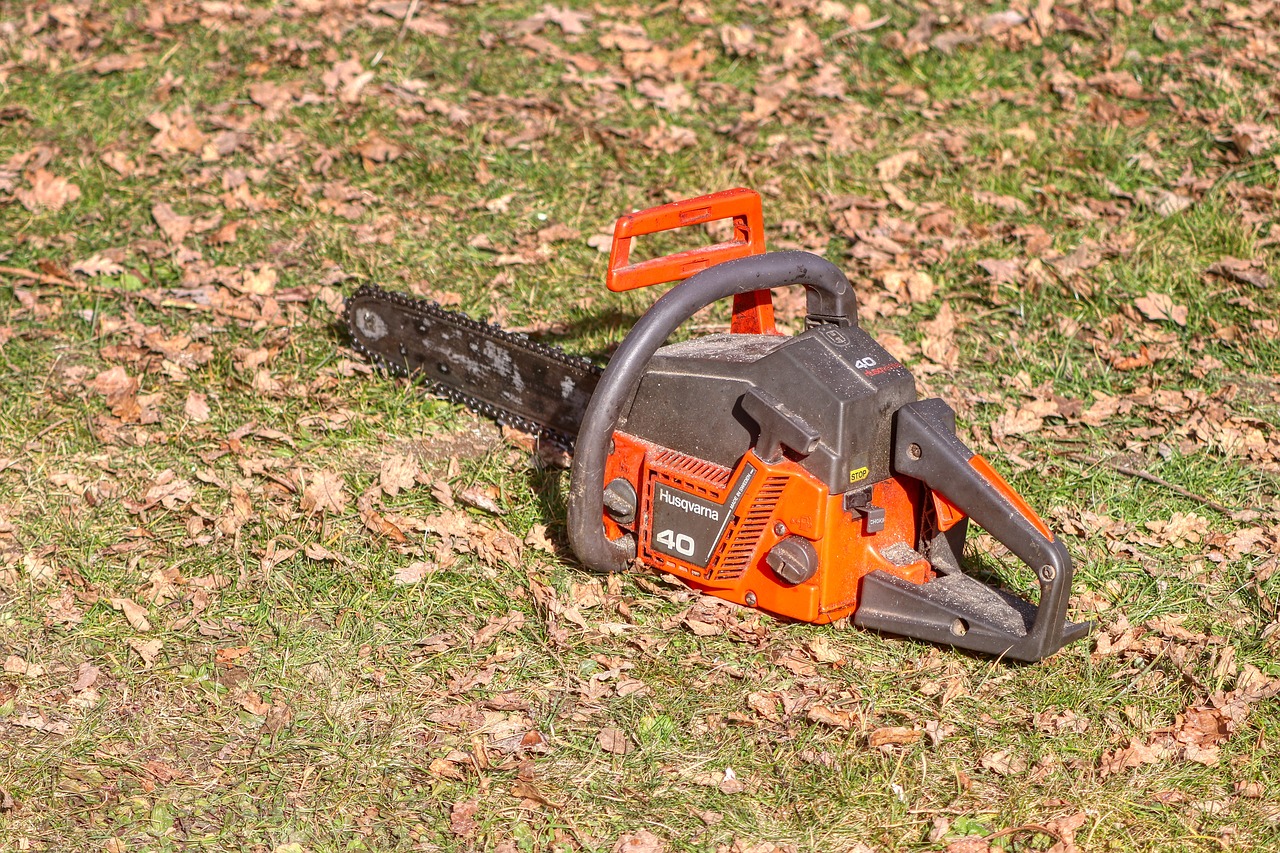
Chainsaws cut with a chain running around a guide bar rather than a circular blade. They are built for logs, branches, tree work and outdoor cutting. Electric and battery chainsaws are increasingly common for property maintenance because they reduce fuel handling and start easily, while gas chainsaws remain common for heavier cutting and remote work.
A pole saw extends a smaller chainsaw head for pruning from the ground. It is useful for branches but not a substitute for professional tree work near power lines, unstable limbs or elevated positions.
Bench and workshop saw types
Table saw
The table saw is one of the most important woodworking saws because it excels at straight, repeatable cuts. The blade rises through a table, while the user pushes the workpiece past the blade using a fence, miter gauge, sled or other guide. It is especially strong for ripping boards to width, cutting sheet goods to repeatable sizes and making dados or rabbets when the saw and local rules allow the correct blade setup.
Table saws demand respect. A riving knife, blade guard, anti-kickback pawls, push sticks and correct fence alignment are not optional details; they are part of controlled cutting. Historical CPSC materials have identified table saw blade contact injuries as a major consumer safety issue, which is why safety systems, guards and active injury mitigation have received continued attention in the category.
Miter saw
A miter saw brings a circular blade down onto a stationary workpiece. It is built for crosscuts, miters and bevels in trim, molding, framing lumber and flooring. A compound miter saw tilts for bevel cuts, while a sliding compound miter saw adds rails so the blade can cut wider boards.
The miter saw is not designed for long rip cuts. Its strength is repeatability: set a stop block and it can cut many boards to the same length. For clean finish work, blade tooth count, workpiece support and clamping matter as much as the saw itself.
Band saw
A band saw uses a continuous loop blade running over wheels. In woodworking, it is useful for curves, resawing boards into thinner pieces, cutting small parts and shaping irregular profiles. In metalworking, dedicated metal-cutting band saws use slower blade speeds and suitable blades for stock, tubing and bar.
Band saws are safer for some curved cuts than forcing curves on a table saw, but they still require proper blade tension, guide adjustment and feed control. A narrow blade turns tighter curves; a wider blade tracks straighter and is better for resawing. See also: Brands.
Scroll saw
A scroll saw is a fine-detail saw for intricate curves, craft work, fretwork, thin wood and small decorative parts. It uses a thin short blade and typically cuts more slowly than a band saw. Its advantage is control and the ability to make internal cuts after drilling a starter hole.
Scroll saws are not production tools for thick stock. They are chosen for detail, not speed. For small parts, they are often easier to control than a jigsaw because the table supports the work while the blade stays in one cutting zone.
Tile saw, cut-off saw and chop saw
Tile saws commonly use a diamond blade and water to cut ceramic, porcelain and stone tile. The water helps cool the blade and reduce dust, but the setup is wetter and slower than woodcutting tools. A dry-cut masonry saw or concrete saw is a different class of tool and requires dust control, respiratory protection and a blade rated for the material.
Cut-off saws and metal chop saws are used for steel, rebar, pipe and other metal stock. Some use abrasive wheels; others use carbide-tipped cold-cut blades. A wood miter saw should not be treated as a universal metal saw unless the manufacturer and blade specifications clearly allow the material, speed and guarding arrangement.
How to choose by material and cut quality
Choosing among power tool saw types becomes much easier when you define the material first. Wood, metal, plastic, tile and masonry create different heat, dust, chip and blade-load conditions. A saw that works well in pine framing lumber may be unsafe or ineffective on steel, porcelain tile or concrete.
- Dimensional lumber: circular saws, miter saws and table saws cover most framing and shop needs.
- Plywood and sheet goods: circular saws with guides, track saws and table saws are the main choices.
- Trim and molding: miter saws provide controlled angle cuts and repeatable length.
- Curved wood cuts: jigsaws handle site work; band saws and scroll saws improve control in a shop.
- Metal: use a saw and blade rated for the metal type, thickness and speed range.
- Tile and masonry: tile saws, masonry saws or concrete saws require suitable diamond blades and dust or water control.
- Plastic and laminate: use sharp blades, controlled speed and good support to reduce melting, cracking or chipping.
Cut quality also depends on the blade. Tooth count, tooth geometry, kerf width, blade diameter, arbor size, maximum RPM and material rating all affect the result. A rough framing blade is not the right blade for cabinet panels, and a fine plywood blade is not ideal for fast demolition. Before buying a new saw, check whether blades for your intended material are easy to find and properly rated for the tool.
Safety features and limits worth checking
Every saw combines a motor, blade and cutting path, so safety features should be part of the buying decision. OSHA rules for portable powered circular saws require upper and lower guards on qualifying saws, and the lower guard must return to the covering position when the tool is withdrawn from the work. That rule applies in workplace contexts, but it is also a useful reminder for any buyer: a missing, sticking or modified guard is a serious warning sign.
For table saws, look for a riving knife that rises and lowers with the blade, a functional blade guard, anti-kickback devices, push stick compatibility and a stable fence. For miter saws, check the blade guard, electric brake, clamp, bevel lock and the ability to support long stock. For jigsaws and reciprocating saws, look at trigger control, shoe adjustment, blade-change security and vibration.
Dust and noise also matter. Wood dust, silica dust from masonry and metal sparks create different hazards. A dust port is useful only if it matches a suitable extractor or vacuum setup. Hearing protection, eye protection and appropriate respiratory protection may be needed even for short cuts. The safest saw is not simply the most powerful one; it is the one that can be controlled, supported and guarded for the cut being made.
A practical selection checklist
Use this checklist before buying or choosing a saw for a project:
- Define the material. Is it solid wood, plywood, laminate, metal, tile, masonry, plastic or mixed demolition material?
- Define the cut. Do you need a rip, crosscut, bevel, miter, curve, plunge cut, notch or rough removal cut?
- Decide where the work happens. Large panels and jobsite cuts often favor portable saws; repeatable shop cuts often favor bench tools.
- Set the accuracy requirement. Framing tolerances are different from cabinet, trim or tile tolerances.
- Check blade availability. Make sure the correct blade size, arbor, tooth pattern and material rating are common and affordable.
- Review safety features. Guards, brakes, riving knives, clamps, dust collection and stable support can matter more than extra power.
- Think about storage and transport. A table saw may be ideal in a shop but impractical in a small apartment or mobile repair kit.
If you are building a basic set, many users start with a circular saw for straight portable cuts, add a jigsaw for curves and cutouts, then choose either a miter saw or table saw depending on whether crosscuts or ripping are more common. Specialists then add track saws, band saws, scroll saws, tile saws, metal-cutting saws or chainsaws as the work demands.
Frequently asked questions
What are the main power tool saw types?
The main types are circular saws, track saws, jigsaws, reciprocating saws, table saws, miter saws, band saws, scroll saws, tile saws, cut-off saws and chainsaws. They differ by blade motion, workpiece support, material rating and the kind of cut they make best.
Is a circular saw or jigsaw better for beginners?
A circular saw is usually better for straight cuts in boards and sheet goods. A jigsaw is better for curves, holes and irregular shapes. Many beginners eventually need both because they solve different cutting problems.
Do I need a table saw if I already have a circular saw?
Not always. A circular saw with a good guide can break down sheet goods and make many straight cuts. A table saw becomes more valuable when you need repeated rips, narrow strips, precise sizing or shop-based woodworking accuracy.
Can one saw cut wood, metal and tile?
Some saws can cut multiple materials when fitted with the correct blade, but no saw should be treated as universal by default. Always check the tool manual, blade rating, maximum RPM and guarding requirements before cutting a different material.
Which power saw should I buy first?
For general home repair and basic carpentry, a circular saw is often the most flexible first choice. If your work is mostly trim and repeated board lengths, a miter saw may be more useful. If your priority is furniture or cabinet-style ripping, a table saw or track saw may come earlier in the buying order.