

How to choose a combo power tool set for home and jobsite work
Quick answer
A combo power tool set is worth considering when the tools in the box match the work you actually do and the battery platform gives you room to add more tools later. For most homeowners and many trade users, the most useful starter set includes a drill/driver, an impact driver, at least two lithium-ion batteries, and a charger.
Larger sets can add value when they include tools you will use often, such as a circular saw, reciprocating saw, oscillating multi-tool, grinder, or work light. The common mistake is buying by tool count alone. A six-tool kit with small batteries and rarely used tools may be less useful than a compact two- or four-tool kit with stronger batteries, better ergonomics, and a platform that supports future bare-tool purchases.
This guide explains how to evaluate a kit before buying: what should be in the box, how battery platforms affect long-term cost, which specifications matter, and which safety details deserve attention.
What a combo power tool set usually includes
A combo set is a bundle of cordless tools sold with shared batteries and a charger. Instead of buying one tool, one battery, and one charger at a time, the buyer enters a battery system in a single purchase. That can reduce the initial cost per tool and simplify storage, charging, and accessory planning.
Most sets are built around a cordless drill/driver and an impact driver. The drill/driver is the general-purpose tool for drilling holes and driving fasteners with adjustable clutch control. The impact driver is designed for screws, structural fasteners, lag bolts, and other fastening jobs where compact size and high rotational impact are useful. Together, they cover many assembly, repair, renovation, and installation tasks.
Common tools in small kits
- Drill/driver: Best for drilling and controlled screwdriving.
- Impact driver: Useful for fasteners that need more driving force.
- Work light: Often included in value-focused kits, although it should not be treated as equal in value to a core cutting or drilling tool.
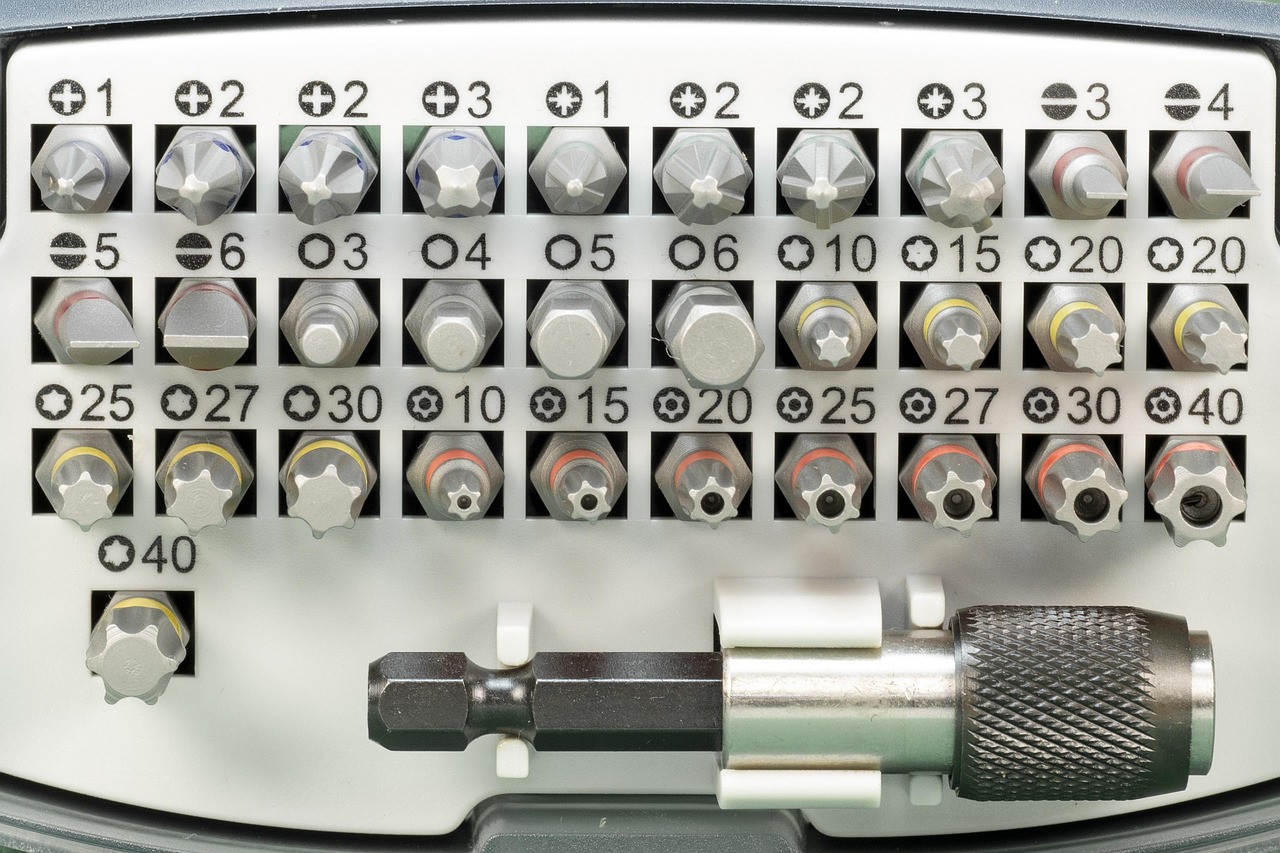
- Two batteries and charger: More practical than a single-battery kit because one pack can charge while the other is in use.
Common additions in larger kits
- Circular saw: Useful for framing lumber, plywood, sheet goods, and general cutting.
- Reciprocating saw: Helpful for demolition, rough cutting, pruning, and remodel work.
- Oscillating multi-tool: Strong for trimming, plunge cuts, flooring, drywall repairs, and detail work.
- Angle grinder: Useful for metal cutting, grinding, and masonry work, but it increases the need for proper guards and protective equipment.
- Rotary hammer or hammer drill: Relevant for masonry and concrete drilling, but unnecessary for many light household tasks.
When comparing several options, start with the work categories you need to cover rather than the largest number printed on the box. Taodili’s tool categories section can also help readers see how different tool types fit into a broader workshop or jobsite setup.
Battery platform matters more than the tool count
The battery platform is often the most important long-term decision. Once you own several batteries and chargers, you are more likely to keep buying bare tools from the same system. That is convenient, but it also creates platform lock-in. A low-priced set may become expensive later if the system has limited bare-tool options, weak charger support, or batteries that do not suit higher-demand tools.
Voltage is the first visible difference. In North America, many common cordless tools are sold in 12-volt, 18-volt, or 20-volt max classes. Smaller 12-volt tools can be lighter and easier to handle in cabinets, maintenance work, and overhead tasks. The 18-volt and 20-volt max classes are more common for broad general use, especially when the set includes saws, grinders, and other higher-draw tools.
Battery capacity is usually listed in amp-hours. A compact 1.5 Ah or 2.0 Ah pack may be fine for light drilling and screwdriving, but it can feel limiting on a circular saw, reciprocating saw, or grinder. Higher-capacity packs add runtime and can support demanding tools more effectively, although they also increase weight. A balanced kit often includes one compact battery for lightweight work and one larger battery for saws or heavier applications.
Chargers and extra batteries change real value
Two kits with the same tools can perform very differently if one includes a slow charger and small batteries while the other includes higher-capacity packs and a faster charger. For occasional home use, charging speed may not matter much. For daily jobsite use, downtime matters. The ability to rotate batteries throughout the day can be more valuable than an extra low-use tool in the box.
Also check whether the batteries are compatible across the full platform. Some brands maintain broad battery compatibility across drills, saws, nailers, outdoor equipment, and specialty tools. Others have sub-platforms or battery lines that are not fully interchangeable. The more tools you expect to add later, the more this detail matters.
How to judge value without being distracted by the number of tools
A combo power tool set should be judged by usable value, not only by the number of tools. Retail packaging often highlights the total count, but that count may include a flashlight, small speaker, bag, or another accessory. Those items can be useful, but they do not carry the same work value as a drill, driver, saw, or grinder.
| Evaluation point | Why it matters | What to check before buying |
|---|---|---|
| Core tool mix | Determines whether the kit fits your daily tasks | Confirm that the set includes the tools you will use at least monthly |
| Battery capacity | Affects runtime, power delivery, and weight | Look for amp-hour ratings and match larger packs to saws and grinders |
| Charger type | Controls how quickly batteries return to service | Check whether the charger is standard, rapid, or multi-port |
| Brushless motors | Can improve efficiency and reduce maintenance compared with brushed designs | Do not assume every tool in a kit is brushless; verify each model |
| Platform depth | Influences future bare-tool purchases | Review the broader tool family before committing |
| Included accessories | May affect first-day usability | Check blades, bits, bags, cases, belt hooks, and manuals |
For light home repairs, a smaller kit with a drill, impact driver, two batteries, and a charger can be the better value. For remodeling or property maintenance, adding a circular saw and oscillating multi-tool may make sense. For demolition, metal work, or trade use, a reciprocating saw, grinder, or rotary hammer may justify a larger kit, but only if the batteries are large enough to run those tools effectively.
Safety and compliance details buyers should not ignore
Power tool safety is not only about careful handling. It also depends on tool design, guards, switches, batteries, chargers, accessories, and user behavior. OSHA’s rules for portable powered tools include requirements related to guarding and certain switch controls, including expectations that lower guards on hand-held circular saws return to the covering position when the tool is withdrawn from the work. OSHA also identifies constant-pressure controls for certain portable powered tools so the tool shuts off when pressure is released.
For battery-powered tools, the battery and charger should be treated as part of the system, not just accessories. UL Solutions’ materials on electric motor-operated hand-held tools and lithium-ion battery systems describe safety evaluation in terms of the tool, detachable lithium-ion battery pack, and charger working together. In 2026, ANSI/UL 2595 was also listed as covering general requirements for battery-powered appliances, including safe functioning of lithium-ion battery systems. The practical takeaway for buyers is straightforward: use the charger specified for the battery platform, avoid damaged packs, and do not mix unverified batteries or chargers simply because the connector appears to fit.
Before using any combo set, read the manufacturer’s manual for each tool, inspect guards and switches, and use appropriate eye, hearing, respiratory, and hand protection for the task. A kit that includes a saw or grinder requires more safety planning than a drill-and-driver set. Blades, wheels, dust, kickback, sparks, and workpiece support all affect risk.
Battery handling basics
- Do not use swollen, cracked, overheated, or water-damaged battery packs.
- Store batteries away from loose metal objects that could contact terminals.
- Use the correct charger for the battery platform and chemistry.
- Let hot packs cool before charging if the manufacturer’s instructions require it.
- Follow local rules for recycling or disposal of lithium-ion batteries.
Matching kit size to the user
The right kit size depends on how often the tools will be used and what kind of work they need to support. A homeowner hanging shelves, assembling furniture, repairing fences, and drilling pilot holes does not need the same set as a remodeler cutting framing lumber or a maintenance crew working across multiple properties. See also: Brands.
Homeowners and occasional DIY users
A compact drill/driver and impact driver set is often enough. Two batteries are still recommended because they prevent work from stopping when one pack is depleted. A small tool bag, basic bits, and a charger can make the kit ready for common household jobs. A circular saw may be useful if the user regularly cuts lumber or sheet goods, but it is not essential for everyone.
Serious DIY and renovation users
A four- to six-tool set can make sense if the buyer frequently handles decking, drywall, trim, flooring, cabinets, or rough carpentry. In this range, look closely at the saws and the battery sizes. A circular saw powered by a very small pack may technically work, but it may not deliver the runtime expected for repeated cuts. An oscillating multi-tool is often more useful in renovation work than many buyers expect because it solves awkward trimming and plunge-cut tasks.
Trade and jobsite users
Trade users should focus less on headline discounts and more on durability, ergonomics, service support, battery rotation, and specialty tool availability. A professional may be better served by a smaller premium kit plus selected bare tools than by a large general-purpose kit containing tools that will remain in the bag. Tool weight, vibration, trigger control, lighting, belt hooks, and balance become more important when tools are used all day.
Common mistakes before buying
One common mistake is assuming every tool in a kit is from the same performance tier. Some combo sets mix higher-end and entry-level tools. That is not always a problem, but it should be understood before purchase. Check each model number, motor type, chuck size, blade size, speed range, and battery requirement rather than relying only on the package name.
Another mistake is ignoring the difference between bare tools and kitted tools. After joining a platform, future purchases may be cheaper if bought as bare tools without batteries and chargers. That strategy only works if the original combo set includes enough batteries to support the way you work.
Buyers also overlook storage. A soft bag is fine for light use and transport, while stackable hard cases or modular boxes may be better for jobsites and vehicles. Storage affects whether blades, bits, chargers, batteries, and manuals remain organized and protected.
Finally, avoid buying a large set only because it appears heavily discounted. A good deal is only good if the tools solve real tasks. If a kit includes a grinder, reciprocating saw, or rotary hammer that you will rarely use, the money may be better spent on a smaller set with higher-capacity batteries, better accessories, or a platform with stronger future expansion.
A practical buying checklist
- List the jobs you expect to do in the next 12 months.
- Separate must-have tools from nice-to-have tools.
- Confirm battery voltage, amp-hour ratings, and charger type.
- Check whether the demanding tools in the kit receive batteries large enough for realistic runtime.
- Verify whether each major tool is brushed or brushless.
- Look up the broader platform before committing to future bare-tool purchases.
- Inspect safety features such as guards, electric brakes where applicable, trigger controls, and manuals.
- Budget for blades, bits, personal protective equipment, and storage.
A good combo power tool set should make work easier on day one and still feel useful after the first project is finished. The best decision is not always the largest bundle. It is the set that matches your tasks, supports safe use, and gives you a battery platform you will not regret building around.
Frequently asked questions
Is a combo power tool set cheaper than buying tools separately?
It can be, especially when the set includes batteries and a charger that would be expensive to buy separately. However, the value depends on whether you will actually use the included tools. A lower tool count with better batteries can be more useful than a larger bundle with tools that stay unused.
Should I choose a 12-volt or 18-volt class kit?
Choose a 12-volt class kit for light-duty work, tight spaces, overhead tasks, and portability. Choose an 18-volt or 20-volt max class kit if you expect to use saws, grinders, larger drill bits, or more demanding jobsite tools. Many users eventually keep both, but starting with one platform is more cost-effective.
Are brushless tools always necessary?
No. Brushed tools can still handle occasional home repairs. Brushless tools are often more attractive for frequent users because they can offer better efficiency, longer motor life, and improved runtime depending on the design. Always verify each tool in the kit because not every tool in a combo set is necessarily brushless.
How many batteries should a starter kit include?
Two batteries are a practical minimum for most users. One-battery kits can be frustrating because work stops when the pack needs charging. If the set includes a circular saw, reciprocating saw, or grinder, at least one higher-capacity battery is strongly preferred.
What should I avoid in a combo kit?
Avoid kits that rely on tool count while hiding small batteries, slow charging, limited platform support, or tools that do not match your work. Also avoid using off-platform batteries or chargers unless the manufacturer clearly approves them for that system.