
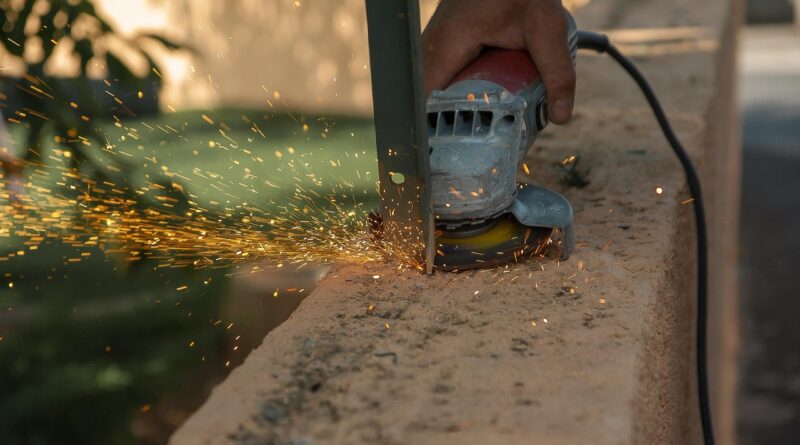
Is a Small Grinder Tool the Best Choice for Tight Metal and Tile Jobs?
A small grinder tool looks like an easy item to buy, but the right model depends on the space, the material, wheel size, speed, and basic safety parts. If you are checking compact cutting, grinding, and polishing tools for shop or jobsite use, you can look through related options in the Tool Categories section before choosing a model.
For export buyers, contractors, repair shops, and serious DIY users, the small grinder is often the tool people reach for when the work area is tight. It cuts a bolt flush, cleans weld spatter, trims tile around a pipe, removes rust near a hinge, and sharpens mower blades when a bench grinder is not close by. Even so, a compact body does not make it a light-risk tool. Abrasive wheels run fast, sparks can travel farther than expected, and the wrong disc can turn a short job into a broken-wheel accident. The guide below keeps the points practical, with safety notes based on public guidance from OSHA, CDC/NIOSH, CCOHS, HSE, and BLS.
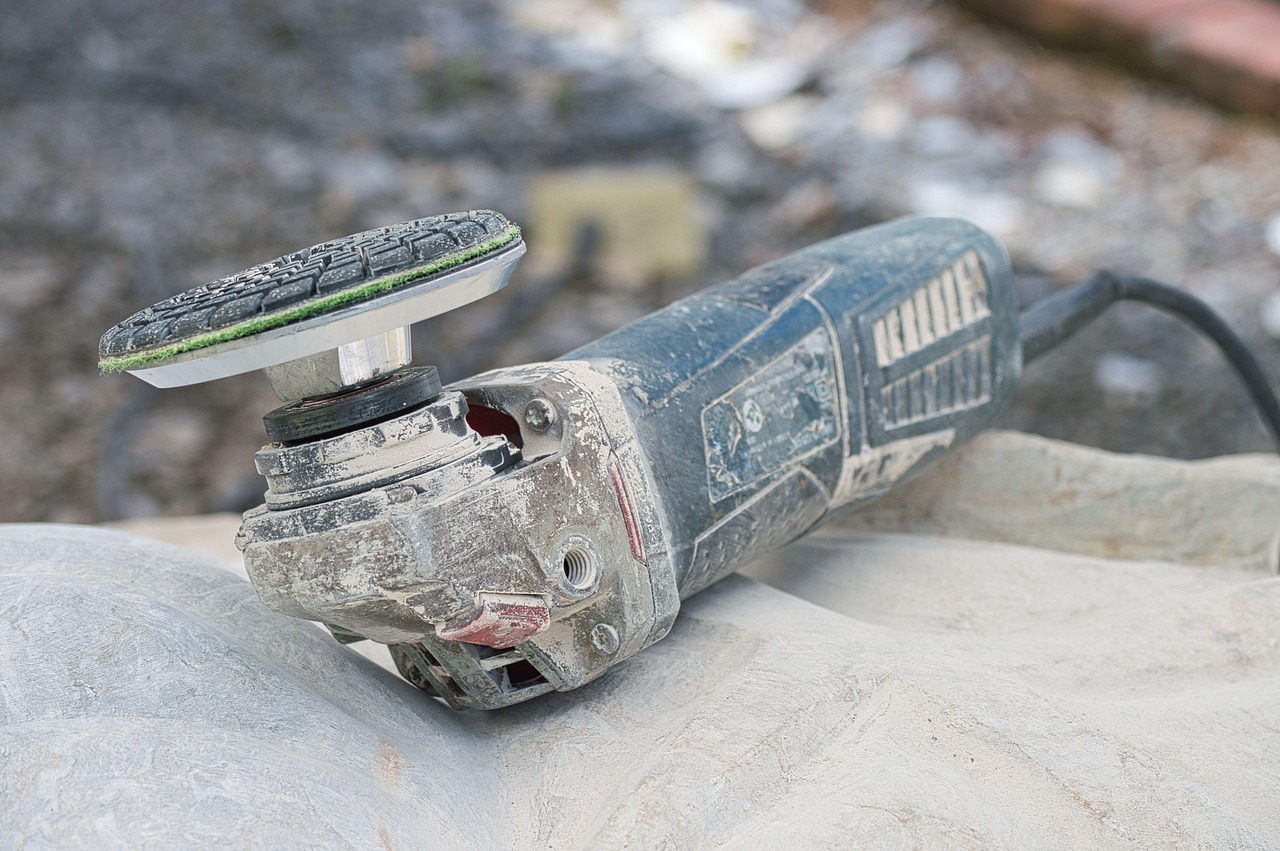
What Is a Small Grinder Tool Used for?
A small grinder tool is usually a compact angle grinder, die grinder, mini grinder, or rotary grinder used for cutting, grinding, sanding, deburring, sharpening, and surface cleaning. The best use depends on the tool shape and the accessory fitted to it, not motor power alone.
Metal Cutting and Weld Cleanup
For metal work, a small angle grinder with a 4 inch, 4-1/2 inch, 5 inch, or 115 mm to 125 mm wheel is the common choice. It can cut threaded rod, trim brackets, clean weld beads, and remove burrs from steel plate. In many repair shops, this grinder stays near the welding table because it gets used for small jobs through the day. A flap disc can smooth a weld without cutting too hard, while a thin cut-off wheel works well on bolts or tubing. The main point is simple: match the wheel to the job. A grinding wheel should not be used as a cutting disc, and a cutting disc should not be pushed sideways like a grinding wheel.
Tile, Stone, and Masonry Trimming
Small grinders also work well on tile and masonry, mainly when setting up a full tile saw is not worth it for one notch. With the right diamond blade, you can trim ceramic tile, score pavers, open a small chase in mortar, or shape stone edges. Dust is the part that gets missed. Silica dust from concrete, tile, and masonry is still a health issue, even when the cut only takes a few seconds. Use dust control, respiratory protection where the job calls for it, and the blade type recommended by the accessory maker. A quick cut outdoors can still put dust and grit in the air.
Rust, Paint, and Edge Prep
Wire wheels, stripping discs, and sanding pads make a compact grinder useful for rust removal, paint stripping, and edge prep before coating. This is also where users often get too comfortable with the tool. Wire wheels can throw bristles, old paint may contain lead, and sparks can reach rags or solvent faster than many people expect. CDC/NIOSH eye safety materials list flying particles as a common workplace eye hazard, and older CDC/NIOSH public health guidance reported more than 2,000 workplace eye injuries per day in the United States. The shop lesson is direct: glasses and a face shield are not too much when grinding sends debris toward your face.
Which Type of Small Grinder Tool Should You Choose?
The best small grinder tool is the one that fits the task without forcing your wrist or hand position. Before checking price, sort the tool by format. Angle grinders, die grinders, and rotary tools can overlap on some jobs, but they do not feel the same during real work.
Small Angle Grinder for General Work
A small angle grinder is the most useful choice for metal fabrication, construction repair, and tile trimming. It takes many accessories, has a side handle, and usually gives better control for two-handed work. A 4-1/2 inch model sells well because wheels are easy to source and the tool still fits inside tight frames, under trailers, or around gate hardware. If a buyer wants one grinder for mixed work, this is usually the first style to check.
Die Grinder for Detail and Deburring
A die grinder suits tight cavities, porting, gasket cleanup, and detailed deburring better than an angle grinder. It uses mounted points, carbide burrs, small sanding rolls, and small cut-off wheels. Air die grinders are common in automotive and metal shops, while cordless versions help when air hoses get in the way. The smaller contact point reaches into narrow places, but it removes less material each pass. That can be helpful when the part is thin, small, or costly to replace.
Rotary Tool for Light Precision Jobs
A rotary tool is the light-duty option for hobby work, electronics, model work, jewelry, and small household repairs. It should not be treated as a replacement for an angle grinder on structural steel. It works best when you need gentle control, tiny accessories, and low material removal. If the job is cutting 3 mm steel angle or cleaning a weld, choose a small angle grinder. If the job is trimming a plastic cover or smoothing a small casting mark, a rotary tool may feel better in the hand.
How Much Power and Speed Do You Need?
Power and speed matter, but bigger numbers do not always mean a better tool for the job. A small grinder needs enough torque to avoid stalling, and it also needs an accessory rated to run safely at the grinder speed. That second point is easy to overlook during daily use.
Motor Power That Matches the Material
For corded angle grinders, many small models sit around 700 W to 1,200 W, depending on the market and wheel size. Light rust cleaning can be done with less power. Cutting steel, grinding welds, and working masonry usually feel better with more motor headroom. Cordless grinders are normally compared by battery platform, motor type, and amp-hour pack. A brushless cordless grinder with a high-output battery can work well for field repairs, though runtime drops quickly during heavy cutting. If the tool slows every few seconds, the job is too heavy, the disc is wrong, or the operator is pressing too hard.
Wheel RPM and Accessory Rating
Speed must match the wheel. OSHA 29 CFR 1910.243 requires checking spindle speed before mounting a wheel so it does not exceed the maximum operating speed marked on the wheel. CCOHS portable-grinder guidance also says any attachment should be rated for the grinder speed or greater. This is not just a paperwork point. A 125 mm grinder may run around 10,000 to 12,000 RPM, and a small accessory with a lower rating can fail. Read the wheel label before fitting it, even if the disc looks like the one used last time.
Variable Speed for Finish Control
Variable speed helps with polishing, sanding, cleaning stainless steel, and using accessories that should not run at full speed. It is less important for basic steel cutting with standard cut-off wheels, where the accessory rating and steady control matter more. If the work includes paint stripping or stainless finishing, variable speed is worth checking. If the work is mostly rebar, bolts, and rough grinding, a strong fixed-speed tool may be enough.
What Safety Features Matter Most?
A compact grinder can still be one of the more aggressive handheld power tools in a shop. The safety features are not there for looks. They help control wheel breakage, kickback, sparks, and restart risk.
Guard Position and Wheel Coverage
OSHA 29 CFR 1910.243 says safety guards on right-angle head or vertical portable grinders must limit exposure to a maximum angle of 180 degrees and be placed between the operator and wheel. The design point is clear: the guard should sit between the user and the hazard. Do not remove it just because a cut is awkward. Use a smaller tool, a different wheel, or another method. A guard that blocks a risky shortcut can be annoying, but it is doing its job.
Side Handle and Two-Hand Control
A side handle gives better control during startup, cutting, and kickback. Small grinders are often used one-handed for quick jobs, but two hands help keep the wheel square and reduce twisting. This matters when cutting thin sheet, pipe, or tile, where the wheel can pinch. Keep your body out of the wheel plane, let the grinder reach full speed before touching the work, and do not force the cut. If the tool chatters, back out and check the setup. See also: Brands.
Restart Protection and Brake Options
Restart protection stops the grinder from turning on unexpectedly after a power loss when the switch is still on. Electric brakes stop the wheel faster after release, which helps in busy shops where tools are set down between steps. These features do not replace safe habits, but they do reduce common mistakes. BLS reported 2.6 million nonfatal workplace injuries and illnesses in private industry in 2023, down 8.4 percent from 2022. That BLS report does not separate grinder injuries by wheel size, and no reliable public U.S. source was found that breaks injuries down by small-grinder category, so tool-specific claims should stay careful.
How Do You Choose the Right Wheel or Attachment?
The wheel has a big effect on the final result. A good grinder with the wrong wheel cuts slowly, heats the material, or becomes unsafe. Read the accessory label before fitting it, and check the manual for approved wheel types.
Cut-Off Wheels for Straight Cuts
Use cut-off wheels for cutting, not side grinding. Thin wheels cut fast with less material loss, but they do not handle twisting well. Keep the wheel straight, do not bend it in the slot, and support the work so the cut does not close on the disc. For stainless steel, choose wheels marked for stainless to reduce contamination and discoloration. It is a small detail, but finish shops pay attention to it.
Grinding Wheels and Flap Discs for Shaping
Grinding wheels remove stock quickly and can take edge work. Flap discs blend and finish with a smoother feel. For weld cleanup on railings, gates, frames, or brackets, many users rough shape with a grinding wheel and then change to a flap disc. Pick the grit based on the finish target. Coarse grit cuts fast and leaves scratches. Finer grit takes more time but looks better under paint or powder coat.
Wire Brushes and Specialty Accessories
Wire cups and wire wheels clean rust, scale, and paint, but they need care. Wear eye and face protection because wires can fly off during use. Use only accessories rated for the grinder speed. CCOHS guidance says not to use cracked, damaged, or excessively vibrating wheels or attachments, and that advice also fits wire brushes. If the grinder vibrates badly, stop and check it. Do not keep going just because the job is nearly finished.
What Buying Checklist Should Export Buyers Follow?
If you buy small grinders for resale, jobsite supply, or workshop fleets, the checklist should cover more than wattage and price. Buyers need a tool that workers will actually use safely, with accessories that remain easy to source after the first order.
Voltage, Plug, and Certification Fit the Market
Match voltage, plug type, and certification needs to the destination market. A tool for North America, Europe, Southeast Asia, or the Middle East may need different labels, manuals, and compliance documents. Also check whether buyers want corded, cordless, or pneumatic models. Corded tools suit steady shop use. Cordless tools sell well for installers and maintenance teams. Pneumatic tools still make sense where compressors already run all day.
Ergonomics and Spare Parts Reduce Complaints
Grip diameter, switch type, guard adjustment, side-handle position, and tool weight all affect repeat sales. A grinder can have good specifications and still feel awkward after ten minutes of work. Spare carbon brushes, guards, flanges, wrenches, and switches also matter. Contractors remember the tool that stayed usable after a low-cost part wore out. Packaging should protect the guard and spindle parts because a bent guard on arrival creates an immediate quality complaint.
Accessory Supply Supports Repeat Sales
A grinder without the right wheels is only half a product. Offer common cut-off wheels, grinding wheels, flap discs, wire brushes, and diamond blades that match the grinder size and RPM. Clear labeling helps buyers avoid mismatches. OSHA construction guidance for abrasive wheels requires inspection and ring testing before mounting to check for cracks or defects, so accessory packaging should also protect wheels from drops and moisture during shipping.
FAQ
Q1: What Size Is Best for a Small Grinder Tool? A: For general metal and repair work, 4-1/2 inch or 115 mm to 125 mm grinders are the most common compact choices. They offer a workable balance of cutting depth, wheel availability, and control.
Q2: Can You Use a Small Grinder Tool on Wood? A: It is usually not the best choice. Some accessories are made for carving or sanding wood, but aggressive toothed discs can grab badly. Use a tool and accessory approved by the manufacturer.
Q3: Should You Remove the Guard for a Tight Cut? A: No. If the guard blocks the cut, choose a smaller tool, change the work position, or use another cutting method. OSHA portable-grinder guidance places the guard between the operator and the wheel for a reason.
Q4: Is Cordless Better Than Corded? A: Cordless is better for field repairs and short cuts away from power. Corded is often better for long grinding sessions because it avoids battery changes and usually costs less for the same duty level.
Q5: What PPE Do You Need When Grinding? A: Use safety glasses or goggles, a face shield for high-impact debris, hearing protection, gloves suited to the task, and respiratory protection when dust exposure calls for it. Check the job material before starting.