
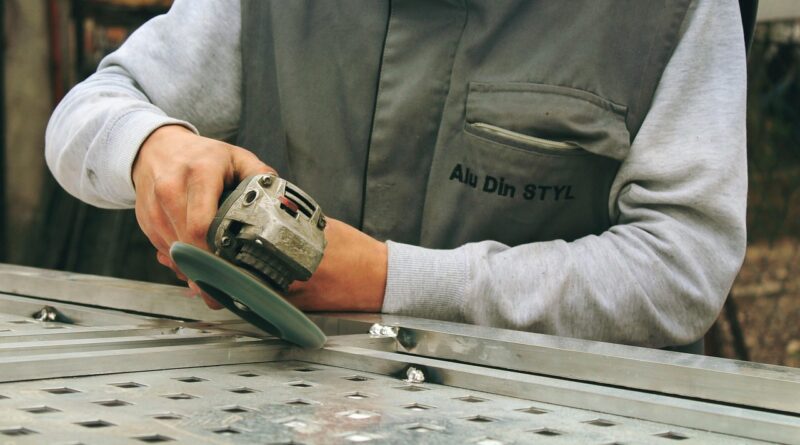
How Do You Choose the Best Hand Grinder Tool for Cutting and Grinding Jobs?
A hand grinder tool looks like a basic shop item, but it earns its keep when the work is not clean. A rusted bolt, a high weld bead, a tight corner on a gate frame, or a chipped masonry edge may all need the same answer: a compact grinder, the right disc, and enough control in the hands. If you are sorting tool lines for a shop, jobsite, or resale catalog, the Tool Categories page is a useful place to start.
This article is mainly about the electric hand grinder tool most buyers call an angle grinder. It covers common uses, buying points, disc choices, safe work habits, and basic maintenance. Where there is reliable public data, the safety points are backed by it. For example, the U.S. Bureau of Labor Statistics reported in November 2024 that private industry employers recorded 2.6 million nonfatal workplace injuries and illnesses in 2023, down 8.4% from 2022. That number is not grinder-only, but it is a reminder that tool choice and user training still matter on real jobs.
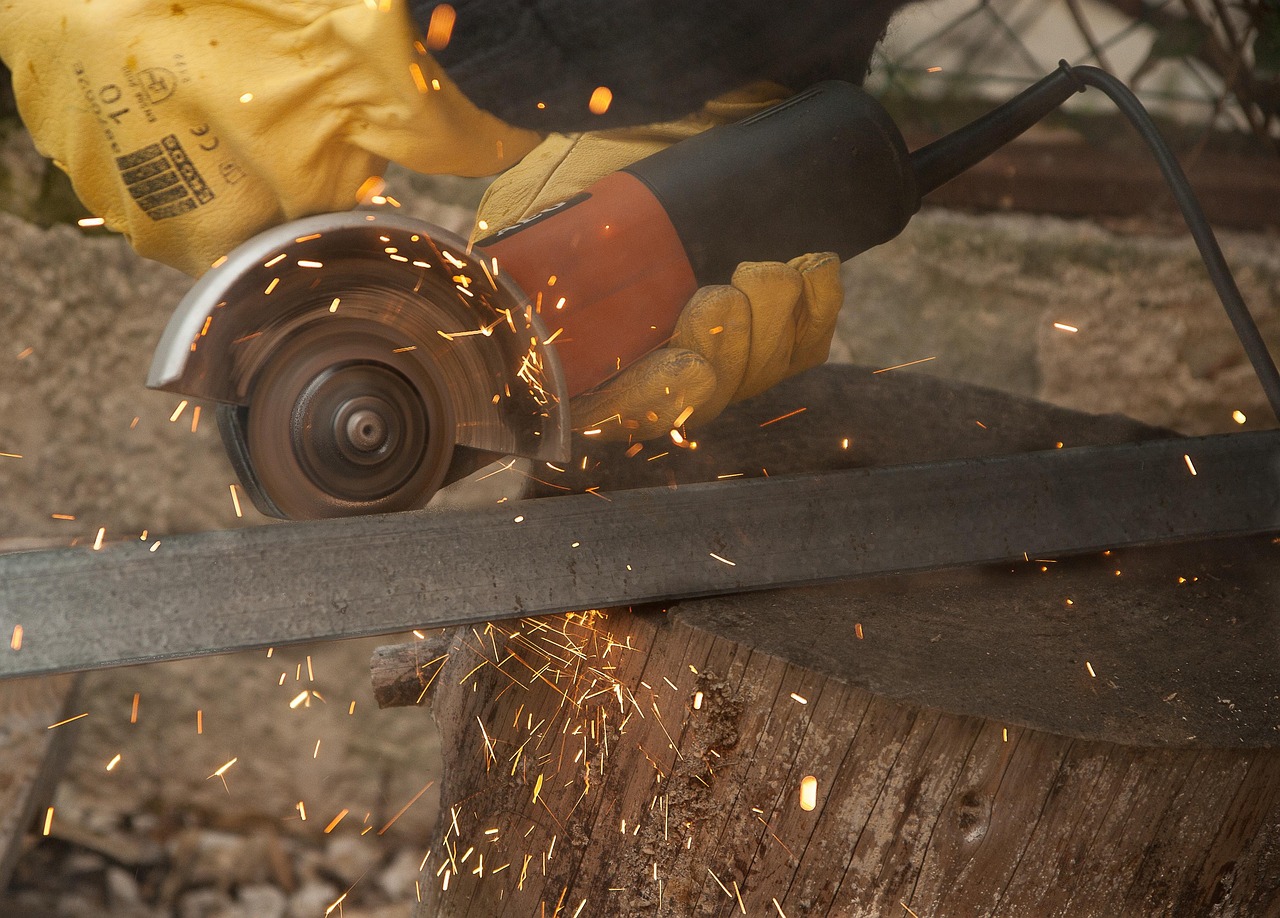
What Is a Hand Grinder Tool Used For?
A hand grinder tool works with a fast spinning spindle and a replaceable wheel or disc. The tool stays in the operator’s hands while the accessory does the cutting, grinding, sanding, or cleaning. One grinder can do many jobs, but the disc, speed rating, guard, and material all need to match. If one of those is wrong, the result can be poor work or a safety problem.
Cutting Bolts, Rod, and Sheet Metal
With a thin cut-off wheel, a grinder can cut threaded rod, rebar, angle iron, metal tube, and sheet metal. A 4-1/2 inch grinder is common in light fabrication because it is easy to move around and fits better in tight places. Larger 7 inch or 9 inch models cut deeper, but they pull harder and need more working space. If the cut closes on the wheel, kickback can happen quickly, so the workpiece should be clamped and supported on both sides when the job allows it.
Grinding Welds and Casting Edges
Grinding wheels are used to take down weld crowns, sharp casting flash, and uneven edges. Steady pressure is more useful than force here. Pushing too hard does not make the finish better; it can heat the metal, wear out the wheel faster, and put extra load on the motor. A better method is to let the wheel cut lightly and make a few passes, which usually leaves a cleaner surface.
Cleaning Rust, Paint, and Burrs
Wire wheels, flap discs, and nonwoven surface prep discs are often used to clean old steel before painting or welding. A flap disc can smooth a bracket without digging deep grooves into the surface. A wire cup brush can clean rust from a fence post, but it throws wires and dirt, so eye and face protection are not optional. Even a small rusty hinge can cover the bench, the shirt, and the floor with dust in a few minutes.
How Do You Choose the Right Hand Grinder Tool?
The best hand grinder tool is not always the one with the biggest motor. The better choice is the grinder that fits the cut depth, work time, user skill, and accessory range. Buyers often compare amps or watts first, which is understandable. After a full day of use, grip comfort, switch type, guard design, and service access can matter just as much.
Disc Size and Job Depth
Disc size controls the cutting depth and changes how the tool feels in use. A 4-1/2 inch or 115 mm grinder is a good fit for light metalwork, tile trimming, bolt cutting, and general repair. A 5 inch or 125 mm grinder gives a little more reach while still staying manageable for most users. A 7 inch or 9 inch grinder is better for heavy steel and masonry, but it is heavier and less forgiving, so most trade counters and online tool catalogs sell more 4-1/2 inch and 5 inch models.
Power Rating and Speed Control
More power helps the grinder hold speed when the wheel is under load. That is useful when grinding thick welds or cutting dense material. Even so, the speed must match the accessory. OSHA’s abrasive wheel rules state that grinding machines must have enough power to maintain safe spindle speed during normal operation, and OSHA also warns users not to exceed the maximum operating speed marked on the wheel. Variable speed helps with polishing, wire brushing, and surface finishing, while cutting wheels usually need the rated high speed recommended by the disc maker.
Switch, Grip, and Guard Design
A paddle switch is easy to let go if the tool kicks or slips. A slide switch can be comfortable for longer surface grinding, but it needs careful use. A side handle gives better two-hand control, especially when the disc first touches the work. The guard should move without a fight and lock firmly in place. If users remove the guard because it gets in the way, the design has failed in day-to-day use.
Which Discs and Accessories Fit Real Jobs?
A grinder only works as well as the wheel fitted to it. The wrong disc can lead to rough cuts, damaged workpieces, or serious injury. Before mounting any accessory, check the diameter, arbor size, rated RPM, material type, and intended use. A cutting disc is not a grinding disc, and the small label on the wheel is worth reading before the trigger is pulled.
Cut-Off Wheels for Straight Cuts
Cut-off wheels are thin and made for cutting on the edge. They should not be used for side grinding because side pressure can break the wheel. OSHA 29 CFR 1926.303 requires abrasive wheels to be closely inspected and ring-tested before mounting, where suitable for that wheel type, so cracked or damaged wheels stay out of service. The same OSHA guidance notes that an abrasive wheel may break apart during start-up, so let the grinder reach operating speed before it touches the work.
Grinding Wheels for Stock Removal
Grinding wheels are thicker and built to take side contact. They remove metal faster than flap discs, but the surface they leave is usually rougher. Use them for weld cleanup, beveling, and shaping. Keep the guard between the wheel and your body as far as the task allows. OSHA’s construction standard also says safety guards for portable abrasive wheels used for external grinding must be strong enough and mounted to help retain fragments if a wheel breaks.
Flap Discs and Wire Brushes for Finishing
Flap discs sit between grinding and finishing. Coarse grit removes material quickly, while finer grit leaves a smoother surface for paint or powder coat. Wire brushes work well on rust, scale, and old coating, but they are not a replacement for a cutting or grinding wheel. Check the brush speed rating before use and watch for flying wires. A small wire in a shirt sleeve is irritating; one near an eye is a much bigger problem.
How Can You Use a Hand Grinder Tool More Safely?
Safety talk around grinders can sound repeated, but there is a reason for that. The U.S. Consumer Product Safety Commission’s NEISS Data Highlights for calendar year 2023 estimated 27,582 emergency department treated injuries linked to “Power Home Tools excluding saws.” That group is wider than grinders, so it should not be treated as grinder-specific data. Still, it gives a useful background for why guards, PPE, and correct discs should come up in every buying discussion. See also: Brands.
Eye, Face, Hearing, and Hand Protection
OSHA’s hand and power tool guidance says users of powered grinders should always use eye or face protection. For cutting and grinding, safety glasses plus a face shield are a better practical setup because sparks and fragments do not always fly in a straight line. Hearing protection is also sensible, especially in metal shops where grinder noise bounces off walls and benches. Gloves should fit close to the hand, and loose cuffs should be avoided because they can catch.
Guard Position and Body Line
Keep your body out of the wheel’s plane of rotation during start-up and cutting. OSHA’s publication on hand and power tools gives the same basic warning: do not stand in that plane while the wheel accelerates. Aim sparks away from people, glass, fuel, sawdust, and finished surfaces. Hot sparks can mark windows and start small fires in corners that nobody checks until they smell smoke.
Clamping, Kickback, and Work Support
Clamp the work when you can. Do not hold a small bracket in one hand and cut it with the other. If the disc binds, the grinder can jump toward you or away from you before you have time to react. The UK Health and Safety Executive’s HSG17 guide covers wheel characteristics, mounting, guards, portable grinder issues, and PPE requirements, and it all comes back to the same shop rule: control the wheel before the wheel takes control of the job.
What Maintenance Habits Keep a Grinder Running Longer?
A cared-for grinder runs smoother, cuts straighter, and breaks down less often. Maintenance does not need to be complicated. Most of it is regular inspection, cleaning, proper storage, and changing worn parts before they create a bigger fault. For distributors and tool managers, these habits can also reduce returns caused by misuse rather than product defects.
Wheel Inspection Before Each Use
Check every wheel for chips, cracks, moisture damage, and missing labels. Do not force a wheel onto the spindle. OSHA states that grinding wheels should fit freely and that the spindle nut should be tightened only enough to hold the wheel in place. Over-tightening can stress the wheel or flange. If a wheel has been dropped, treat it as suspect, even when it looks fine under shop lighting.
Vent Cleaning and Cord Checks
Grinding dust can block motor vents. Blow dust out with care, follow the maker’s manual, and do not blow debris toward another person. Check cords for cuts, crushed areas, and loose strain relief. For cordless grinders, check battery rails and contacts as well. A grinder that cuts out during a pass can spoil the surface and catch the user off guard.
Storage, Spares, and Service Timing
Store wheels dry and flat, away from impact and chemicals. Keep guards, side handles, flange nuts, and wrenches with the tool instead of leaving them in different drawers. Replace carbon brushes if the model uses them and the manual calls for it. When bearings get noisy or the spindle feels loose, stop using the grinder. Repair is usually cheaper before the tool starts damaging discs.
FAQ
Q1: What Is the Best Size for a First Hand Grinder Tool? A: A 4-1/2 inch or 5 inch grinder is usually the best first choice. It handles common cutting, grinding, rust removal, and repair work without the weight of a large 7 inch or 9 inch model.
Q2: Can You Use a Cutting Disc for Grinding? A: No. A cutting disc is thin and made for edge cutting, not side pressure. Use a proper grinding wheel or flap disc for grinding and smoothing.
Q3: Should the Guard Stay on the Grinder? A: Yes. The guard helps block sparks and fragments. OSHA rules for abrasive wheel tools place strong emphasis on guards for portable grinding operations, with only limited exceptions.
Q4: Is a Corded or Cordless Grinder Better? A: Corded grinders suit long grinding sessions and steady shop power. Cordless grinders are better for mobile repair, punch-list work, and quick cuts where outlets are not close.
Q5: How Often Should Grinder Wheels Be Checked? A: Check wheels before every use and before mounting. Look for cracks, chips, wrong RPM ratings, and damage from drops or moisture. If there is doubt, discard the wheel.