
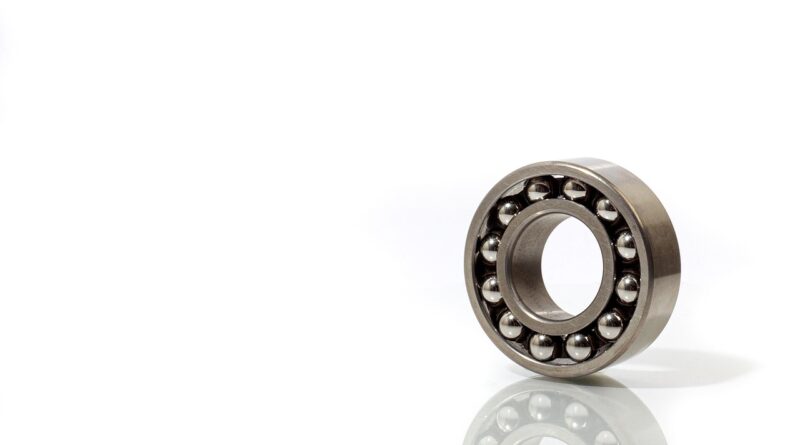
Are Bandsaw Ball Bearing Guides Worth It for Cleaner Cuts?
If you are looking at Guides or trying to sort out a saw that keeps drifting off the line, bandsaw ball bearing guides are usually one of the first parts people suggest. They are small parts, but they do affect how the blade sits in the cut, how it handles feed pressure, and how often you need to stop the saw for adjustment.
The straight answer is that bearings do not fix every bandsaw problem. A low-grade dull blade will still cut badly. Poor tension will still cause drift, and bad tracking will still show up in the cut. But if the blade, wheels, and fence are already in workable condition, bearing guides can make the saw run more steadily, especially for resawing, curve cutting, and repeated shop jobs.
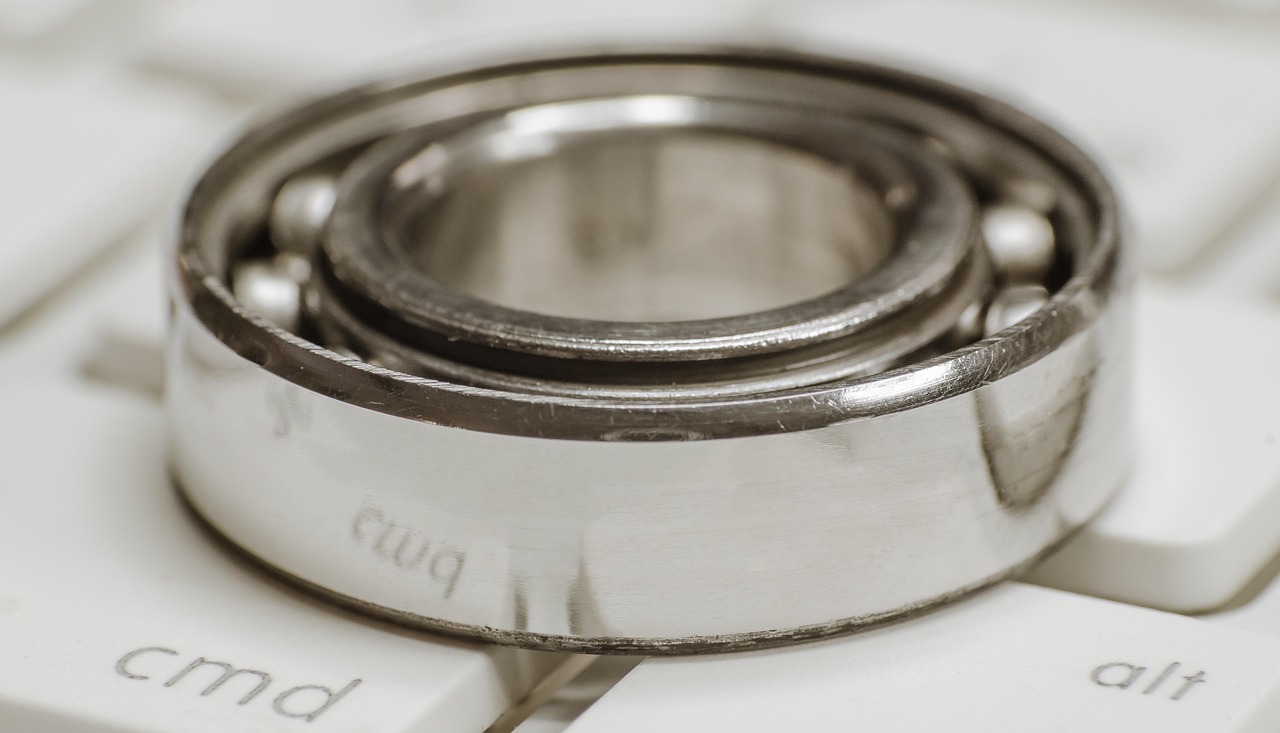
What Do Bandsaw Ball Bearing Guides Actually Do?
A bandsaw blade is a thin steel loop running around two wheels. Between the wheels, that blade has to stay upright while the operator pushes wood or metal into it. Guides reduce the free blade span close to the cut, so the blade has less room to move. OSHA describes band saws as manual-feed machines where the operator holds stock flat and applies cutting force, so blade control near the table is part of both cut quality and safe work. (osha.gov)
Rolling Side Support for the Blade Body
Side bearings sit on the left and right side of the blade body, just behind the teeth. They are not meant to clamp the blade while the saw is running. The better setting is close enough to catch side movement when the cut gets loaded, but not so close that they rub the tooth set or heat the blade. On a small 14-inch woodworking saw, that small clearance can make a clear difference when cutting cabinet parts or curved chair rails.
A Thrust Bearing for Feed Pressure
The thrust bearing sits behind the blade. When stock is fed forward, the blade wants to move backward, and the thrust bearing takes that pressure. If it is set too far back, the blade bends before it gets support. If it touches all the time, the bearing runs hot and makes noise. A light hiss from a thrust bearing that spins at idle is a useful warning, even when the cut still looks acceptable.
A Shorter Uncontrolled Blade Span
Good guides shorten the loose section of blade between the upper guide post and the table. This matters most when the upper guide is brought down close to the workpiece. With less blade exposed, there is usually less flutter. It also lowers the chance that a hard knot, weld seam, or off-square feed will push the blade sideways.
Are They Better Than Block or Ceramic Guides?
There is no one guide style that suits every shop. Ball bearing, block, ceramic, and Euro-style disc guides all support the blade, but they use different contact methods and need different maintenance habits. Grizzly’s public support material says guide style affects cutting accuracy, blade life, machine performance, friction, setup, and durability. (support.grizzly.com)
Cleaner Support With Less Rubbing
Ball bearings roll instead of sliding, and that is the main reason shops use them. When they are set correctly, they support the blade with less scraping than many metal blocks. For general woodworking, plywood, plastics, and light nonferrous cutting on a suitable saw, they are simple to work with. They also make setup easy to see, because the operator can check whether the bearing face lines up with the blade body.
Blocks Still Win in Dirty Jobs
Block guides are basic parts, and that is sometimes a benefit. They have no seals, no small balls, and no bearing race that can pack with fine dust. In rough work, wet wood, pitchy stock, or low-speed shop-made setups, a block guide may be more forgiving. It can scrape dust from the blade instead of letting debris build up around a bearing. The tradeoff is more rubbing and more adjustment as the block wears down.
Ceramic Guides Handle Heat and Small Blades
Ceramic guides are common where heat resistance and close blade support are important. They can work well with small blades and tight curves, but the setup still has to be careful. If the teeth touch the guide face, the blade can be damaged quickly. A bearing guide is often easier for a new user to set, while ceramic can suit an operator who changes blade widths often and takes time with clearance.
When Should You Upgrade Your Guides?
The right time to upgrade is after the basic saw issues have been checked. Look at blade sharpness, wheel tires, tension, tracking, table alignment, and fence squareness before buying guide parts. No public third-party test was found that gives one reliable percentage for accuracy improvement across all bandsaws after fitting ball bearing guides. Brand claims may help with comparison, but the actual result depends on the saw frame, blade width, and setup work.
Resawing Thick Hardwood
Resawing shows weak guide setup very quickly. A 3/4-inch blade cutting 6-inch maple or walnut needs firm side support and a thrust bearing that takes feed pressure as soon as the blade loads. Bearing guides can help the blade run more steadily through the cut, so the board faces need less cleanup afterward. You still need a sharp low-tooth-count blade and an even feed rate. Pushing harder does not solve drift; in most shops, it is how drift starts.
Narrow Blades That Need Careful Clearance
A 1/4-inch blade for curves leaves very little room for poor bearing placement. The bearings must support the blade body, not the teeth. If the guide face reaches the gullet, it can flatten the tooth set and leave the blade cutting poorly. For small radius cuts, blade width matters more than guide style. Good bearings still help because the setup is easier to repeat after blade changes.
Older Saws With Loose Factory Parts
Older contractor saws often have guide blocks, worn screws, and posts that no longer lock tightly. A new bearing guide kit can remove play around the guide area and make adjustment feel more controlled. Still, check the guide post itself before judging the upgrade. If the post wobbles, the new bearings will only follow that wobble. Tighten the post, clean the ways, and replace stripped hardware first.
How Should You Set Bandsaw Ball Bearing Guides?
The order of setup matters. If the guides are adjusted before the blade tracks correctly, the blade may be forced into a false path. Carter’s published guide instructions say to disconnect the saw, set blade tension and tracking first, then adjust the bearings to the blade. It is a plain step-by-step process, but it prevents a lot of repeated adjustment later. (carterproducts.com)
Tension and Tracking Come First
Install the blade, tension it, and turn the upper wheel by hand. The blade should run smoothly without the teeth hitting the guides. Many saw tension scales are only rough references, so use the manual and then watch how the blade behaves. If it moves forward and back on the tire before the guides touch it, fix the tracking first. Bearings should guide a stable blade, not force an unstable one into place.
Side Bearings Sit Behind the Gullets
Set the side bearings slightly behind the blade gullets. A common shop method is to use a sheet of paper as a simple clearance gauge. Carter’s instructions describe setting bearings a couple thousandths of an inch from the blade, roughly paper thickness, and keeping the bearing surface slightly behind the gullet. The aim is close support without constant contact while the saw is idling. See also: Tool Categories.
The Thrust Bearing Waits for Cutting Pressure
Set the thrust bearing just behind the back of the blade. BCCampus woodworking machinery material says the thrust bearing should not contact the blade until material is fed into it, and it recommends a few thousandths of an inch of clearance. After adjustment, turn the wheel by hand and check both upper and lower guides. Many small-shop setup problems come from setting the upper guide and forgetting the lower one. (pressbooks.bccampus.ca)
What Safety Rules Should Stay in Place?
Better guides do not make a band saw safe on their own. OSHA’s general machine guarding rule requires guarding methods that protect operators from hazards such as point of operation, rotating parts, ingoing nip points, flying chips, and sparks. Power saws are listed among machines that usually need point-of-operation guarding. (osha.gov)
Guard the Blade Outside the Cut
OSHA’s band saw guidance says to guard the entire blade except the working portion between the lower guide rolls and the table. In shop terms, do not leave more blade exposed than the job needs. An extra inch of open blade may not look serious during layout. It can become a problem when a small offcut tips, the stock shifts, or a glove catches.
Keep the Guide Post Close to the Stock
Lower the guide post close to the workpiece before cutting. OSHA also advises adjusting the blade guide post to fit stock thickness and setting the guard close to the stock. For a 3/4-inch board, the guide should not sit three inches above the table. Bring it down, lock it, and the cut will usually feel steadier.
Disconnect Power Before Adjustment
Unplug the saw before moving bearings, opening wheel doors, or reaching near the blade. In commercial shops, follow the lockout procedure required at that workplace. The Bureau of Labor Statistics table for 2024 reported 724 private-industry fatal injuries in the broad “contact incidents” category. That number is not band-saw-specific, but it is a fair reminder to treat moving equipment seriously. (bls.gov)
How Do You Buy and Maintain the Right Guide Set?
Buying guides is not just about how many bearings are in the kit. A good-looking kit is not useful if it does not fit the guide post, blade width range, or lower guide space on your saw. Measure the machine first, then buy. Keep the old parts until the new guide system has made several clean cuts.
Match the Kit to the Saw Frame
Check the saw model, wheel size, upper and lower mounting points, blade width range, and table clearance. A 14-inch cast-iron woodworking saw, a small portable metal-cutting saw, and a vertical industrial saw may all use bearings, but the mounts are not the same. Pay close attention to the lower guide area, because it is often tighter than the upper guide. If the lower guide cannot be adjusted after installation, the upgrade is only half finished.
Choose Bearings That Resist Dust
Wood dust, pitch, and metal chips shorten bearing life. Sealed bearings are usually a better choice for dusty work than open bearings. Blow dust away lightly, but do not push debris deeper into the seal with high-pressure air. If a bearing feels gritty when turned by hand, replace it. Bearings cost less than ruined blades and scorched workpieces.
Check Noise, Heat, and Blade Marks
After each blade change, take a short minute to check the guide area. Are the bearings spinning while the saw is idling? Is the back of the blade shiny from constant thrust contact? Are the tooth tips brushing a side bearing? Does one bearing feel warmer than the others after a short cut? These small signs usually tell more than a clean-looking setup photo.
- Use a sharp blade suited to the material and cut radius.
- Set upper and lower guides every time blade width changes.
- Keep side bearings behind the gullets, not on the teeth.
- Let the thrust bearing work during cutting, not during idle running.
- Replace noisy, loose, or gritty bearings before they mark the blade.
FAQ
Q1: Are bandsaw ball bearing guides worth it for a small workshop? A: Yes, if the saw is already in good condition and you want easier setup, cleaner support, and better control during resawing or curves. They are not worth buying before fixing blade tension, tracking, tires, and fence alignment.
Q2: Should the side bearings touch the blade all the time? A: No. They should sit very close to the blade body with a tiny clearance. Constant rubbing creates heat, noise, and wear. The bearings should support the blade when cutting pressure pushes it sideways.
Q3: Where should the thrust bearing sit? A: It should sit just behind the back of the blade. Under normal idle running, it should not spin constantly. When you feed stock into the blade, the blade moves back slightly and the thrust bearing takes the pressure.
Q4: Can bearing guides stop bandsaw drift? A: They can reduce blade movement, but drift often comes from tracking, tooth set, blade sharpness, fence alignment, or feed pressure. Fix those items first, then use the guides for final support.
Q5: Are ceramic guides better than ball bearing guides? A: Sometimes. Ceramic guides can handle heat and close support well, especially for careful users. Ball bearing guides are often easier to adjust and maintain for general shop cutting. The better choice depends on your saw, blade sizes, and materials.