

What Are Good Drill Brands for Work, Home, and Trade Buyers?
What Makes a Drill Brand Good?
If you are checking good drill brands for a shop, job site, or retail tool shelf, do not look at one drill only. A drill sits inside a full system: batteries, chargers, service, spare parts, accessories, and the kind of work the user will put it through. For more brand comparisons across power tools, visit the Brands section at Taodili.
The cordless tool market is still growing because users want to move around the site without dragging cords. Grand View Research reported in its May 2026 update that the global cordless power tools market was worth USD 13.44 billion in 2024 and forecast to reach USD 31.82 billion by 2033, with drilling and fastening tools holding the highest revenue share in 2024. So in real buying, the battery platform now matters almost as much as the drill body. (grandviewresearch.com)
Power That Fits Real Materials
A good brand should give buyers more than one power level. A 12V compact drill is fine for cabinet hinges, drawer slides, light fixtures, and small pilot holes.
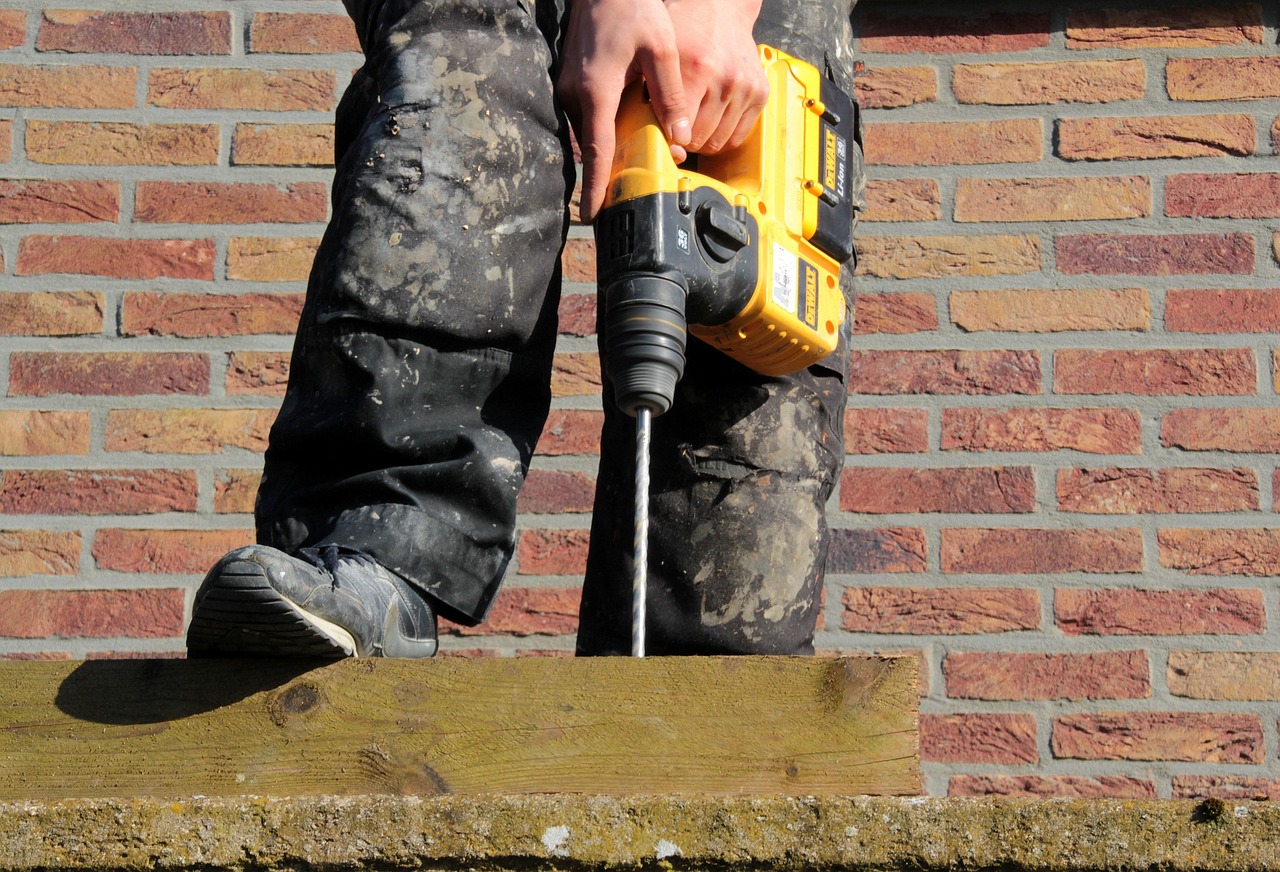
An 18V or 20V-class drill makes more sense for framing lumber, deck screws, hole saws, and repeated fastening. For concrete or masonry, a hammer drill or rotary hammer from the same brand line saves time and is easier on the motor.
Battery Platform Depth
Before buying, count how many tools use the same battery. A drill may look low-cost today, but a thin platform can cost more when the user needs the next tool.
Better brands give you drills, impact drivers, saws, grinders, lights, vacuums, and outdoor tools in one family. That means fewer chargers on the bench and fewer dead packs sitting in the truck.
Service After the Sale
Service does not look exciting in a catalog, but this is where stronger brands prove their value. Check warranty terms, repair centers, parts support, and authorized sellers before placing the order.
Public brand-level failure-rate data for cordless drills is not published in a steady apples-to-apples way, so random comments should not be treated as proof. Clear warranty wording and easy service access are more useful for buying decisions.
Which Good Drill Brands Stand Out in 2026?
No one brand is right for every user. A trim carpenter, warehouse maintenance team, homeowner, and tool importer all buy for different reasons. Still, several names show up again and again because they have wide platforms, common sales channels, and enough track record to make buyers comfortable.
Milwaukee for Heavy Cordless Work
Milwaukee is often picked by electricians, plumbers, mechanical trades, and site crews who need strong cordless tools. Its M12 and M18 families cover compact work and higher-output work, so a buyer can choose a small installation drill and a serious hammer drill without leaving the brand.
In Pro Tool Reviews’ current reader poll page accessed in July 2026, Milwaukee led the cordless power tool category with 33.3% of votes, followed by Makita at 19% and DeWalt at 10.6%. That is not lab testing, but it does show trade opinion from a tool-focused audience. (protoolreviews.com)
DeWalt for Wide Retail Availability
DeWalt is a safe pick when buyers want broad availability in North America, easy accessory matching, and many kit choices. It fits remodelers, framers, installers, and serious home users who want batteries that work across many tools.
DeWalt’s official U.S. warranty page states that many tools carrying its standard package include a three-year limited warranty, one-year free service contract, and 90-day money-back guarantee, with limits and exclusions. That service package is one reason the brand is easy to recommend when retail support matters. (dewalt.com)
Makita, Bosch, and Ryobi for Different Budgets
Makita works well for users who like smooth handling, lower weight, and a pro-focused cordless line. Bosch is strong in compact drills, masonry tools, and clean tool design.
Ryobi is often the practical choice for homeowners who want many tools at a fair price. Makita’s official U.S. service information lists a three-year limited warranty for lithium-ion power tools, batteries, and chargers, so it stays on the shortlist when clear warranty coverage is part of the buying check. (makitatools.com)
How Should You Compare Drill Brands Before Buying?
Brand names help, but the drill still has to feel right in hand. Consumer Reports notes in its cordless drill guidance that voltage can be misleading because one brand’s 14.4V drill may not beat another brand’s 12V tool, and it recommends judging power, speed, run time, recharge time, handling, clutch settings, size, and weight. That is a useful checklist for a homeowner, contractor, or wholesale sourcing manager. (consumerreports.org)
Match Voltage to Material
Choose 12V if the work is mostly furniture assembly, cabinet fitting, electrical boxes, and light-duty repairs. Choose 18V or 20V-class tools if the user drives long screws, drills metal, cuts holes, or works several hours a day.
Choose a hammer drill when masonry is common. A normal drill can make a few holes in soft brick with the right bit, but it is not the tool anyone wants for a full day of anchors.
Feel the Tool with Battery
A bare drill on a shelf can feel fine, then become nose-heavy after the battery is clipped in. Hold it with the battery size you plan to use, not just the empty tool body.
A compact 2Ah pack keeps the drill lighter for overhead work. A 5Ah pack gives longer run time, but it can tire the wrist when installing curtain rails or conduit clips above shoulder height.
Check the Battery Family
Do not buy only the cheapest kit. Look three tools ahead, because the next purchase often decides whether the platform was a good choice.
If you may later need an impact driver, circular saw, grinder, light, inflator, or blower, the battery family becomes the real purchase. Good drill brands make expansion easy, while weak brands leave you with one drill, one charger, and no sensible next step.
What Specs Matter More Than Brand Hype?
Marketing numbers can sound bigger than they are. Torque, speed, impacts per minute, and battery amp-hours all matter, but no single number tells the full story. In daily use, a drill that feels controlled, runs cool, and holds bits well will often beat a louder spec sheet.
Brushless Motor Efficiency
A brushless motor is now common in many pro and mid-range drills. It usually gives better run time, lower heat, and longer motor life than a basic brushed motor.
If a user drills only a few holes each month, brushed can still be acceptable. If the drill is used weekly or daily, brushless is usually worth the extra cost.
Chuck Quality and Clutch Control
A slipping chuck damages good bits and wastes time. For harder work, look for a metal chuck or a good ratcheting chuck. See also: Tool Categories.
Clutch settings also matter, especially when driving small screws into hinge plates, cabinet hardware, or plastic anchors. Too much torque at the wrong moment can strip a screw very quickly.
Runtime, Charger Speed, and Weight
Runtime is not only about battery size. Motor design, gearing, bit sharpness, material, and user pressure all change how long a pack lasts.
Fast chargers help a two-battery kit keep working through the day. Weight matters too: for deck building, a heavy drill may feel strong, but for ceiling brackets, that same tool becomes tiring fast.
Which Brand Fits Your User Type?
The better buying decision starts with the job, not the logo. Think about how often the drill runs, what materials it handles, and what downtime would cost. A homeowner can wait for a sale or a replacement. A contractor losing half a day to a dead tool pays for it in labor and delay.
Home DIY Users
For home users, Ryobi, Craftsman, Black and Decker, and entry-level DeWalt or Bosch kits can make sense. The main needs are fair power, simple controls, and batteries that also fit small saws, lights, or inflators.
A compact 12V drill is enough for many apartments and garages. There is no need to buy a large heavy drill just to hang shelves, assemble furniture, or fix a loose bracket.
Remodelers and Woodworkers
Remodelers usually need a good balance of power and feel. DeWalt, Makita, Milwaukee, and Bosch all fit this group.
A two-tool kit with a drill and impact driver is often the practical buy. The drill handles holes and controlled fastening, while the impact driver handles long screws and stubborn fasteners.
Electricians, Plumbers, and Site Crews
Trade users should look at Milwaukee, DeWalt, Makita, Bosch Professional, Hilti, and Metabo HPT depending on local service. Electricians may prefer compact installation drivers and right-angle options.
Plumbers may care more about hole saw power and wet-site toughness. Site crews often stay with the brand already stocked in the van because shared batteries reduce downtime.
How Can Trade Buyers Choose Safer Drill Brands?
If you buy drills for resale, private label, or bulk project supply, brand choice is also a risk control job. The tool must work, and the packaging, labels, manuals, accessories, battery markings, and after-sales support also need checking. A low unit price can disappear quickly if returns start to build up.
Ask for Real Compliance Documents
Request test reports, battery transport documents, charger certificates, and user manual samples before payment. The names on the documents should match the product, model, factory, and date.
If a seller sends a blurry certificate for a different tool, treat it as a warning sign. Good suppliers should be able to provide basic paperwork without making the buyer chase them again and again.
Test Samples Before Bulk Orders
Run simple sample tests before confirming a bulk order. Drill repeated holes in pine, drive screws into framing lumber, test the clutch on small screws, charge both batteries, and check heat after heavy use.
Also inspect the chuck, trigger, forward-reverse switch, and battery latch. A 30-minute bench test can catch problems that a product photo will never show.
Plan Parts, Labels, and Packaging
For trade buyers, the right drill brand is also the one that can ship spare chargers, batteries, carbon brushes if used, chucks, labels, and cartons on time. This matters more after the first container, when repeat orders and after-sales cases start coming in.
Packaging should state voltage, battery capacity, charger input, warranty terms, and safety warnings clearly. Clean labeling lowers customer confusion and helps the support team answer questions faster.
FAQ
Q1: What are good drill brands for most buyers? A: Milwaukee, DeWalt, Makita, Bosch, and Ryobi cover most needs. Milwaukee, DeWalt, and Makita lean more professional, Bosch is strong for compact and masonry work, and Ryobi is practical for home users.
Q2: Is Milwaukee better than DeWalt? A: Milwaukee often suits trade users who want strong cordless systems, while DeWalt is good for broad availability and familiar job-site kits. The better choice depends on your batteries, local service, and daily tasks.
Q3: Is a 20V drill always stronger than a 12V drill? A: No. Voltage gives a rough idea, but motor design, gearing, battery quality, and bit choice all affect real power. Some premium 12V drills can beat weak higher-voltage models in light work.
Q4: Should you buy a drill and impact driver combo? A: Yes, if you drive many screws. Use the drill for holes and careful fastening. Use the impact driver for long screws, lag bolts, and tougher fastening jobs.
Q5: What should importers check before ordering drill brands in bulk? A: Check sample performance, battery documents, charger safety papers, warranty terms, packaging accuracy, spare parts supply, and whether the supplier can keep model details consistent across repeat orders.