Which Milwaukee Power Tool Batteries Are Best for Your Tools?
Which Milwaukee Battery Platform Fits Your Tools?
Choosing milwaukee power tool batteries is not about picking the largest pack in the store. It is about matching the battery to the tool and to the work you do most days. A trim carpenter, an HVAC tech, a concrete crew, and a homeowner cutting branches after a storm will not need the same pack. According to Milwaukee Tool’s 2026 battery guidance, M18 batteries fit M18 tools and chargers, M12 batteries fit M12 tools and chargers, and MX FUEL batteries fit MX FUEL equipment and chargers. Source: Milwaukee Tool Batteries and Chargers page, 2026. (milwaukeetool.com)
M18 for Full-Size Cordless Work
M18 is the main platform for drills, impact wrenches, circular saws, grinders, rotary hammers, blowers, and many other trade tools. If you want one battery line for a jobsite, M18 usually covers the most daily work. A 5.0Ah pack on an impact driver feels normal and easy to carry. That same pack on a grinder may run down fast because grinders pull heavy current.
M12 for Tight Spaces and Service Calls
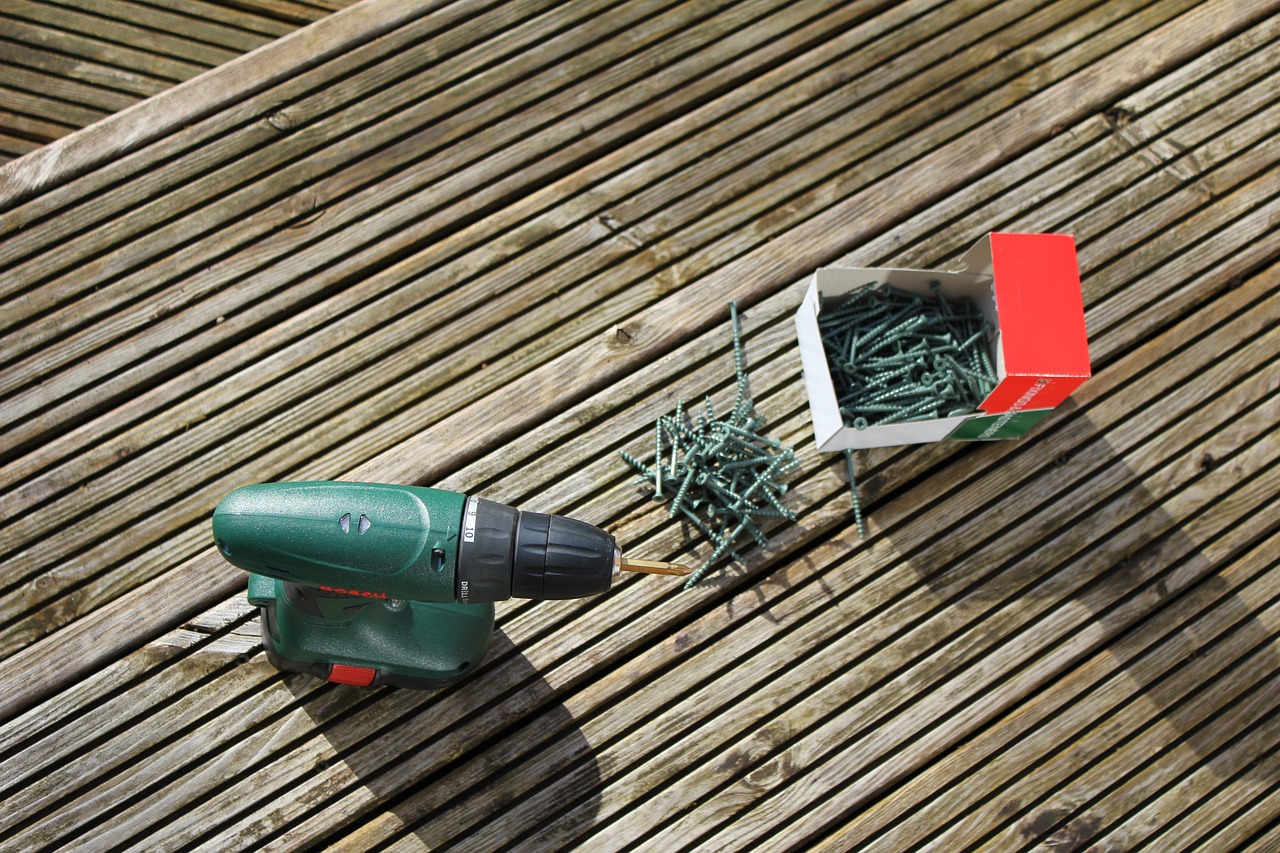
M12 batteries make sense when the tool needs to stay small and easy to handle. They fit well for cabinet installs, maintenance work, electrical panels, automotive interiors, light plumbing, and overhead fastening. The lighter pack matters after a few hundred screws. It also helps when the tool sits in a service bag with meters, bits, gloves, and the marker that always goes missing.
MX FUEL for Equipment-Level Jobs
MX FUEL is not just a larger hand-tool battery. It is made for heavier equipment such as core drills, cut-off saws, light towers, and larger jobsite gear. If you need portable power without gas fumes or long extension cords, MX FUEL can be the right choice. For ordinary drills and saws, it is more battery than you need.
How Do Amp-Hours Change Run Time?
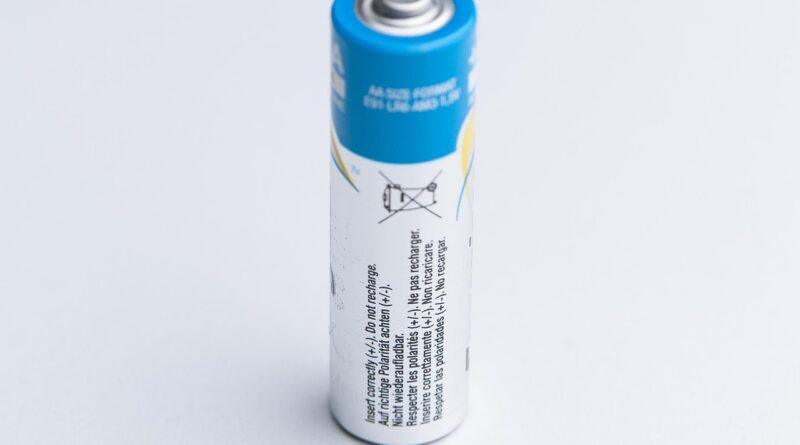
Amp-hours, shown as Ah, are easy to mix up with power. In simple terms, Ah tells you how much charge the pack can hold. It affects run time, but the final result also depends on tool design, motor load, temperature, material, blade sharpness, and trigger habits. For flight and shipping questions, watt-hours matter too. The common calculation is volts times amp-hours, so an 18V 5.0Ah pack is about 90Wh.
Compact Packs Keep Tools Light
Compact packs, often marked CP, work well for fastening, light drilling, punch-list work, inspection tools, lights, and compact drivers. They keep the tool balanced and easier to move. A small pack on an impact driver can feel quicker in the hand than a large pack. You notice that most when hanging doors or driving screws above shoulder height.
XC Packs Balance Weight and Work Time
XC packs sit in the middle of the range. A 5.0Ah or 6.0Ah battery is often the normal choice for M18 users because it gives useful run time without making every tool feel like a brick. For many buyers, two mid-size packs are better than one huge pack. One battery can charge while the other keeps the work moving.
HD Packs Serve High-Draw Tools
HD batteries are made for tools that use power fast, such as saws, grinders, SDS hammers, vacuums, blowers, and outdoor power equipment. They add size and weight, so they are not comfortable on every tool. On a mower or blower, the extra capacity helps. On a compact drill, the same battery can feel awkward.
Are REDLITHIUM High Output and FORGE Batteries Worth the Extra Money?
Higher-priced Milwaukee batteries cost more, so the better question is not whether they are the best on paper. The real question is whether your tool can use the extra output and whether battery swaps slow down paid work. Milwaukee states that M18 REDLITHIUM High Output packs provide 50% more power and run 50% cooler than standard M18 REDLITHIUM packs, while M12 High Output packs provide 25% more power and run 25% cooler than standard M12 REDLITHIUM packs. Source: Milwaukee Tool Batteries and Chargers page, 2026. (milwaukeetool.com)
High Output Runs Cooler Under Load
Heat is a common problem in cordless work. When a saw cuts wet lumber or a grinder stays in steel for too long, the battery heats up. High Output packs are made for those heavier loads. You may not see much difference on a small flashlight, but on a circular saw the change can be clear because the pack handles current better.
FORGE Cuts Downtime on Busy Crews
FORGE packs are aimed at users who need faster charging, stronger output, and longer pack life. Milwaukee’s public product data says the M18 REDLITHIUM FORGE XC6.0 has power comparable to the M18 High Output HD12.0 in a pack that is 30% smaller and 40% lighter. The same data says it can charge to 80% in 15 minutes with the M18 Dual Bay Simultaneous Super Charger. Source: Milwaukee Tool press release, 2023, still listed in 2026. (milwaukeetool.com)
Standard REDLITHIUM Still Makes Sense
Standard REDLITHIUM packs are still useful for many users. If you mostly drive screws, drill pilot holes, use lights, or keep backup batteries in a truck, paying more for the top line may not come back in real use. A lower-cost genuine battery that fits the tool and has warranty support is often the better buy. It is better than paying for a high-end pack that stays in the box.
Which Charger Should You Use with Milwaukee Batteries?
Charging is where many battery setups become messy. One charger on a shelf works for light use, but a crew running grinders, vacuums, and saws needs a charging plan. Milwaukee says its chargers communicate with batteries to monitor cell voltage, temperature, and charge status. The company also says Super Chargers give the fastest charging experience across its battery fleet compared with standard and rapid chargers. Source: Milwaukee Tool Batteries and Chargers page, 2026. (milwaukeetool.com)
Standard Chargers Suit Overnight Charging
A standard charger is enough when batteries can sit overnight. It also works well for users who do not need a fast turnaround during the day. For a garage shop, small maintenance team, or DIY setup, slower charging can be fine. Sometimes the plain setup is the one that causes the least trouble.
Rapid Chargers Fit One-Person Workflows
Rapid chargers are a good middle choice. If you rotate two to four batteries during a day, a rapid charger usually keeps work moving. The exact time depends on pack size, pack temperature, and charger model. Hot packs may wait before charging, and that catches some users off guard the first time.
Super Chargers Help Shared Tool Cages
Super Chargers make the most sense where downtime costs money. Milwaukee’s M18 charging data lists room-temperature charge examples, including a FORGE XC6.0 full charge in 25 minutes, 15 minutes to 80%, an M18 High Output HD12.0 full charge in 60 minutes, and an M18 XC5.0 full charge in 60 minutes on an M18 Super Charger. That type of speed matters more in a shared tool cage than in a home garage. Source: Milwaukee Tool M18 Batteries and Chargers page, 2026. (milwaukeetool.com) See also: Brands.
How Should You Store and Travel with These Batteries?
Battery care is not exciting, but it does save money. A pack bouncing around a truck bed, sitting wet on concrete, or baking near a window in August will have a harder life. There is no reliable public dataset that gives verified failure rates by Milwaukee battery model. For that reason, care advice should come from manufacturer guidance and safety bodies, not forum stories.
Room-Temperature Storage Reduces Stress
Milwaukee recommends storing batteries at room temperature away from moisture when they are not in use. That sounds basic, but it is easy to ignore on a busy jobsite. Keep batteries off damp floors, away from metal scraps, and out of extreme heat. If a pack is hot after heavy use, let it cool before charging.
Carry-On Rules Matter for Flights
If you fly with tools in the United States, the battery becomes the regulated item. The FAA says the safest approach is to remove the battery, pack the battery in carry-on baggage, and check the tool. It also says rechargeable lithium-ion batteries are generally limited to 100Wh each. Airline approval is needed for up to two spare batteries in the 101Wh to 160Wh range. Source: FAA PackSafe Power Tools guidance, 2025. (faa.gov)
Genuine Packs Lower Safety Risk
Cheap packs can look attractive, especially online. It is still worth being careful. UL Research Institutes warns that counterfeit lithium-ion batteries may lack proper internal protections against overcharging and overheating. That can lead to thermal runaway and injury. Source: UL Research Institutes Know Your Battery, 2026. (ul.org)
What Buying Checklist Helps You Choose Better?
A good battery purchase should be straightforward. The pack fits the tool, fits the charger, matches the workload, comes from a trusted seller, and has a clear label. If a deal looks far too cheap, stop and check it. Genuine packs cost real money because cells, electronics, housings, testing, and support all cost real money.
Match the Battery to the Tool Type
Use compact packs for light tools and tight spaces. Use XC packs for regular drilling, fastening, and saw work. Use High Output, HD, or FORGE packs for high-draw tools. If the tool drains a small pack in minutes, the battery is not bad; it is just the wrong match for that job.
Check Labels, Warranty, and Seller
Look for clear model numbers, Ah rating, Wh rating when shown, clean printing, proper packaging, and normal warranty support. Buy from authorized or reputable sellers when possible. A marketplace listing with blurry photos and no receipt is not a good place to save a few dollars. The risk is usually not worth the small discount.
Plan a Rotation Instead of One Huge Pack
For most users, a battery rotation works better than one oversized pack. Two 5.0Ah batteries and a decent charger can cover more work than one larger battery that stops the job when empty. For crews, label packs by team or tool cage. It may feel fussy, but lost batteries tend to disappear before lunch.
FAQ
Q1: Are All M18 Milwaukee Batteries Compatible with All M18 Tools? A: Milwaukee states that all M18 batteries are compatible with M18 tools and chargers. Heavy tools still perform better with higher-output packs.
Q2: Is a 5.0Ah Milwaukee Battery Enough for Daily Work? A: Yes, for many drills, drivers, lights, and moderate saw use. For grinders, blowers, vacuums, and outdoor tools, larger High Output or FORGE packs usually make more sense.
Q3: Do Milwaukee FORGE Batteries Need a Special Charger? A: They can work within the Milwaukee system, but the fastest advertised charging speeds require compatible Super Charger models. A standard charger will not give the same turnaround.
Q4: Can You Take Milwaukee Batteries on a Plane? A: In the United States, spare lithium-ion batteries must go in carry-on baggage. Check the Wh rating and ask the airline before flying with batteries above 100Wh.
Q5: Should You Buy Third-Party Milwaukee-Compatible Batteries? A: For safety, performance, and warranty reasons, genuine Milwaukee batteries from trusted sellers are the safer choice. Counterfeit or uncertified packs can create real risk.