Which Power Tool Brands Are Best for Pros and Serious DIY Buyers?
Why Do Power Tool Brands Matter before You Buy?
The best power tool brands are not only about a strong motor in a bright plastic case. They also decide which batteries you keep buying, where you find spare parts, how quickly you can replace a charger, and whether your next circular saw, grinder, or impact driver works with the kit already on your shelf.
Battery Platforms Shape Future Costs
A low-price drill kit can cost more later if the battery platform has only a few tool choices. Once you already own two batteries and a charger, the next bare tool is usually the easy purchase, so the first kit sets the direction for the next few years.
Service and Parts Save Downtime
For a contractor, downtime can hurt more than the price gap between two kits. A brand with nearby repair centers, easy-to-find parts, and clear warranty handling can save a workday, and for a homeowner it still matters when a charger or trigger fails halfway through a weekend repair.
Brand Fit Beats Brand Fame
A well-known name helps, but it should not be the only reason you buy. A cabinet maker, plumber, landscaper, and DIY homeowner all need different tools, so list the next five tools you may need and check whether one battery family covers them without forcing awkward compromises.
Which Brands Lead the Jobsite Conversation?
No single brand wins every job category. The better choice usually depends on trade focus, battery depth, price range, and what you can actually buy or repair in your local market.
Milwaukee for Trade Focus
Milwaukee is often seen on electrical, plumbing, mechanical, and remodeling jobs because its cordless range includes many trade-specific tools. Parent company Techtronic Industries reported in its 2025 annual report that Milwaukee grew 7.9% and Ryobi grew 5.4% in local currency, which shows steady demand from both pro and consumer buyers. Source: Techtronic Industries Annual Report 2025. (ttigroup.com)
DEWALT for Broad Professional Range
DEWALT is a common pick when buyers want one professional battery system for drills, saws, grinders, outdoor tools, storage, and accessories. Stanley Black & Decker reported 2025 Tools & Outdoor net sales of $13.158 billion, and its listed trademarks include DEWALT, CRAFTSMAN, STANLEY, BLACK+DECKER, FLEXVOLT, and POWERSTACK. Source: Stanley Black & Decker 2025 Annual Report. (sec.gov)
Makita for Cordless Depth and Global Reach
Makita is worth checking when you want a long cordless lineup, steady tool balance, and wide international availability. For the fiscal year ended March 31, 2026, Makita reported revenue of 777,600 million yen, up 3.2% year over year, while noting slow housing demand and tariff disruption. Source: Makita Financial Information, FYE2026. (makita.biz)
How Should You Compare Cordless Tool Platforms?
Cordless tools are now the normal choice for many jobs, but the battery label does not tell the whole story. You still need enough power, enough runtime, and enough tool choices, and one extra charged battery at 4:45 p.m. can save more trouble than people expect.
Voltage Is Only One Clue
Higher voltage can help with heavy tools, but it does not automatically make a drill or saw better. Motor design, cell quality, heat control, gearbox build, and the blade or bit you use all affect the result, so compare real tool performance instead of looking only at 12V, 18V, 20V, 36V, or 40V labels.
Battery Availability Matters More Than a Sale
A discount kit can look good at checkout, but battery prices should be checked before you buy. Look for common pack sizes, multi-bay chargers, and bare tool availability, because rare or high-cost batteries can turn the first bargain into a more expensive platform later.
Chargers and Storage Need a Plan
If tools are used every day, set up a charging spot with airflow, clean shelves, and simple labels for charged and empty packs. Do not leave batteries loose in a truck bed with screws, drill bits, and metal scraps, because that small messy area can become the part of the kit that costs you the most.
Which Safety Details Should Guide Your Brand Choice?
Power, speed, and small size get plenty of attention, but safety features should stay high on the checklist. A faster cutting tool is not a good buy if the guard feels weak, the brake reacts slowly, or the handle shape lets the tool twist in your hand.
Guards and Switches Are Nonnegotiable
OSHA guidance for hand and power tools says guards must protect users from points of operation, rotating parts, and flying chips or sparks. It also says safety guards must never be removed during use and lists tools that need constant-pressure controls. Source: OSHA Hand and Power Tools publication. (osha.gov)
Recalls Deserve a Quick Check
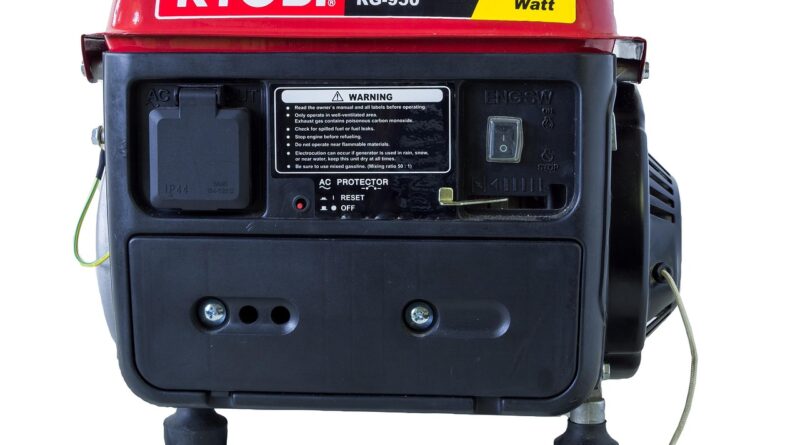
A good brand name does not remove the need to check recalls. In 2025, the U.S. Consumer Product Safety Commission announced a RYOBI pressure washer recall after 135 reports of capacitor overheating, including 41 explosions and 32 injuries. The simple habit is to check model numbers, not only the brand name. Source: CPSC recall notice, 2025. (cpsc.gov)
Ergonomics Shows up after Hour Three
Pick up the tool if you can, because the weight on paper is not always how it feels at work. A compact impact driver may feel right for overhead tasks, while a heavier drill may feel steadier when drilling large holes, so handle angle, trigger feel, vibration, and balance can matter more than a small torque difference in a catalog. See also: Tool Categories.
Which Brand Is Best for Each Buyer Type?
The right answer depends on how the tools will be used. Buying for a crew is not the same as buying for a garage shelf, so look at tool range, spare batteries, repair support, and the work that actually pays the bill or gets done at home.
Professional Contractors Need Depth
Contractors should shortlist brands that cover trade tools, jobsite lights, vacuums, saws, grinders, radios, rotary hammers, and fast chargers. Good pro choices often include Milwaukee, DEWALT, Makita, Bosch, and Hilti, but the better pick still depends on the trade and local service support.
- For electrical and plumbing work, check compact specialty tools first.
- For framing and remodeling, compare saws, nailers, and high-output batteries.
- For concrete work, look closely at rotary hammers, dust extraction, and service plans.
Workshop Owners Need Accuracy
Woodworkers and metalworkers usually care about accuracy, vibration, accessories, and dust control before they care about the logo. A track saw, sander, router, or grinder needs good feel and repeatable results, so Festool, Bosch, Makita, DEWALT, Metabo, and Fein often come into the discussion depending on the job.
Homeowners Need Simple Ecosystems
For homeowners, the best brand may be the one that keeps the setup simple and easy to store. Ryobi, CRAFTSMAN, BLACK+DECKER, and entry-level lines from bigger pro brands can make sense for shelves, fences, furniture assembly, and yard work, and most people do not need the heaviest-duty tool just to hang blinds.
How Can You Avoid Overpaying for a Logo?
A trusted logo has value, but it should not make the whole decision. The buying method is simple: match the tool to the work, check the battery math, and keep the kit organized enough that you know what you already own.
Buy the Kit That Matches the First Five Jobs
Do not start with the largest combo kit just because it looks like a good deal. Start with your first five jobs, since a drill, impact driver, circular saw, reciprocating saw, and work light may fit many users, while others may need an oscillating tool or grinder much sooner.
Check Bare Tool Pricing before Starter Kits
Starter kits can hide the real cost of a battery platform. Check the bare tool price for the next two tools you may buy, and also check battery pack prices in the size you will actually use, because a 2Ah pack is light and handy but will not run a cordless grinder for long.
Do Not Mix Too Many Battery Families
Owning every battery platform sounds useful until the chargers take over the bench. Two platforms can be reasonable, such as one compact 12V family and one high-power 18V or 20V family, but five platforms usually means more clutter, more dead packs, and more searching before the job starts.
FAQ
Q1: What Is the Best Power Tool Brand Overall? A: There is no single best brand for every buyer. Milwaukee, DEWALT, Makita, Bosch, and Hilti are strong professional choices, while Ryobi and CRAFTSMAN can be smart for homeowners and light-duty users.
Q2: Are Brushless Power Tools Worth It? A: Yes, in many cases. Brushless tools often run longer, make less heat, and need less motor maintenance than brushed tools. For a tool you use often, the higher price is usually easier to justify.
Q3: Should You Stay with One Battery Platform? A: For most users, yes. Staying with one main battery platform cuts charger clutter and battery cost. Add a second platform only when it gives you a clear tool advantage.
Q4: Is a Pro Brand Too Much for DIY Work? A: Not always. If you renovate often, a pro brand can feel better and last longer. If you only assemble shelves twice a year, a lighter consumer brand may be the smarter buy.
Q5: What Should You Check before Buying a New Tool Brand? A: Check the battery range, warranty, local service, bare tool prices, safety features, and the next five tools you may need. That quick check prevents most buyer regret.