
Which Chain Saw Brands Are Worth Buying in 2026?
Which Chain Saw Brands Fit Your Work Best?
Choosing between chain saw brands is not only about the name on the side cover. You are buying the saw, the chain system, the safety setup, the parts supply, and in many cases a battery platform that may stay in your shop for years. Consumer Reports says in its 2026 buying guidance that buyers who already own battery-powered outdoor gear should look at the same brand first, because batteries often work across tools in that line. That point matters more than it sounds, because one spare battery can cost close to a basic saw kit. (consumerreports.org)
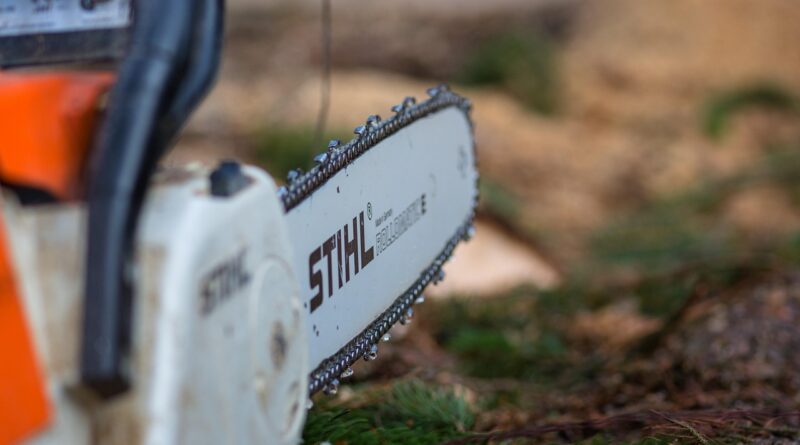
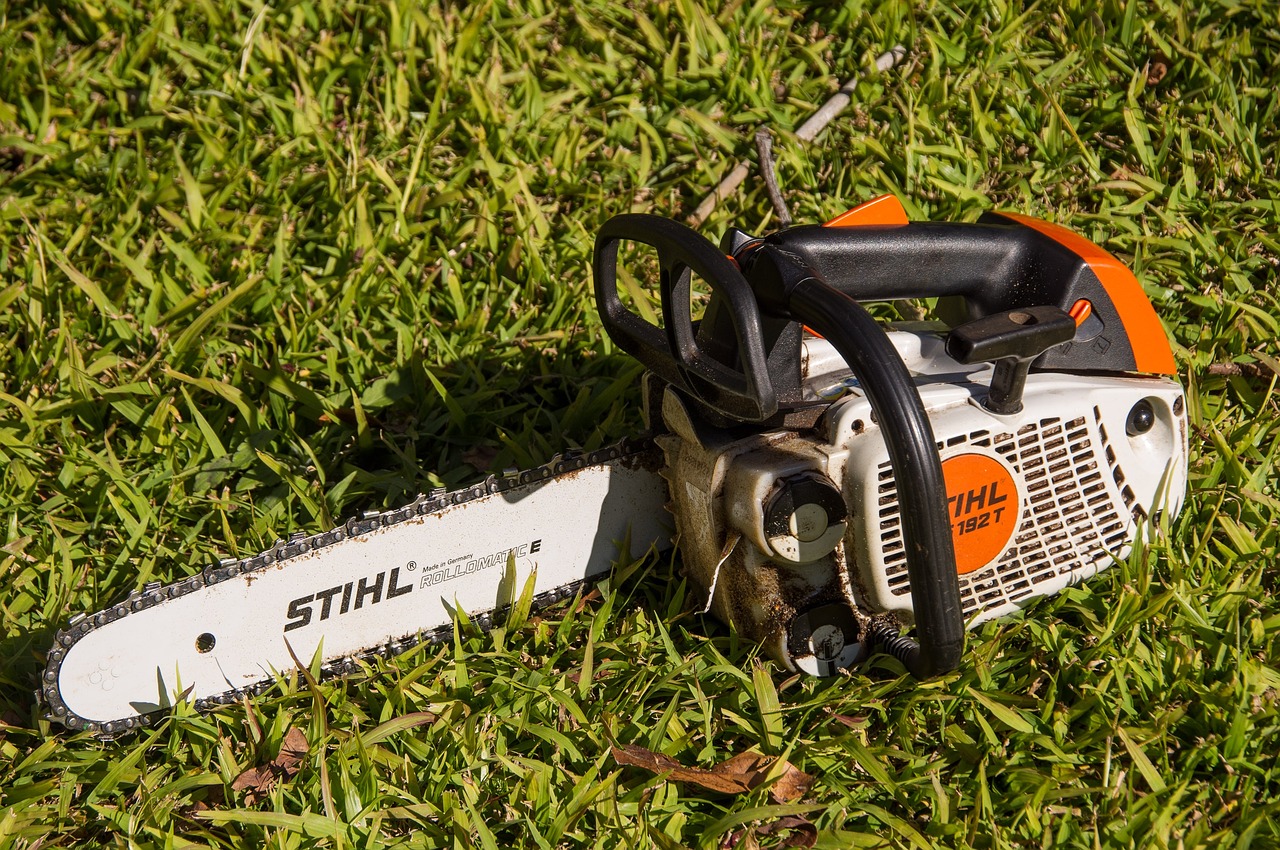
STIHL for Dealer Support and Pro Saws
STIHL is a common first choice when you want strong dealer support, many model choices, and a brand that tree crews already use. Its U.S. buyer guide separates chainsaws into homeowner, farm and ranch, and professional groups, with gas and battery models in the range. That makes the buying job simpler, because a homeowner clearing storm limbs does not need the same saw as a crew cutting hardwood all day. STIHL often costs more than some other options, but the dealer counter, parts advice, and chain setup help can save time when the saw will not start on a busy weekend. (stihlusa.com)
Husqvarna for Forestry Range and Power Choices
Husqvarna is also a serious choice, especially for forestry, land care, and firewood work. Its U.S. product page reviewed in July 2026 showed gas and battery chainsaws across professional, residential, battery and electric, gas, and top-handle categories, with 51 products listed on the page. That range helps if you want one brand for a small pruning saw now, a mid-size ranch saw later, and a stronger felling saw when the work grows. The brand also makes it easy to compare pitch, bar length, power type, and output details before you place an order. (husqvarna.com)
ECHO for Value-Minded Gas Users
ECHO is worth checking when price matters but you still want a known outdoor power equipment brand. Its U.S. chainsaw page lists gas and battery choices, including homeowner and landowner gas models such as the CS-310 and CS-590 Timber Wolf. The same page points to Pro-Fire ignition for fast starts and smooth operation on its gas saws. If you cut firewood a few weekends a year, ECHO can be a sensible middle option, with less brand talk, enough cutting power, and prices that often sit below larger pro-focused lines. (echo-usa.com)
Should You Choose Gas or Battery Chain Saw Brands?
The power source changes the way a saw works in real use. Gas gives long run time and quick refueling. Battery gives easy starts, lower maintenance, and no fuel mixing. Corded electric still has a place, but only for certain jobs. Before you buy the biggest bar you can find, think about how often you cut, where the wood sits, and whether the saw may stay unused for months.
Gas for Heavy Wood and Long Days
Gas is still the better fit for large hardwood, remote land, long firewood sessions, and professional tree work. A gas saw can be refueled in minutes, and a sharp chain on a proper 50 cc to 70 cc saw will keep working after a battery pack is empty. The tradeoff is also clear: more noise, exhaust, pull-start care, fuel storage, carburetor work, and seasonal maintenance. If your work includes oak rounds wider than a dinner plate, or a storm drops several trees across a fence line, gas still feels less troublesome.
Battery for Clean Starts and Short Jobs
Battery chainsaws are not just for tiny branches anymore. Consumer Reports has tested battery and electric saws by cutting 10-by-10-inch oak beams, and its recent coverage says battery-powered chainsaws have improved a lot compared with earlier years. For homeowners, that is useful because a battery saw can sit near the back door, start with a button, and handle pruning, light firewood, and cleanup without fuel mixing. The catch is battery cost, so if you already use DeWalt, Milwaukee, Makita, EGO, Greenworks, STIHL, or Husqvarna batteries, the platform may decide the brand before the saw specs do. (consumerreports.org)
Corded Electric for Fixed Work Areas
Corded electric saws fit a narrow type of buyer: someone cutting near a house, barn, or workshop with safe outlet access. They are low-cost, simple, and fine for small logs. They are also limited by extension cords, wet ground, and reach. For a suburban yard with a woodpile twenty feet from the garage, corded electric can make sense, but for fence rows, orchards, and storm cleanup, it becomes annoying quickly.
How Do Safety Standards Change the Brand Shortlist?
A chainsaw is not just another power tool. The chain moves fast, kickback can happen without warning, and tired users make mistakes. The brand you choose should make safe setup clear, not confusing. Safety features do not replace training, a sharp chain, or protective gear, but they belong in the buying decision from the start.
Chain Brakes and Kickback Control
The CDC says approximately 36,000 people are treated in U.S. hospital emergency departments each year for injuries from using chain saws, with risk rising after hurricanes and other disasters when fallen trees are common. That number should stay in mind when comparing brands. A good saw should have a working chain brake, front hand guard, chain catcher, throttle lockout, and clear safety labeling. Cheap saws can cut wood, but the real question is whether they help protect you when a limb moves, the bar nose touches another log, or your footing gets bad in wet leaves. (cdc.gov)
ANSI, OSHA, and UL Context
For U.S. professional logging, OSHA requires chain saws placed into initial service after February 9, 1995, to have a chain brake and meet ANSI B175.1-1991 requirements for gasoline-powered chain saws. ANSI/OPEI B175.1-2025 now covers internal combustion engine-powered handheld chain saws and replacement saw chains. For electric saws, UL 62841-4-1 is the relevant safety standard family, with a revision dated April 9, 2026 adopting later IEC updates. In plain terms, serious brands design around known safety rules, and that should count for more than a cheap online discount. (osha.gov)
Protective Gear as Part of the Purchase
Set aside money for chaps, gloves, eye protection, hearing protection, boots, and a helmet when overhead limbs are part of the job. This is where some buyers make the wrong trade. They pay extra for a pro saw and then skip leg protection. Do not do that; if the saw costs more than planned, buy a smaller saw with proper gear instead of a larger saw and blue jeans.
Which Brand Ecosystem Saves Money Over Time?
The cheapest saw on the shelf is not always the cheapest saw to own. Chains get dull, bars wear, batteries age, sprockets need attention, and service access matters. A sound brand choice looks beyond the first receipt and asks what ownership will be like in year three.
Battery Sharing Across Yard Tools
If you already own cordless drills, blowers, trimmers, or mowers, check battery compatibility before looking at anything else. Milwaukee M18, DeWalt 60V Max, Makita XGT or LXT, EGO 56V, Greenworks 40V or 80V, STIHL AK or AP, and Husqvarna battery systems all push you toward staying in one family. Consumer Reports makes the same practical point in its buying guide: same-brand outdoor batteries are often interchangeable. The warning is simple, because voltage labels do not mean cross-brand fit; a 56V pack from one brand will not slide into another just because the number looks close. (consumerreports.org)
Bars, Chains, and Consumable Parts
Oregon Products explains that replacement chain selection depends on pitch, gauge, and drive link count. Those three numbers must match the bar and sprocket system. Do not buy by bar length alone, because a 16-inch chain can still be wrong if the gauge or drive link count is different. Better brands usually stamp specs on the bar and provide clear parts lists, which helps when you are standing in a shop aisle with an oily old chain in a plastic bag. (s2.oregonproducts.com)
Dealer Service and Warranty Access
Dealer support sounds boring until the saw stops oiling, the brake band drags, or the carburetor needs service. STIHL and Husqvarna stand out where dealer networks are strong. ECHO also has broad outdoor power equipment support. Tool brands such as Milwaukee, DeWalt, and Makita may be easier if your local repair route already runs through a tool dealer, so check who can sharpen chain, order bars, process warranty work, and answer a basic oil flow question before you buy. See also: Tool Categories.
Which Chain Saw Brands Suit Homeowners, Farms, and Pros?
The best brand depends on the work, not only on a ranking list. A homeowner wants easy starting and safe storage. A farm user wants durability and parts. A pro wants power-to-weight, fast service, and steady cutting. One saw rarely keeps all three buyers equally happy.
Homeowners and Storm Cleanup
For homeowners, STIHL, EGO, Greenworks, DeWalt, Milwaukee, Makita, and Husqvarna battery saws are often the cleanest route. Look for a 12-inch to 16-inch bar, tool-free or simple chain tensioning, automatic oiling, and a battery you can use in other tools. If you only cut fallen limbs twice a year, a quiet saw that starts every time is usually better than a gas saw that needs fresh fuel and patience.
Farm, Ranch, and Firewood Crews
Farm and firewood buyers should compare STIHL, Husqvarna, and ECHO first, then add Makita or Milwaukee if a battery platform is already on site. A 16-inch to 20-inch bar covers many real farm jobs. Balance matters more than bar length, because a slightly smaller saw with a sharp chain will beat a heavy saw that wears you out before lunch. Keep two chains ready, since one rock, nail, or dirty log can ruin the morning.
Arborists and Professional Forestry
Professional users often choose STIHL or Husqvarna for rear-handle felling saws and top-handle arborist saws, with ECHO also used by many crews. Top-handle saws are special tools for trained tree workers, not casual backyard purchases. For pro buyers, the best brand is the one with fast parts, known model behavior, good anti-vibration, and a dealer that can turn repairs quickly. Downtime costs money, and nobody wants a dead saw sitting in the truck during a paid removal job.
How Should You Compare Models Before Buying?
Once the brand shortlist is clear, compare the actual models. Two saws from the same brand can feel very different. One may be a light pruning tool, while the next may be a real firewood saw. Specs help, but the saw still needs to feel right in your hands.
Bar Length and Wood Size
Match bar length to the wood you cut most often, not the biggest log you might meet once. For pruning and small cleanup, 10-inch to 14-inch bars are easy to handle. For homeowner firewood, 16-inch bars are common. For farm and ranch work, 18-inch to 20-inch bars are useful if the engine or motor can pull them well, but oversized bars slow cutting, add nose weight, and encourage awkward cuts.
Weight, Vibration, and Daily Fatigue
Pick up the saw with the battery installed or the fuel tank filled if you can. Dry weight numbers can mislead buyers. A saw that feels fine for ten seconds in a store can feel clumsy after thirty cuts. Anti-vibration matters for gas saws, handle shape matters for every saw, and if your grip feels stretched or the front handle angle feels odd, choose another model.
Real Cutting Tests and Honest Reviews
Use lab tests, dealer advice, and owner reviews together. Consumer Reports uses repeatable cutting tests and owner reliability surveys, while official brand pages provide specs and feature details. Neither source tells the whole story by itself. Reviews can overreact to shipping damage or dull factory chains, and brand pages usually make every model sound better than it is, so check verified specs, safety features, parts support, and the wood you actually need to cut.
FAQ
Q1: What Are the Best Chain Saw Brands for Homeowners? A: STIHL, Husqvarna, EGO, Greenworks, DeWalt, Milwaukee, and Makita are strong homeowner options. Choose based on battery compatibility, local service, bar length, and how often you cut.
Q2: Are Battery Chainsaws Good Enough for Firewood? A: Yes, for light to moderate firewood, especially with sharp chain and spare batteries. For large hardwood rounds or long cutting days, gas still has the edge.
Q3: Is STIHL Better Than Husqvarna? A: Not always. STIHL often wins on dealer support in many areas, while Husqvarna has a deep forestry range. The better choice is the brand with the right model and better local service near you.
Q4: What Chain Specs Should You Check Before Buying Replacements? A: Check pitch, gauge, and drive link count. Bar length alone is not enough, and the wrong chain can fit poorly or not fit at all.
Q5: How Much Chainsaw Safety Gear Do You Really Need? A: At minimum, use chainsaw chaps, gloves, eye protection, hearing protection, and sturdy boots. For overhead work or tree cleanup, add a helmet with face protection.