Which Top Chainsaw Brands Are Truly Worth Buying in 2026?
What Makes Top Chainsaw Brands Worth Your Money?
When you compare top chainsaw brands, the best choice is not always the biggest logo on the rack. A sound chainsaw brand should give you enough cutting power, steady access to parts, basic safety design, and models that match the work you actually do. For more tool brand guides, the Taodili Brands section is a useful place to keep browsing.
Public market data does not tell the whole story. The Outdoor Power Equipment Institute says its member shipment data represents more than 90 percent of U.S. outdoor power equipment shipments, but detailed chainsaw shipment tables are not fully public. For that reason, a fair brand guide should not make up market-share numbers. It should look at company history, safety guidance, service networks, and how each brand handles normal cutting work.
Dealer Support and Parts Supply
A chainsaw is not a cheap drill bit you use once and forget. You may need chains, bars, sprockets, filters, files, batteries, chargers, and sometimes a carburetor repair. STIHL, Husqvarna, and ECHO are strong in this area because they have wide outdoor power equipment dealer networks. For battery users, Milwaukee, DeWalt, and EGO are good picks when you already own their battery platform.
Proven Safety Features
Good brands build safety into the saw instead of leaving it as a warning label on the box. Check for a working chain brake, front hand guard, throttle lockout, chain catcher, clear oil window, and chain tensioning that you can handle without a fight. OSHA chainsaw safety guidance also calls out proper personal protective equipment. That includes hand, foot, leg, eye, face, hearing, and head protection.
Real Fit for the Job
A 12-inch battery saw can be the right tool after wind drops a few branches in the yard. It is not the right tool for bucking a stack of 18-inch oak logs all afternoon. Brand quality matters, but the saw still has to fit the job. That is why the right answer often changes from one buyer to another.
Which Gas Chainsaw Brands Still Lead Heavy Cutting?
Gas saws still make sense when you need long run time, fast cutting, and quick refueling away from the house. Consumer Reports notes that gas chainsaws tend to cut quickly and smoothly, while they are also heavier, louder, and need more maintenance than electric models. That tradeoff has been around for years, and it still shows up on job sites and farms.
STIHL for Pro Forestry and Dealer Service
STIHL has one of the best-known names in chainsaws. The company traces its start to Andreas Stihl in 1926, and STIHL corporate history says the brand has been the world’s top-selling chainsaw brand since 1971. That is a brand claim, not a full public sales table, but it fits what many forestry, farm, and tree care buyers see in daily use. STIHL is a strong choice if you care about dealer setup, repair support, and professional gas models.
Husqvarna for Felling and Farm Use
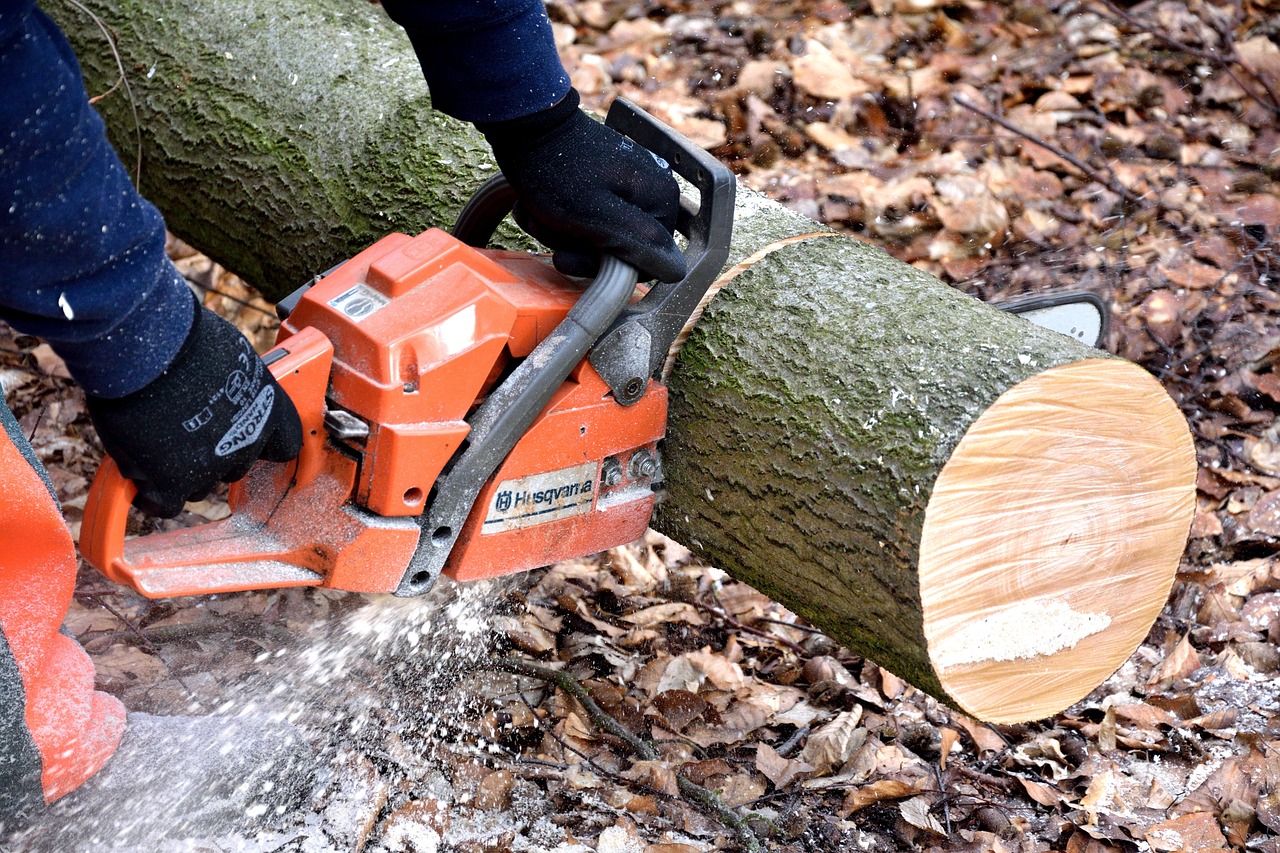
Husqvarna is another long-running choice for serious cutting. Husqvarna’s own history says its first chainsaw, the Husqvarna 90, launched in 1959. Today the brand is common in farm, ranch, forestry, and landowner work, with many bar lengths and engine sizes to choose from. If your jobs include felling, storm cleanup, and regular firewood, Husqvarna should stay near the top of the list.
ECHO for Value and Tough Daily Work
ECHO is often the practical pick when buyers want a pro-style build without paying the highest price in the category. ECHO history records the CS-80 as its first chainsaw in 1963, and its current U.S. chainsaw lineup includes gas and battery models for property care and professional users. Many landscapers like ECHO because the tools are simple to understand, not too picky, and easy to keep running. That matters when a saw is used week after week.
Which Battery Chainsaw Brands Are Best for Yard Work?
Battery chainsaws are no longer just small pruning tools. Consumer Reports has pointed out the rise in battery-powered chainsaw choices and the gains in cutting performance. Still, battery saws should be judged as a full system. Battery size, charger speed, bar length, parts supply, and your current tool platform all matter.
EGO for Homeowners Who Want One Battery System
EGO is a strong homeowner brand because its 56V ARC Lithium battery system works across many outdoor tools. EGO support materials say its batteries fit tools in the Power+ range, with battery sizes from light packs to higher-capacity packs. For a suburban yard, that is useful. One battery family can run a mower, blower, string trimmer, and chainsaw. It also saves shelf space, which is a small thing until the garage is already full.
Milwaukee for Tradespeople Already on M18
Milwaukee makes sense for users who already own a lot of M18 tools. The M18 FUEL 16-inch chainsaw is marketed for hardwood cutting and up to 150 cuts per charge under Milwaukee’s stated test setup. The main point is battery overlap. If your truck already carries M18 packs for drills, impact wrenches, lights, and saws, adding a chainsaw is a simple move.
DeWalt for FLEXVOLT Tool Owners
DeWalt fits users who already have FLEXVOLT batteries. The 60V MAX 16-inch cordless chainsaw kit uses a FLEXVOLT battery that can power 60V MAX tools and work with many 20V MAX tools, according to DeWalt product information. For contractors and serious DIY users, that shared battery use can be worth more than chasing the highest spec on paper. It also keeps charging and storage easier to manage.
How Should You Compare Chainsaw Brands Before Buying?
Start with the work, then choose the brand. A buyer trimming apple tree limbs twice a year does not need the same saw as a landowner cutting five cords of firewood. Before you grab a discount model, check the basics.
- For limbs under 6 inches, a compact battery saw is often enough.
- For firewood and storm cleanup, a 16-inch to 20-inch saw is more realistic.
- For daily professional cutting, dealer service and parts speed may matter more than price.
Bar Length Matched to Wood Size
Many buyers choose more bar length than they need. A longer bar adds weight, and it can slow a smaller powerhead. For light pruning, 10 to 14 inches feels easy to handle. For common homeowner firewood, 16 inches is a good middle ground. Larger logs may need 18 to 20 inches, but only if the saw has enough power to pull the chain cleanly.
Power Source Matched to Run Time
Battery saws are clean, quiet, and low maintenance. Gas saws refuel fast and keep working when the wood pile is large. Corded electric saws can work near a house, but the cord gets in the way quickly. If you often cut far from an outlet, skip corded unless your work area is very small.
Weight and Balance You Can Control
Pick up the saw before buying if you can. A saw that feels fine for ten seconds in a store can feel nose-heavy after twenty minutes beside a brush pile. Battery packs also change the balance more than some buyers expect. A large battery may add run time, but it can make limbing awkward. That is one plain detail spec sheets do not show well. See also: Tool Categories.
Which Safety Details Separate Good Brands from Risky Picks?
Chainsaw buying should never be only about cutting speed. The CDC stated in February 2024 that about 36,000 people are treated in U.S. hospital emergency departments each year for chainsaw injuries. That number is a good reason to slow down and check safety features before looking at price.
Chain Brake and Low Kickback Design
A chain brake is a must-have feature. OSHA guidance says gasoline-powered chainsaws must have a protective device that helps reduce kickback risk. Good brands also match bars and chains correctly, give clear brake instructions, and make inspection simple before each cut. These are basic points, but they matter when the saw kicks or the chain grabs.
Cut Resistant Leg and Foot Protection
The saw brand is only part of safe cutting. OSHA logging guidance requires cut-resistant leg protection and foot protection for employees using chainsaws. Homeowners may not be working under the same rules, but the hazard is the same. Chaps, boots, gloves, eye protection, hearing protection, and a helmet with face shield are not extras when the chain is moving.
Clear Manuals and Easy Maintenance
A safer saw is also a saw you can maintain without guessing. Look for clear chain-tension controls, visible bar oil level, simple air filter access on gas models, and manuals that explain kickback zones. A dull chain makes you push harder, and that is when cutting becomes messy. Regular sharpening and oil checks are boring jobs, but they keep the saw under control.
What Are the Best Chainsaw Brand Choices by User Type?
No single brand wins every job. The better choice depends on wood size, cutting frequency, maintenance habits, and whether battery sharing matters in your tool setup. Here is a practical way to sort the main names without turning it into a brand fight.
Homeowners Cutting Small Limbs
For light yard cleanup, EGO, DeWalt, Milwaukee, Ryobi, Greenworks, and Worx can all make sense, depending on your battery platform. EGO is strong if outdoor tools are your main focus. Milwaukee and DeWalt fit better if you already own jobsite batteries. For a small yard, easy starting may matter more than raw chain speed.
Landowners Cutting Firewood
For regular firewood, STIHL, Husqvarna, and ECHO are safer bets. They offer stronger gas models, better parts paths, and long-term service support. A battery saw can still help with quick limbing around the pile. Gas remains more practical when you cut for hours and do not want to wait on chargers.
Arborists and Tree Care Crews
Professional users should look hardest at STIHL, Husqvarna, and ECHO. Top-handle saws, climbing work, and daily service needs raise the stakes. Dealer support becomes part of the purchase, not an afterthought. A crew that loses a saw for two weeks during storm season loses more than the repair bill.
FAQ
Q1: What Are the Top Chainsaw Brands for Most Buyers? A: STIHL, Husqvarna, ECHO, EGO, Milwaukee, and DeWalt are among the strongest choices. STIHL, Husqvarna, and ECHO lead for gas and pro work, while EGO, Milwaukee, and DeWalt are strong in battery saws.
Q2: Is STIHL Better Than Husqvarna? A: It depends on the model and dealer support near you. STIHL has a large service reputation and a long chainsaw history. Husqvarna is also proven in forestry, farm, and landowner use. Test the weight, starting feel, and local service before choosing.
Q3: Are Battery Chainsaws Good Enough for Firewood? A: Yes, for light or occasional firewood. For large logs, long cutting sessions, or remote work, gas still has the run time edge. A battery saw is very useful for limbing, small trees, and quick cleanup.
Q4: Which Chainsaw Brand Is Best for Beginners? A: EGO, DeWalt, and Milwaukee are beginner-friendly if you want easy starting and less engine maintenance. For a gas saw, an entry STIHL, Husqvarna, or ECHO model from a local dealer is a better path than a no-name bargain.
Q5: What Should You Avoid When Buying a Chainsaw? A: Avoid unknown brands with weak parts support, missing safety features, unclear manuals, or power claims that sound unrealistic. Also avoid buying more bar length than you can safely control. A sharp, well-sized saw beats an oversized saw in most real jobs.