
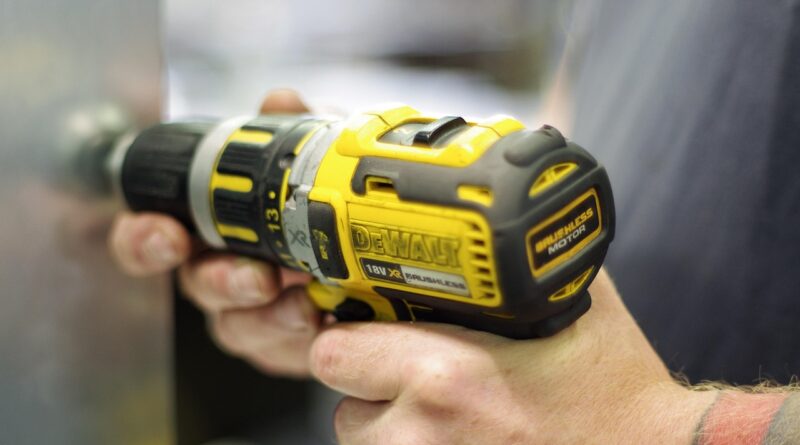
Which Drill Reviews Can You Trust Before Buying a Cordless Drill?
Why Should You Read Drill Reviews Before Choosing a Drill?
Good drill reviews should not just copy the product sheet. They should help you choose a tool for the work in front of you, such as hanging shelves, driving deck screws, drilling pilot holes in hardwood, or making a few holes in masonry. A drill can feel strong during a quick store test and still feel too heavy after ten minutes above your head. That small point often matters more than the number printed on the box.
Your Job Comes First
Start with the material, fastener size, and how long you will use the drill at one time. Drywall anchors, cabinet hinges, and furniture assembly do not ask for the same drill as framing, deck repair, or masonry holes. A homeowner may prefer a compact drill that fits in a drawer, while a contractor may look harder at battery swaps and a 1/2-inch chuck. Consumer Reports noted in its 2025 cordless drill buying guidance that typical homeowners can often get enough power from 12-volt general-use drills, while larger lag bolts and tougher jobs point toward 18-volt tools or impact drivers. Source: Consumer Reports, cordless drill and impact driver buying guide, 2025.
Specs Need Real Context
Voltage, torque, RPM, and amp-hours are useful, but they are not the full answer. Consumer Reports points out that a 14.4-volt drill from one brand may be weaker than a 12-volt drill from another, so voltage is only a rough guide. Source: Consumer Reports, 2025. A useful review explains what the drill did in wood, steel, and fastener driving, instead of stopping at the label claim.
Comfort Is a Performance Feature
A drill that feels awkward will slow the job and can leave rough holes. Look for notes on grip shape, balance with the battery installed, trigger feel, and how the tool handles overhead work. If a review never talks about weight in hand, it leaves out a big part of the buying decision. Even a strong drill gets tiring when every smoke detector, curtain bracket, or ceiling hook becomes a wrist workout.
What Specs Matter Most in Drill Reviews?
The best drill reviews turn specs into job results you can understand. A drill is not just a motor and a battery. The chuck, clutch, gearbox, trigger, handle, charger, and bit holder all affect how the tool works. If one of those parts feels weak, the whole drill feels cheap.
Voltage and Real Power
For most buyers, 12V usually means light and compact, while 18V or 20V Max usually means more pulling power. Even so, compare models within the same brand when you can, because battery labels use nominal and maximum voltage in different ways. A drill review should test hole boring and screw driving under load. There is no reliable public cross-brand torque standard that makes every advertised torque number directly comparable, so job testing is more useful than one torque figure.
Chuck Size and Bit Fit
Chuck size is an easy way to narrow the list. Light-duty tools may use a 1/4-inch hex socket, general-use drills often use a 3/8-inch chuck, and heavy-duty drills usually use a 1/2-inch chuck for larger bits. Consumer Reports uses chuck size to group light-duty, general-use, and heavy-duty drills because chuck capacity often matches the kind of work the drill is built for. Source: Consumer Reports, 2025. It is a simple detail, but it tells you a lot before you read deeper.
Clutch, Speed, and Control
A clutch helps prevent stripped screws and crushed softwood. Two-speed gearboxes also matter, because low speed gives better control and torque for driving screws, while high speed helps make cleaner holes in many materials. A smooth variable-speed trigger is easy to ignore until the drill jumps on the first bad screw. Reviews should say whether the drill starts gently or takes off too fast.
Should You Buy a 12V, 18V, or Hammer Drill?
The right voltage class depends on the work you do most often, not the biggest number on the shelf. A larger drill can still be the wrong drill if it is too bulky for quick jobs and ends up staying in the garage.
12V for Home and Light Repairs
A 12V drill is a good fit for common home work such as assembling furniture, installing drawer pulls, drilling pilot holes, and driving normal screws. The main benefit is not only price, but size. Compact tools fit into cabinets, corners, and tight repair spots where a heavier drill feels clumsy. For many small jobs, that easy handling matters more than extra power you may not use.
18V for Decks and Tougher Jobs
An 18V class drill is a safer choice for repeated holes, larger bits, pressure-treated lumber, and longer fasteners. It usually costs more and weighs more, but it gives you more reserve when the work gets harder. If you plan to build a deck, repair fencing, or work with thick boards, the review should show how the drill behaves after several holes. The first hole alone does not tell the whole story.
Hammer Drill for Masonry
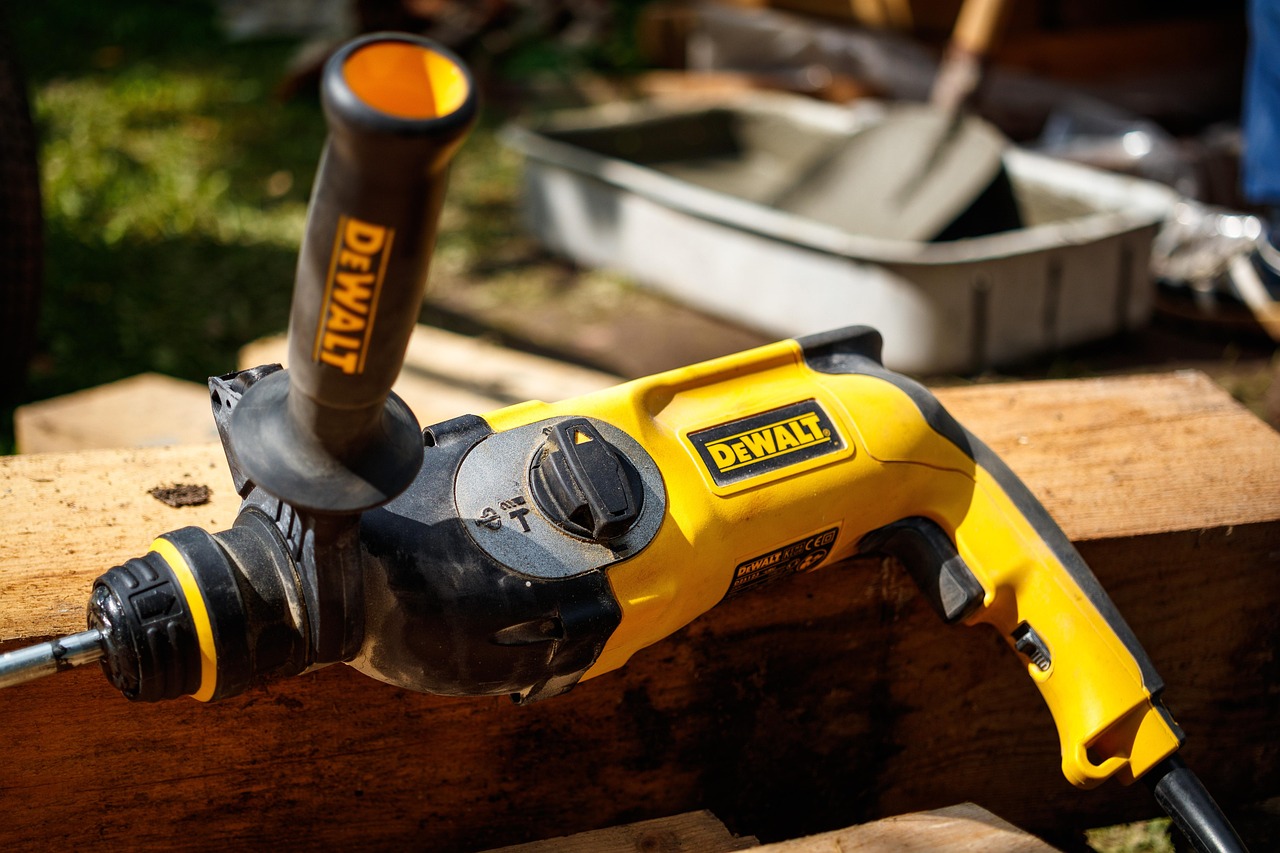
A hammer drill adds a forward tapping action for brick, block, and light concrete work. For a few wall anchors in masonry, that can be enough. For many deep concrete holes, a rotary hammer is usually the better tool. A good review should make clear whether the hammer mode is for occasional use or daily heavy drilling, because that difference affects time, bit life, and the motor.
How Should Battery Claims Shape Your Choice?
Battery claims can make a drill look better or worse than it is in real use. Runtime depends on cell quality, amp-hour rating, load, temperature, bit sharpness, and how hard the user pushes the tool. A 4.0Ah pack can last a long time on cabinet screws and still drain quickly when boring large holes.
Amp-Hours and Runtime
Amp-hours describe battery capacity, but the tool, motor, and job decide how long that capacity lasts. For light work, a small battery keeps the drill easier to handle. For repeated holes or large screws, a higher-capacity pack cuts down trips to the charger. Grand View Research reported in May 2025 that lithium-ion batteries held 62.43% of power tool battery revenue share in 2024, showing why most modern cordless drill reviews now focus on lithium-ion platforms. Source: Grand View Research, Power Tool Batteries Market Growth and Trends, May 2025.
OEM Packs and Safety
Cheap replacement batteries can look attractive, especially when a genuine pack costs close to a small drill kit. Still, reviews should not skip battery safety. The Power Tool Institute warns users to choose original manufacturer batteries and avoid counterfeit or risky aftermarket lithium-ion packs because mismatched packs may raise safety problems. Source: Power Tool Institute battery safety statement, active public guidance. That is one area where saving a little money can create a bigger problem later.
Travel and Storage Rules
If you travel for work, battery rules are part of the buying decision. The FAA PackSafe guidance updated on June 5, 2025 says lithium-ion batteries are measured by watt-hours, spare lithium batteries must go in carry-on baggage, and battery-powered tools in checked bags must be fully powered off and protected from accidental activation. Source: Federal Aviation Administration PackSafe Power Tools guidance, June 5, 2025. This sounds like a small detail until you are at an airport counter with two batteries and a job waiting the next morning. See also: Tool Categories.
What Safety Signals Should Good Drill Reviews Cover?
Safety is tied to performance. A drill with poor control, loud operation, loose chuck grip, or a weak brake can turn a simple repair into a bad afternoon. Reviews should treat safety as part of tool quality, not as small print at the end.
Injury Context from Public Data
The U.S. Consumer Product Safety Commission FY 2024 Annual Report estimated 7% hospitalization among emergency department-treated injuries tied to home workshop apparatus, tools, and attachments for the period October 1, 2022 to September 30, 2023. It also listed estimated injury costs of $48.165 billion for that same product group, adjusted to 2014 price levels. Source: U.S. CPSC FY 2024 Annual Report. That product group is wider than drills, so it should not be read as a drill-only number, but it is a useful reminder that tools need care.
Noise and Hearing
Noise is easy to ignore because drilling often happens in short bursts. NIOSH noise materials list screw gun and drill motor construction noise at an average of 97.7 dBA and a maximum of 123.7 dBA in cited field data. Source: NIOSH construction noise materials. NIOSH also recommends limiting occupational noise exposure to 85 dBA over an eight-hour shift. Source: CDC NIOSH noise guidance. In simple terms, hearing protection makes sense when drilling is loud, repeated, or done indoors where sound reflects off walls.
Grip, Balance, and Fatigue
OSHA notes that hand and power tools can cause severe injuries when used or maintained improperly, and tool safety needs special attention. Source: OSHA Hand and Power Tools overview. In reviews, this shows up in practical points such as rubber grip texture, side handle quality on high-torque drills, bit visibility under the LED, and how fast the brake stops the chuck. A drill that kicks hard when a bit binds should not be praised only because it has high torque. Control still matters on a real jobsite or in a small home repair.
How Can You Spot Value Instead of Hype?
Value is not the lowest shelf price. It is the right mix of power, control, battery platform, service life, and easy daily use. A drill that saves $20 at checkout but needs a new battery after six months is not really cheap.
Kit Price vs Bare Tool
If you already own batteries in one system, a bare tool may be the better buy. If you are starting from zero, a kit with two batteries and a charger is usually the safer choice. Reviews should say what comes in the box, including one battery or two, charger speed, case or bag, belt clip, and included bits. These small items change the real price.
Platform Cost Over Time
Battery platforms affect future tool choices. The same battery may power saws, lights, grinders, blowers, and impact drivers, so one drill purchase can lead to a full tool system. Grand View Research projected the global power tool batteries market to reach USD 4.49 billion by 2030, with growth tied to the shift from corded to cordless tools. Source: Grand View Research, May 2025. That trend makes platform choice more important than one drill model by itself.
Warranty, Parts, and Support
A strong warranty helps, but only when service is easy to use. Check whether the brand offers simple battery replacement, repair centers, clear serial number rules, and available chucks or brushes for older models. Brushless motors remove some wear points, but batteries and chucks still take regular abuse. A review that talks about long-term support gives you more than a first-week impression.
FAQ
Q1: Are 20V Drills Stronger Than 18V Drills? A: Not always across brands. In many cases, 20V Max describes peak voltage, while 18V describes nominal voltage. Look at real test results, not only the label.
Q2: What Is the Best Drill for Most Homeowners? A: A compact 12V or general-use 18V drill with a good clutch, smooth trigger, and at least one spare battery fits most home jobs. Choose 18V if you often drill larger holes or drive long screws.
Q3: Do You Need a Hammer Drill? A: You need one if you drill into brick, block, or light concrete more than once in a while. For wood, drywall, plastic, and metal, a standard drill driver is usually lighter and easier to use.
Q4: How Many Batteries Should a Drill Kit Have? A: Two batteries are best for longer jobs because one can charge while the other is in use. For small home repairs, one battery may be enough, but downtime gets annoying quickly.
Q5: What Makes Drill Reviews Trustworthy? A: Trust reviews that explain the job type, material, bit size, battery used, comfort, noise, and limits. Be careful with reviews that only repeat torque numbers and sales claims.