
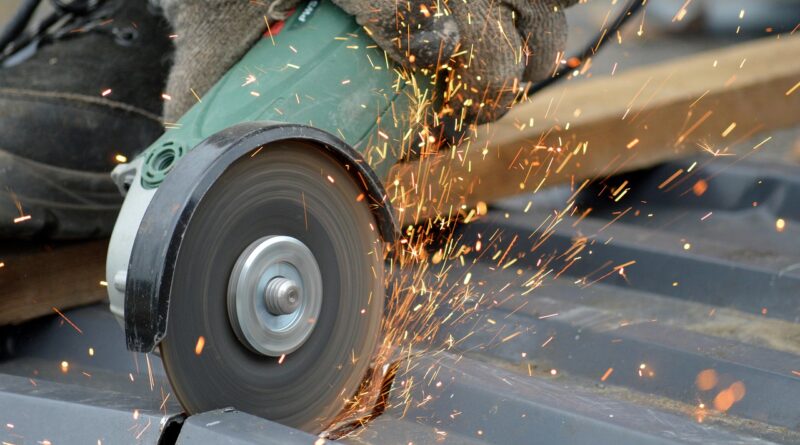
Is an Angle Cutter Tool the Best Choice for Metal and Masonry?
What Is an Angle Cutter Tool?
An angle cutter tool is a small handheld power tool used with a thin cutting disc or diamond blade to cut metal, tile, brick, stone, and concrete. If you are checking models for a workshop or jobsite, the tool categories page helps you compare it with grinders, saws, drills, and other electric tools without mixing up what each tool is built to do.
In normal trade talk, many people call it an angle grinder with a cutting wheel fitted. That is fine, but cutting needs more care than light grinding. A thin disc runs at high speed, the material can pinch, and sparks often go to the one clean spot on the bench if you do not set the job up first.
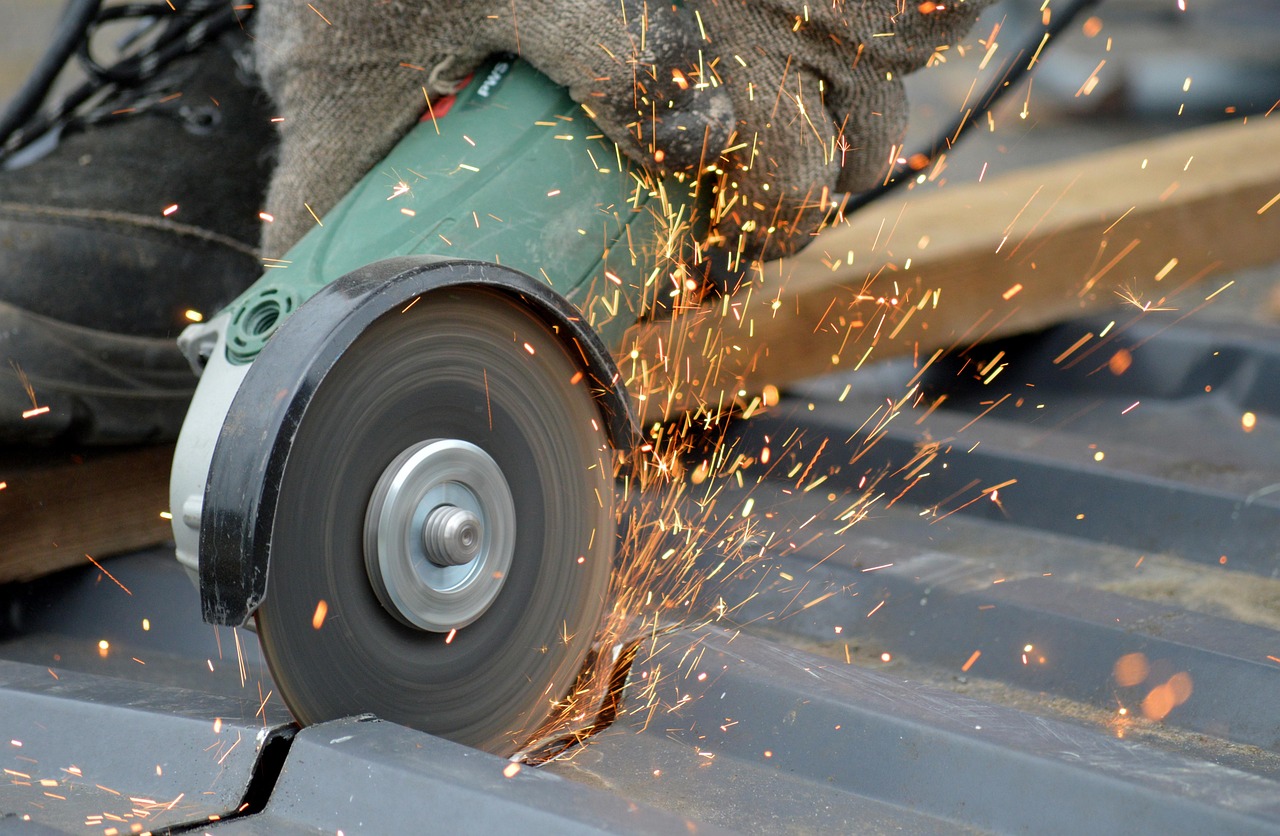
The Basic Tool Body
The tool body usually has a motor, gear head, spindle, side handle, switch, and guard. Common small models use 4-1/2 inch or 5 inch discs, while heavier models take 7 inch or 9 inch discs.
Smaller tools are easier to handle above shoulder height and inside tight frames. Larger tools cut deeper, but they need firmer hands, a steadier stance, and more planning before the wheel touches the work.
Cutting Discs, Grinding Wheels, and Flap Discs
A cutting disc is thin and made to slice through material. A grinding wheel is thicker and made for face grinding, while a flap disc is used for sanding, blending, and light finishing.
Do not use these accessories as if they do the same job. Side pressure on a thin cutting disc can crack it, and a cracked disc at high speed can turn a small mistake into a serious accident.
Common Jobs in Metal, Tile, and Masonry
You can use this tool to trim rebar, cut threaded rod, remove rusted bolts, open sheet metal, notch tile, or chase small masonry grooves. It is useful when the work is already fixed in place and a larger saw cannot get in cleanly.
For long straight cuts in thick plate, a chop saw or circular saw with the right blade may leave a cleaner edge. The angle cutter is most useful when the cut is short, awkward, or needs to be done on site.
Is an Angle Cutter Tool the Same as an Angle Grinder?
The two names overlap, but the setup changes the risk. When you fit a cut-off wheel to an angle grinder, you have made a cutting tool. At that point, the guard, disc type, switch control, and body position matter more than just motor power. A 10 amp tool with the wrong disc is worse than a smaller tool set up the right way.
Different Names in Real Shops
Fabricators may say grinder, cutter, cut-off tool, or angle cutter. Buyers may search for any of these names, and in many shops the same tool gets called different things by different workers.
The main point is that the wheel axis sits at a right angle to the motor body. That layout lets you reach tight spaces and still see the cutting line, which is why the tool stays useful in repair, fabrication, and site work.
Cutting vs Grinding Tasks
Cutting needs a straight feed and a bit of patience. Grinding needs wider contact and controlled pressure across the surface.
If the job is to shorten a bolt, use a cut-off wheel. If the job is to smooth a weld bead, use a grinding wheel or flap disc. It sounds simple, but many damaged wheels start with this basic mismatch.
When a Dedicated Cutter Makes Sense
A dedicated cutting setup makes sense when the same team cuts metal every day. Look for quick guard adjustment, a side handle that feels secure, tool-free wheel changes, and a switch that works well with gloves.
If cutting concrete or brick is part of the work, dust control accessories and a diamond blade are just as important as motor power. A strong tool without the right blade or dust setup will still slow the crew down.
How Do You Choose the Right Disc and Size?
The disc has a big effect on cut quality, and buyers sometimes pay too much attention to the tool body alone. Start with the material, then match diameter, thickness, arbor size, and maximum RPM. The tool RPM must never exceed the disc rating. OSHA grinder checklist guidance also tells users to check that the abrasive wheel RPM rating is compatible with the grinder motor rating. Source: OSHA Machine Guarding Checklist for Abrasive Wheel Equipment Grinders, updated public guidance.
Four and a Half Inch Discs for Daily Work
For service work, 4-1/2 inch discs are common because they are light, low cost, and easy to control. They do not cut very deep, so they suit bolts, small bar stock, brackets, and sheet metal.
A thin 1.0 mm or 1.2 mm metal cut-off disc cuts quickly, but it does not like twisting. Keep the tool straight, do not lean on the side of the wheel, and let the edge do the cutting.
Diamond Blades for Tile, Brick, and Concrete
Use a diamond blade for tile, brick, block, and concrete. Segmented rims cut quickly in masonry, continuous rims leave cleaner edges on tile, and turbo rims sit between the two.
For silica-containing materials, OSHA says wet methods and other engineering controls reduce respirable crystalline silica exposure during cutting and sawing. Source: OSHA Respirable Crystalline Silica Standard for Construction, 2016 rule and current guidance.
RPM Ratings and Disc Inspection
Before you mount a disc, check the printed maximum RPM, expiry or manufacture markings if shown, cracks, chips, moisture damage, and the arbor hole. The disc should sit cleanly on the flange without forcing it.
If the label is unreadable, do not use it. One disc costs very little compared with a broken guard, a damaged part, or a trip to the emergency room.
What Safety Features Should You Check First?
This tool looks simple, but it should not be treated casually. The U.S. Consumer Product Safety Commission tracks product-related injuries through NEISS, a national probability sample of hospital emergency departments. Its coding manual includes power workshop grinders, buffers, or polishers under product code 0897. That does not rank brands, but it shows grinder-related injuries are a product category that safety agencies track. Source: CPSC NEISS public documentation and coding manual.
Guard Position Between You and the Wheel
OSHA regulation 29 CFR 1910.243 states that safety guards on right angle head or vertical portable grinders should have a maximum exposure angle of 180 degrees, with the guard located between the operator and the wheel during use. In shop terms, the guard is not decoration.
Set the guard so broken wheel pieces and sparks are less likely to come toward your face. It may take a few extra seconds, but that small adjustment is part of using the tool properly.
Side Handle and Two Hand Control
Use the side handle unless the job truly makes it impossible. Two hands help when the wheel grabs, especially near the end of a cut. See also: Brands.
Your stance matters as well. Stand out of the disc plane, keep the cord or battery clear, and never hold a small part in your hand while cutting it. Clamp it, because even a basic clamp is better than risking your fingers.
Dust, Noise, and PPE Choices
Cutting metal calls for safety glasses plus a face shield, gloves suited to sparks, hearing protection, and clothing that will not melt easily. Masonry work adds dust control and respiratory protection where the job requires it.
CDC/NIOSH gives an occupational noise recommended exposure limit of 85 dBA over an 8 hour time-weighted average and notes that each 3 dBA increase cuts the recommended exposure time in half. Source: CDC/NIOSH Noise and Hearing Loss public guidance, current pages reviewed in 2024 and later.
How Should You Use It for Clean Cuts?
Clean cutting is more about setup than force. A wheel that binds will heat up, move off the line, and may kick. A clear mark, a clamped workpiece, and light feed pressure save time because there is less cleanup afterward. This part of the job is not exciting, but that is fine when a disc is running close to 10,000 RPM.
Stable Clamping and Marked Cut Lines
Clamp the work so the offcut can drop or move away without pinching the disc. Mark the cut with a paint pen, soapstone, tape edge, or scribed line.
For stainless trim or painted panels, tape around the cut can help reduce scratches from grit. Before starting, move flammable items away from the spark path and check where the sparks will land.
Light Pressure and Steady Feed
Let the wheel reach full speed before it touches the work. Touch the line lightly, make a small groove, and then follow that groove with steady pressure.
If the motor slows down hard, you are pushing too much or using the wrong disc. For tube and angle iron, rotate the work when you can instead of forcing one deep cut through the full section.
Cooler Cuts and Fewer Burrs
Heat causes discoloration, burrs, and faster disc wear. Short pauses help the cut stay under control, especially on harder metal or longer cuts.
On metal, a thin disc leaves a narrow kerf and usually needs less cleanup. On tile, support both sides to reduce chipping. On concrete, use wet cutting or a suitable dust extraction setup when the job and local rules require it.
Which Buying Details Matter for Trade Buyers?
If you buy for a team, do not choose only by wattage or a low sale price. Match the tool to the work mix, operator skill, accessory supply, and repair plan. The best angle cutter tool for a metal shop may not be the best choice for tile installers or masonry crews.
Power, Battery Platform, and Duty Cycle
Corded tools are still good for long cutting sessions because they do not stop for battery changes. Cordless tools are better when workers move between floors, roofs, gates, and field repairs.
For heavy steel or repeated masonry cuts, check duty cycle, motor cooling, and battery amp-hour options. A small cordless cutter is handy, but it should not be treated like a 9 inch saw.
Switch Style, Soft Start, and Brake
Paddle switches are popular because the tool stops when your grip releases. Slide switches suit some repeated production tasks, but they need more attention from the operator.
Soft start reduces the first kick when the tool starts. An electric brake slows the disc faster after release. For new users, these features may look plain on the spec sheet, but they feel useful in real work.
Accessories, Spares, and Category Fit
Buy discs, guards, flanges, handles, wrenches, batteries, chargers, and dust accessories as one system. If the crew cannot find the right guard, wrench, or battery, the tool will not be used the way you planned.
The Health and Safety Executive abrasive wheel guide HSG17 covers wheel characteristics, mounting, guards, portable grinder points, and protective equipment. That wider view helps buyers because the tool itself is only part of the purchase. Source: UK HSE Safety in the Use of Abrasive Wheels, HSG17.
- Choose disc diameter and arbor size that match the tool exactly.
- Stock separate cutting, grinding, flap, and diamond accessories.
- Train users to inspect wheels before mounting.
- Keep guards and side handles with the tool, not in a forgotten drawer.
- Match dust control gear to masonry and concrete work.
FAQ
Q1: Is an Angle Cutter Tool Good for Beginners? A: Yes, if you start with small metal cuts, use the guard and side handle, clamp the work, and wear eye, face, hearing, and hand protection. Do not start with overhead masonry or thick steel.
Q2: Can You Use a Grinding Wheel for Cutting? A: No. A grinding wheel is not a cut-off wheel. Use the accessory made for the task, material, diameter, arbor, and RPM of your tool.
Q3: What Size Angle Cutter Tool Should You Buy First? A: A 4-1/2 inch or 5 inch model suits most repair, fabrication, and DIY tasks. Choose larger tools only when you need deeper cuts and have the skill to control them.
Q4: Can It Cut Concrete Indoors? A: It can, but indoor concrete cutting needs serious dust control. Silica dust rules may require wet methods, dust extraction, respiratory protection, or a different tool setup.
Q5: What Is the Biggest Mistake When Using One? A: The biggest mistake is treating it like a rough little tool that cannot hurt you. Wrong discs, missing guards, loose workpieces, and heavy pressure cause most bad cuts and bad kickback moments.