
Is The Ryobi 40V Battery Charger Efficient Enough For Professional Chainsaw Use
Everything To Know About The Ryobi 40V Chainsaw Before You Buy
The Ryobi 40V chainsaw targets professionals who want cordless performance without losing the punch of a gas engine. Its system runs on the same 40V lithium-ion platform that powers Ryobi’s outdoor lineup, making it a flexible choice for landscaping, forestry, and heavy trimming work. The key lies in pairing the right battery and charger combination to maintain consistent runtime and reduce downtime. For most pros, the investment pays off through efficiency, durability, and the convenience of cross-tool compatibility.
Understanding the Ryobi 40V Battery System
The Ryobi 40V chainsaw doesn’t stand alone—it’s part of a broader battery ecosystem that supports multiple tools. This shared platform means users can switch batteries between devices like blowers or trimmers, cutting equipment costs while maintaining consistent power output.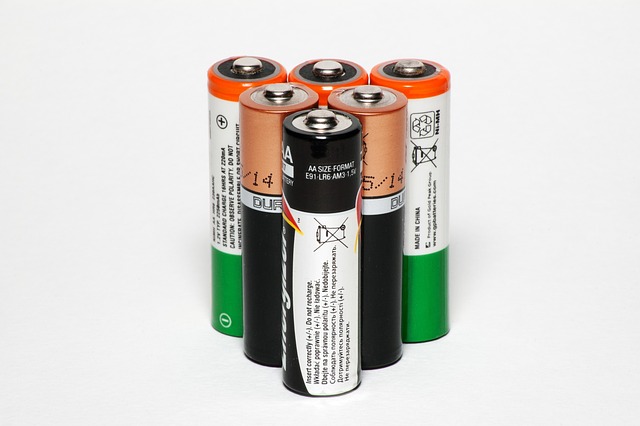
Overview of the Ryobi 40V Platform
The 40V series is designed for demanding tasks that once required gas engines. It powers chainsaws capable of cutting thick logs while staying quieter and cleaner than fuel models. The platform’s compatibility across tools also means fewer chargers cluttering a workshop. Professionals often value this modular approach because it simplifies fleet management and reduces maintenance complexity.
Battery Specifications and Design Features
Ryobi’s lithium-ion cells deliver steady voltage from full charge to near depletion, avoiding the drop-off typical in older chemistries. Each pack includes built-in protection circuits to guard against overcharging, overheating, and deep discharge—factors that can shorten lifespan if unmanaged. Capacity ratings such as 4Ah or 6Ah directly affect how long the chainsaw runs per charge; larger packs extend runtime but add weight. Balancing these factors is part of professional workflow planning.
Evaluating the Ryobi 40V Battery Charger’s Efficiency
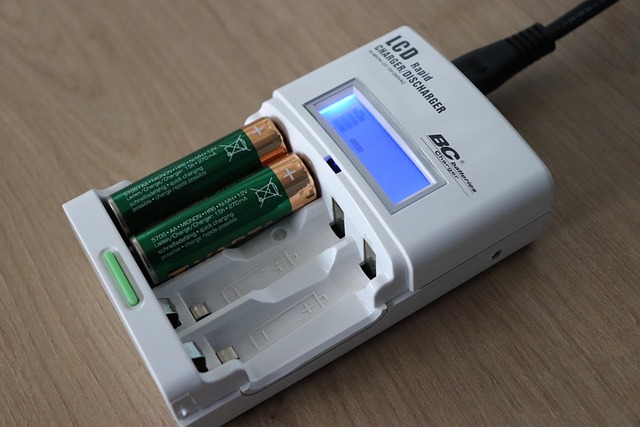
A chainsaw is only as reliable as its power source, and that makes the ryobi 40v battery charger critical to daily operations. Professionals judge chargers not just by speed but by how they handle heat and energy conversion over repeated cycles.
Charging Speed and Energy Conversion Rate
Charging time determines whether a crew waits or works. A standard charger may take several hours to replenish a 5Ah pack, while high-speed variants cut that nearly in half. However, faster charging generates more heat, which if unmanaged can reduce long-term cell health. Consistent voltage regulation throughout each phase of charging keeps both performance and safety stable.
Heat Management and Longevity Impact
Heat is one of lithium-ion’s biggest enemies. A well-designed charger dissipates warmth efficiently through vents or internal fans. This temperature control protects both battery chemistry and electronic components from wear during continuous use days—common in forestry operations where batteries are cycled repeatedly from dawn to dusk.
Power Consumption and Electrical Efficiency Metrics
Professionals often track total energy draw per charge cycle to assess cost-effectiveness over time. Smart charging algorithms help by tapering current during final stages instead of wasting power in trickle mode. Over hundreds of cycles, these small savings translate into measurable reductions in electricity bills for large tool fleets.
Suitability of the Ryobi 40V Charger for Professional Chainsaw Applications
Choosing a charger isn’t just about specs—it’s about matching tool demand with realistic field conditions. Chainsaws require bursts of torque that drain batteries quickly; thus, recharging infrastructure must keep up with workload rotation schedules.
Matching Charger Output with Chainsaw Power Demands
High-capacity batteries above 5Ah need chargers rated for their load profile to avoid bottlenecks during busy shifts. Using an underpowered unit can leave crews waiting mid-job while packs recharge too slowly. Compatibility charts provided by manufacturers help confirm which combinations deliver optimal runtime balance for heavy-duty cutting sessions.
Field Reliability Under Continuous Operation
Professional environments rarely stay clean or cool. Dust, humidity, and temperature swings test every component’s resilience. Chargers built with sealed electronics or reinforced casings tend to survive longer under these stresses. Consistent voltage supply also prevents mid-operation drops—a crucial factor when cutting dense hardwoods where torque spikes frequently.
Comparative Assessment Against Professional Standards
When compared with commercial-grade systems used by arborists or utility crews, Ryobi’s charger holds up respectably in speed and thermal stability though it may lack multi-port capacity found on premium setups. For teams managing several tools simultaneously, investing in dual or quad-port stations streamlines workflow without sacrificing reliability.
Optimizing Charging Practices for Professional Efficiency
Even advanced hardware benefits from disciplined usage habits. Proper charging routines extend battery life and sustain consistent tool performance across seasons.
Recommended Charging Cycles and Maintenance Techniques
Partial top-ups between tasks are better than running batteries flat each time; lithium-ion cells prefer moderate depth-of-discharge cycles for longevity. Regularly inspecting connectors for corrosion ensures clean current transfer during every session—small details that prevent unexpected downtime later.
Accessory Compatibility and Workflow Integration
Because all Ryobi 40V tools share the same interface, professionals can rotate packs among saws, trimmers, or blowers seamlessly. Dual-charger setups are common on job sites where continuous operation matters more than individual pack endurance. Keeping chargers in temperature-controlled storage further improves reliability through summer heatwaves or winter cold snaps.
Practical Insights from Professional Use Scenarios
Real-world use reveals how theory meets practice—runtime figures only matter when balanced against actual work demands in forestry or landscaping operations.
Realistic Expectations for Runtime Versus Downtime Balance
Even with rapid charging options available, smart scheduling remains key: one pack working while another charges keeps productivity steady without pushing cells too hard. Pairing high-capacity batteries with fast chargers maintains rhythm through long shifts while limiting wear from excessive heat buildup.
Evaluating Cost-Benefit Ratio in Professional Environments
Although high-efficiency chargers cost more upfront, they typically repay through reduced replacement frequency and lower energy waste over years of service life. For businesses transitioning from gas-powered tools, this shift also cuts fuel expenses while aligning with cleaner operational goals—a practical win beyond environmental appeal.
FAQ
Q1: How long does it take to charge a Ryobi 40V battery?
A: Standard chargers usually take around two hours for a full charge on a 4Ah pack; rapid versions can do it in roughly half that time depending on ambient temperature.
Q2: Can different Ryobi 40V batteries be used interchangeably?
A: Yes, all batteries within the 40V line fit compatible tools including chainsaws, blowers, trimmers, and mowers without modification.
Q3: What affects battery lifespan most?
A: Deep discharges, high temperatures during storage or charging, and physical impact are primary factors reducing overall cycle count.
Q4: Is fast charging harmful over time?
A: It can generate extra heat which slightly shortens lifespan if done continuously; alternating between standard and fast modes helps balance performance with durability.
Q5: Are there multi-port ryobi 40v battery charger options available?
A: Yes, some advanced models feature dual ports allowing two packs to charge simultaneously—ideal for professionals managing multiple cordless tools daily.