
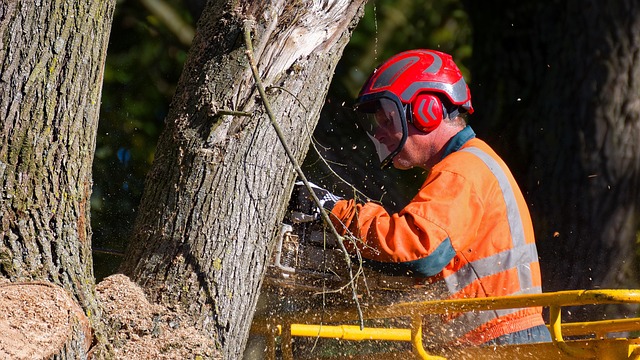
Is The Stihl Chainsaw Recall A Sign Of Deeper Safety Engineering Flaws
Urgent Recall Issued by Stihl Over Chainsaw’s ‘Braking Issues’
A recent Stihl chainsaw recall has drawn significant attention within the power tool industry. The recall involves certain models whose chain brake systems may fail under specific conditions, posing a potential safety hazard to operators. This event highlights the delicate balance between mechanical reliability and user protection in high-torque tools. Industry experts note that such recalls underscore the importance of rigorous quality assurance and transparent communication between manufacturers, regulators, and consumers.
Overview of the Stihl Chainsaw Recall
The recall announcement has raised questions about how quickly safety issues are detected and managed in professional-grade equipment. Understanding the sequence of events and regulatory oversight provides valuable insight into modern product safety governance.
Details of the Recent Recall Notice
The Stihl chainsaw recall affects several units from its mid-range professional series, specifically those produced between late 2022 and early 2024. The issue centers on a malfunction in the chain brake mechanism that may not engage properly during operation. This defect could prevent the chain from stopping immediately after a kickback event, increasing injury risk. The company issued its first internal notice after field technicians reported inconsistent braking performance during maintenance checks. Public disclosure followed once testing confirmed repeatable failures under controlled conditions.
Nature of the Braking Issue Prompting the Recall
The braking problem lies in an intermittent delay in brake band engagement when triggered by inertia or manual activation. Engineers determined that excessive tolerance variation in the brake linkage assembly could cause slippage under vibration stress. Although no fatalities were reported, several minor injuries prompted further investigation. Field data revealed that prolonged exposure to sawdust and oil residue aggravated the problem by reducing friction between critical components.
Timeline of Events Leading to Public Disclosure
Initial complaints surfaced in early 2024 through dealer service reports. By March, internal testing confirmed that specific production batches exhibited abnormal braking latency beyond acceptable limits defined by international safety standards such as ISO 11681-1 for portable chainsaws. After consultation with regulatory bodies, Stihl issued a voluntary recall notice in April 2024, advising customers to cease use immediately and return affected units for inspection or replacement.
Regulatory and Safety Agency Involvement
Regulatory agencies play a pivotal role in ensuring public safety when mechanical defects arise. Their collaboration with manufacturers like Stihl demonstrates how structured reporting systems prevent isolated issues from escalating into widespread hazards.
Role of Consumer Safety Authorities in Identifying the Defect
Consumer product safety authorities received early notifications through mandatory defect reporting channels established for power tools sold within regulated markets. These agencies conducted independent verification tests using standardized inertia brake assessments to confirm Stihl’s findings before authorizing a public alert.
Collaboration Between Stihl and Regulatory Bodies During Investigation
Throughout the inquiry, Stihl cooperated with national consumer protection agencies by providing detailed engineering data, production logs, and component traceability records. Joint technical teams reviewed manufacturing tolerances and supplier documentation to pinpoint deviations responsible for inconsistent brake actuation.
Reporting Protocols for Mechanical Failures in Power Tools
Manufacturers are required under global consumer safety frameworks to report any known or suspected design defects within specified timeframes—typically within ten business days of confirmation. Reports must include failure analysis results, risk assessments, and corrective action plans to ensure transparency across supply chains.
Technical Examination of the Braking Issue
Understanding how a chainsaw’s brake system functions provides crucial context for evaluating why even minor deviations can lead to serious outcomes.
Engineering Function of Chainsaw Brake Systems
Modern chainsaws employ an inertia-activated chain brake designed to stop rotation instantly during kickback events. The mechanism relies on a spring-loaded band that tightens around the clutch drum when triggered either manually or automatically by sudden motion forces. Its purpose is straightforward: minimize operator injury by halting chain movement before contact occurs.
Design Intent: Minimizing Injury Risk During Kickback Events
Kickback remains one of the most dangerous phenomena in chainsaw operation. The chain brake acts as a rapid-response barrier between mechanical energy release and human reaction time—often less than 0.1 seconds separates an avoided accident from severe harm.
Common Failure Modes in Mechanical and Electronic Braking Systems
Typical failure modes include spring fatigue, contamination-induced friction loss, or misalignment between lever arms and actuators. In electronic variants, sensor calibration drift or circuit interference can delay response time similarly to mechanical wear patterns observed here.
Potential Root Causes Behind Brake Malfunction
When examining root causes, engineers focus on material integrity, assembly precision, and environmental resilience—all key determinants of long-term reliability.
Material Fatigue or Component Wear Affecting Brake Engagement
Over time, repeated thermal cycling from clutch heat can weaken steel tension springs or deform plastic housings surrounding pivot points. Such degradation alters force distribution across moving parts, compromising consistent engagement pressure.
Possible Design Tolerance Errors in Assembly or Calibration
Even slight deviations—fractions of a millimeter—in linkage geometry can disrupt synchronization between trigger levers and brake bands. Quality audits suggest these tolerance errors often stem from batch-level calibration drift at automated assembly lines rather than raw material defects.
Influence of Environmental Exposure (Dust, Oil, Vibration) on Brake Reliability
Chainsaws operate under harsh conditions where fine debris infiltrates mechanical joints despite protective seals. Accumulated dust mixed with oil forms abrasive paste that accelerates wear on contact surfaces while dampening friction required for instant braking response.
Evaluating Stihl’s Safety Engineering Practices
To assess this recall objectively, it is essential to examine Stihl’s historical approach toward product reliability and how its internal systems manage defect prevention over time.
Historical Context of Stihl’s Product Safety Record
Stihl has maintained a strong reputation for durability since its founding nearly a century ago but has faced previous recalls involving fuel line leaks and ignition module faults. Compared with industry peers like Husqvarna or Echo, its incident frequency remains below average according to publicly available regulatory databases.
Comparison With Industry Benchmarks for Mechanical Reliability
Industry benchmarks indicate acceptable failure rates below 0.02% across mass-produced handheld power tools meeting ISO quality standards. Preliminary data suggest affected models slightly exceeded this threshold only within limited production runs—a statistically small yet operationally significant deviation.
Evolution of Stihl’s Quality Assurance Methodologies Over Time
In recent years, Stihl expanded digital traceability within its supply network using serial-linked component tracking systems that flag inconsistencies earlier than traditional sampling methods could detect—a practice aligned with modern predictive maintenance philosophies adopted across industrial manufacturing sectors.
Internal Quality Control and Testing Procedures
Stihl’s internal processes emphasize endurance testing under simulated field stress conditions lasting hundreds of operational hours per prototype cycle before market release.
Examination of Prototype Validation and Endurance Testing Stages
Each new model undergoes multi-phase validation including vibration resistance trials, emergency stop responsiveness checks, and environmental chamber cycling replicating extreme humidity or cold exposure typical for forestry operations worldwide.
Assessment of Supplier Quality Management Processes
Supplier audits verify compliance with ISO/TS 16949 automotive-grade standards due to similar mechanical demands on precision components such as springs or bearings used in braking assemblies.
Discussion on Predictive Maintenance Data and Failure Analytics Integration
By integrating IoT-enabled diagnostic modules into newer tool lines, manufacturers can analyze aggregated user telemetry identifying early wear signatures—potentially preventing large-scale failures before they trigger recalls like this one.
Broader Implications for Power Tool Safety Engineering
This recall extends beyond one brand; it reflects systemic challenges inherent to compact high-energy devices where every gram matters but so does every microsecond of response time.
Systemic Risks in Chainsaw Design Across Manufacturers
All major producers face similar trade-offs balancing lightweight ergonomics against structural rigidity needed for reliable braking systems under shock loads exceeding several hundred g-forces during kickback simulations.
Industry Trends Toward Electronic Safety Systems and Their Vulnerabilities
As more brands adopt electronically assisted brakes using gyroscopic sensors or accelerometers, new vulnerabilities emerge—from firmware corruption due to electromagnetic interference to delayed actuation caused by battery voltage drops at low temperatures.
The Balance Between Performance Optimization and Operator Protection
While users demand faster-cutting engines with higher torque-to-weight ratios, engineers must maintain conservative safety margins even if it means sacrificing marginal efficiency gains—a recurring debate across all heavy-duty equipment sectors.
Lessons for Future Product Development Standards
Engineering lessons from this case will likely influence future revisions of international design standards governing handheld cutting equipment safety certification criteria.
Importance of Redundant Safety Mechanisms in High-Risk Equipment
Dual-trigger systems or secondary braking redundancies could mitigate single-point failures observed here without significantly increasing weight or cost when integrated during initial design phases rather than retrofitted later.
Advancements in Sensor-Based Monitoring for Real-Time Fault Detection
Emerging MEMS sensor arrays capable of detecting micro-vibrations could alert operators milliseconds before full kickback occurs—transforming passive protection into active prevention technology already tested in experimental prototypes abroad.
Integration of User Feedback Loops Into Iterative Design Improvements
User feedback collected via digital registration platforms offers real-world performance insights unavailable through lab testing alone; incorporating these datasets accelerates adaptive redesign cycles reducing future recall probability dramatically.
The Role of Transparency and Communication During Recalls?
Effective communication determines whether a recall damages long-term trust or reinforces credibility through accountability—a distinction every manufacturer faces eventually regardless of scale or reputation.
Managing Brand Reputation Amid Safety Concerns
Timely press releases explaining technical specifics rather than vague apologies tend to preserve professional users’ confidence better since they value factual clarity over marketing reassurance during crisis periods.
Best Practices for Recall Messaging Within Technical Industries
Clear instructions outlining affected serial ranges, repair logistics, and reimbursement options delivered through authorized dealer networks exemplify best practices recognized across regulated industries like automotive manufacturing where recalls are routine yet rarely reputation-ending events when handled transparently.
Long-Term Brand Recovery Strategies Following Engineering Failures
Post-recall recovery often hinges on demonstrable procedural reform—introducing third-party audits or publishing anonymized reliability statistics fosters renewed trust among distributors who prioritize measurable accountability above verbal assurances alone.
Enhancing Industry-Wide Safety Culture Through Disclosure?
Beyond immediate corrective actions lies an opportunity: using shared data from recalls like this one to strengthen collective engineering resilience across competitors rather than conceal vulnerabilities individually.
Value of Cross-Company Data Sharing on Defect Patterns
Aggregating anonymized defect data via consortium databases helps identify recurring component weaknesses affecting multiple brands sourcing from common suppliers—a preventive approach gaining traction among European industrial associations promoting open safety analytics frameworks under IEC guidance principles (IEC Guide 104).
Encouraging Proactive Reporting to Prevent Systemic Oversights
Voluntary pre-market disclosure programs incentivize firms detecting borderline compliance issues early instead of waiting until post-sale incidents force reactive measures; such transparency aligns with evolving global ESG expectations emphasizing corporate responsibility metrics beyond profit margins alone.
Regulatory Incentives That Promote Continuous Safety Innovation
Regulators increasingly reward proactive innovation through expedited certification pathways for designs incorporating predictive diagnostics or redundant fail-safes—turning compliance into competitive advantage rather than bureaucratic burden when pursued strategically at design inception stages rather than after crises erupt publicly.
FAQ
Q1: Which models are included in the current Stihl chainsaw recall?
A: Only select mid-range professional units manufactured between late 2022 and early 2024 are affected; customers should verify serial numbers against official listings provided by authorized dealers.
Q2: What specific malfunction prompted this recall?
A: A potential delay in chain brake engagement caused by tolerance variation within linkage components was identified as the primary issue leading to inconsistent braking performance under certain conditions.
Q3: How can users determine if their chainsaw is safe?
A: Users should check their model identification plate online through official support portals; unaffected units continue operating safely when maintained according to manufacturer guidelines.
Q4: Are electronic braking systems immune from similar problems?
A: No system is entirely immune; electronic brakes introduce new risks such as sensor drift or software errors though they reduce some mechanical wear-related failures seen here.
Q5: What steps is Stihl taking post-recall?
A: The company has intensified supplier audits, revised assembly calibration protocols, and expanded digital traceability measures across production lines aimed at preventing recurrence while restoring professional user confidence globally.