
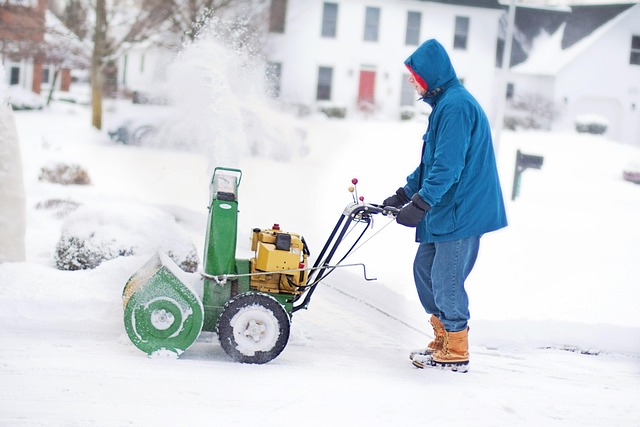
Is The Ryobi Snow Blower Recall Signaling Wider Product Safety Issues In Ontario
Recalls From Amazon, Home Depot and Other Stores This Week in Ontario
Ontario has seen a wave of consumer product recalls this week, led by the Ryobi snow blower recall that has drawn attention across the province. The affected models pose potential safety risks related to electrical malfunctions, prompting swift action from regulators and manufacturers. Alongside Ryobi, other major retailers such as Amazon and Home Depot have issued recalls for various home and power tools. The surge underscores the growing complexity of global supply chains and the increasing scrutiny over product safety oversight in Canada.
Overview of the Ryobi Snow Blower Recall in Ontario
The Ryobi snow blower recall has become a focal point in Ontario’s consumer safety landscape. It highlights both corporate accountability and regulatory vigilance amid concerns about electrical hazards in outdoor power equipment.
Details of the Product Recall
The recall involves specific Ryobi 40V HP Brushless 21-inch Snow Blower models sold through major retailers. These units were found to have wiring defects that could cause short circuits, posing fire or shock hazards during operation. The issue was first identified after several consumer reports of overheating components during use. Health Canada issued an official recall notice earlier this year, urging consumers to stop using the product immediately and contact Ryobi for a free repair or replacement unit.
Nature of the Defect or Safety Concern Prompting the Recall
Investigations revealed that moisture could enter internal electrical components, leading to corrosion and potential failure of insulation materials. Such conditions create a risk of electric shock when operating in wet environments—a scenario common during snow removal. This defect underscores how environmental exposure can exacerbate design vulnerabilities in battery-powered tools.
Timeline of Recall Issuance and Communication to Consumers
The initial recall announcement came in early spring following coordination between Techtronic Industries (TTI), Ryobi’s parent company, and Health Canada. Retailers including Home Depot quickly removed affected inventory from shelves, while online listings were temporarily suspended on e-commerce platforms like Amazon Canada. Consumer notifications were distributed through email alerts, retailer websites, and public databases maintained by Canadian authorities.
Regulatory and Corporate Response
Effective recall management depends on close cooperation between corporate actors and government regulators. In this case, both parties acted promptly to mitigate risk while maintaining transparency with consumers.
Actions Taken by Ryobi and Parent Company Techtronic Industries
Techtronic Industries initiated internal audits across its North American distribution channels to identify all affected serial numbers. The company established a dedicated hotline for customers seeking guidance on returns or replacements. Additionally, TTI implemented new quality control checks for moisture resistance testing before shipment.
Coordination with Health Canada and Other Regulatory Authorities
Health Canada’s Consumer Product Safety Program worked directly with TTI to verify defect reports and oversee corrective actions. Coordination extended to U.S. authorities due to cross-border sales under similar model numbers. This cooperation ensured consistency in messaging across markets while preventing resale of recalled units through secondary channels.
Communication Channels Used to Notify Retailers and Customers
Retailers received electronic bulletins outlining procedures for removing products from inventory systems. Consumers were notified through multiple avenues—direct emails from retailers, push notifications via loyalty apps, and listings on Health Canada’s recall database. This multi-channel approach improved reach among both online shoppers and traditional store buyers.
Broader Context: Recent Product Recalls in Ontario
Beyond Ryobi, several other recalls have surfaced across Ontario this week involving home improvement tools, electronics, and appliances sold by major retailers.
Recalls from Major Retailers such as Amazon and Home Depot
Amazon issued voluntary recalls on certain portable heaters due to overheating risks, while Home Depot flagged a batch of cordless drills with defective battery packs prone to short-circuiting. These incidents share common traits: imported manufacturing origins and reliance on lithium-ion technology—components often sourced globally under tight cost constraints.
Common Product Categories Affected
Power tools, kitchen appliances, and small electronics dominate recent recall lists. Many involve products integrating rechargeable batteries or complex circuitry where minor assembly errors can lead to significant hazards under prolonged use.
Potential Patterns or Shared Risk Factors Among Recalled Items
A recurring theme is inadequate insulation or component sealing against moisture exposure—issues exacerbated by sub-zero Canadian climates. Another factor is inconsistent supplier quality assurance practices among third-party manufacturers operating overseas.
The Role of Supply Chain Complexity in Safety Issues
Globalized production networks amplify both efficiency gains and vulnerability points within product lifecycles.
Impact of Global Sourcing on Quality Control and Safety Oversight
When components are sourced from multiple countries, maintaining uniform quality standards becomes challenging. Variations in local testing protocols can create gaps that only surface once products reach end users under real-world conditions.
Challenges in Tracing Defective Components Across Suppliers
Tracing defective batches often requires navigating multi-tier supplier networks where documentation may be incomplete or delayed. This slows down root-cause identification during urgent recall situations.
How Third-Party Manufacturing Influences Recall Frequency
Outsourced production reduces direct oversight by brand owners like TTI but increases dependency on contractual compliance audits. As seen with recent recalls, lapses at subcontractor facilities can quickly escalate into large-scale market withdrawals.
Evaluating Product Safety Oversight Mechanisms in Ontario
Ontario relies heavily on federal frameworks managed by Health Canada to maintain product safety integrity across sectors.
The Function of Health Canada’s Consumer Product Safety Program
The program systematically monitors incident reports submitted by manufacturers, retailers, and consumers. It conducts risk assessments using standardized criteria before issuing public advisories or mandatory recalls when necessary.
Collaboration Between Federal Regulators, Manufacturers, and Retailers
Effective recall execution depends on timely data exchange among stakeholders. Manufacturers must provide technical documentation supporting defect analyses, while retailers relay consumer contact information for notification purposes.
Transparency Requirements for Public Notification of Recalls
Canadian regulations mandate that all active recalls be published through accessible online databases within 48 hours of confirmation. This transparency builds accountability while allowing independent verification by industry analysts or journalists tracking safety trends.
Retailer Responsibility in Ensuring Product Compliance
Retailers act as critical intermediaries bridging manufacturers’ assurances with consumer trust obligations.
Internal Safety Audits and Compliance Verification Processes at Major Retailers
Large chains such as Home Depot conduct periodic audits evaluating suppliers’ adherence to Canadian Electrical Code standards (CSA C22 series). These reviews include random sampling tests before products reach retail floors.
Data-Sharing Obligations Between Manufacturers and Distributors
Retail agreements increasingly include clauses requiring real-time sharing of defect alerts or warranty claim data streams—helping detect emerging issues faster than traditional reporting cycles allow.
Enforcement Measures for Non-Compliance with Canadian Safety Standards
Non-compliant suppliers face penalties ranging from financial fines to permanent delisting from retail partnerships if they fail corrective action deadlines set by regulatory bodies or corporate compliance departments.
Implications for Consumer Trust and Brand Reputation
Recalls test not only engineering resilience but also brand credibility within competitive markets like power tools.
The Effect of Recalls on Brand Perception in the Power Tool Market
Repeated recalls erode confidence even among loyal customers who value reliability above price advantages. For Ryobi, maintaining market share now depends on transparent remediation efforts paired with visible commitment to long-term safety improvements.
Long-Term Brand Management Strategies Following a Recall Event
Successful recovery often involves public demonstrations of enhanced testing protocols or extended warranties covering repaired units—signals that reassure professional users reliant on consistent performance during winter operations.
Comparative Analysis with Competitors Maintaining Stronger Safety Records
Brands such as DeWalt or Milwaukee benefit from stricter pre-market validation processes that have historically limited their exposure to large-scale recalls—a benchmark Ryobi may look toward emulating moving forward.
Consumer Behavior Trends Following High-Profile Recalls
Consumer reactions post-recall reveal evolving expectations around transparency and accountability within retail ecosystems.
Shifts Toward Alternative Brands or Product Categories After Safety Alerts
Many consumers migrate toward brands perceived as safer alternatives or adopt manual tools over electric ones until confidence is restored through verified corrective measures.
Increased Demand for Transparency Regarding Manufacturing Origins
Shoppers increasingly seek disclosure labels indicating country-of-origin details alongside component sourcing information—a trend accelerated by heightened awareness following global supply chain disruptions during recent years.
Role of Online Reviews and Social Media Discussions in Shaping Perceptions
Social media amplifies both grievances and praise; viral discussions can accelerate reputation damage but also offer opportunities for brands demonstrating authentic responsiveness during crisis management phases.
Emerging Trends in Product Safety Management and Technology Integration
Technological innovation is reshaping how companies predict defects before they escalate into full-scale recalls.
Adoption of Predictive Analytics for Early Risk Detection
AI-driven analytics platforms now monitor production data streams identifying anomalies suggesting potential failures ahead of distribution—a proactive shift replacing reactive recall strategies prevalent today.
Integration of IoT Sensors for Real-Time Performance Tracking Post-Sale
Embedded sensors within advanced power tools transmit operational metrics back to manufacturers enabling early detection if abnormal voltage fluctuations occur under field conditions—potentially preventing accidents altogether.
Predictive Modeling to Forecast Failure Rates Across Product Lines
Statistical modeling helps forecast lifespan variability across model generations allowing engineering teams to refine component tolerances before mass production begins—a practice gaining traction among top-tier toolmakers globally.
Strengthening Recall Management Systems Across Retail Networks
Digital infrastructure plays an increasing role in coordinating rapid responses once defects surface publicly.
Implementation of Centralized Digital Recall Databases Accessible to All Stakeholders
Centralized platforms enable synchronized updates between regulators manufacturers distributors ensuring no stakeholder operates with outdated information during active investigations
Enhanced Coordination Between Manufacturers Logistics Providers And Retailers During Recalls
Integrated logistics tracking allows immediate isolation of affected shipments minimizing exposure time before defective items reach end users
Development Of Automated Customer Notification Systems To Accelerate Response Times
Automated SMS email alerts linked directly from purchase records drastically reduce lag between official announcements improving public safety outcomes
Policy Considerations for Future Product Safety Governance in Ontario
As technology evolves so must governance frameworks guiding safe commercialization practices across industries
Opportunities For Regulatory Enhancement
Potential reforms include revising mandatory pre-sale testing thresholds expanding certification categories covering emerging technologies like battery-integrated outdoor equipment
Incentives For Proactive Compliance Audits Among Manufacturers And Importers
Government-backed incentives rewarding firms conducting voluntary third-party audits could reduce downstream enforcement burdens currently borne by regulators alone
Expansion Of Cross-Border Collaboration With U.S CPSC For Harmonized Standards
Joint initiatives aligning Canadian-U.S standards streamline manufacturer compliance reducing duplication costs while enhancing continental traceability networks
Building a Culture Of Preventive Safety Within The Industry
Beyond regulation cultural transformation remains essential fostering shared responsibility across value chains
Encouraging Corporate Accountability Through Transparent Disclosure Practices
Public disclosure dashboards summarizing annual defect rates encourage continuous improvement rather than reactive remediation cycles alone
Promoting Continuous Improvement Frameworks Within Manufacturing Operations
Embedding lean Six Sigma methodologies within assembly lines enhances early error detection reducing variability linked directly with future recall likelihoods
Leveraging Industry Associations To Disseminate Best Practices In Risk Management
Trade associations serve pivotal roles curating training modules case studies promoting consistent adoption of proven preventive controls industry-wide
FAQ
Q1: Which Ryobi models are part of the current snow blower recall?
A: The affected units include select 40V HP Brushless 21-inch models distributed through major Ontario retailers earlier this season.
Q2: What should consumers do if they own one?
A: They should immediately stop using it contact Ryobi support via official channels for inspection repair or replacement options at no cost.
Q3: Are similar recalls happening outside Ontario?
A: Yes parallel notices exist across other provinces reflecting nationwide distribution patterns though local enforcement timelines may vary slightly.
Q4: How does Health Canada manage these investigations?
A: It collects incident data performs technical evaluations then publishes verified recall notices through its national database accessible online within two days after confirmation.
Q5: Will this impact Ryobi’s future product launches?
A: Likely yes upcoming releases will undergo stricter durability testing especially regarding moisture resistance sealing integrity critical under Canadian winter conditions.