

Was The Ryobi Drill Recall In 2010 A Turning Point For Product Safety
This Old Ryobi Drill Was Recalled In 2010 – Owner Gets Replacement 16 Years Later
In 2010, Ryobi recalled several cordless drills after reports of overheating and fire hazards. The recall, coordinated with the U.S. Consumer Product Safety Commission (CPSC), affected thousands of units sold through major retailers. Sixteen years later, one owner unexpectedly received a replacement for the defective drill, reigniting discussion on product lifecycle management and corporate accountability. The case shows how legacy recordkeeping and persistent consumer data tracking can sustain brand responsibility far beyond standard recall periods.
Background of the 2010 Ryobi Drill Recall
The recall of certain Ryobi power tools in 2010 marked a significant event in the consumer safety landscape for handheld equipment. It reflected how manufacturing oversight and electrical design flaws could trigger widespread regulatory action.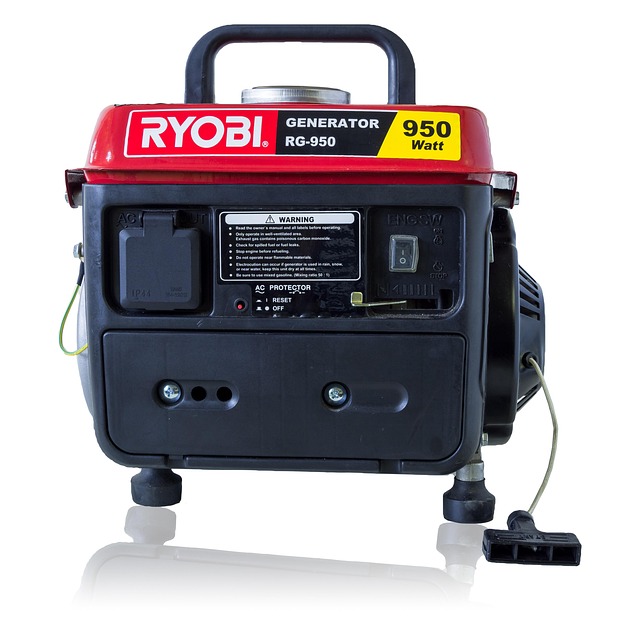
Overview of the Recalled Ryobi Drill Models
The affected models included the Ryobi HP1802M, HP1802M1, and HP1803M cordless drills, primarily sold between 2001 and 2003. These units were distributed through large retail chains and home improvement stores across North America. Reports indicated that internal wiring defects could cause short circuits, leading to overheating or melting of the battery housing during use or charging. The CPSC’s investigation cited multiple consumer complaints involving smoke emission and minor burns before the recall was announced.
Regulatory and Manufacturer Response
Ryobi worked directly with the CPSC to issue an immediate stop-sale order for all remaining inventory. Public notices were disseminated through press releases, retailer bulletins, and service center postings to alert consumers about potential hazards. The company offered free replacements or refunds upon verification of serial numbers. This collaboration underscored how manufacturers must maintain transparent communication channels with federal agencies to manage product risks effectively.
Technical Analysis of the Safety Defects
The technical faults identified in these drills provide insight into early-2000s cordless tool engineering limits. Analysis revealed that cost-driven component sourcing contributed to design compromises affecting electrical integrity.
Mechanical and Electrical Faults Identified
Investigations found that insulation on internal wiring could degrade under high current loads, particularly when batteries were charged repeatedly without cooling intervals. The motor housing lacked adequate venting, causing heat accumulation around sensitive connectors. Additionally, some battery interfaces used substandard contact springs that increased resistance over time—a known precursor to thermal runaway events in nickel-cadmium systems.
Risk Assessment and Failure Mechanisms
Before the recall, incident data showed a pattern: drills operated at high torque settings tended to fail faster due to extended current draw through undersized wires. Testing by independent laboratories confirmed that these failures could ignite nearby flammable materials if left unattended during charging. Consumer feedback played a crucial role in identifying these patterns since many users reported similar symptoms across different regions.
The Recall’s Impact on Product Safety Standards
The Ryobi drill recall became a reference point for tightening quality control in portable power tools. Its aftermath influenced both internal corporate policies and broader industry certification practices.
Influence on Industry-Wide Safety Protocols
Following the incident, manufacturers began adopting stricter compliance with UL (Underwriters Laboratories) standards for battery-powered devices. Third-party audits became more frequent, focusing on traceability of electrical components from suppliers to assembly lines. This shift encouraged greater accountability across supply chains and reinforced ISO 9001-based quality assurance systems within tool production facilities.
Evolution of Recall Management Procedures
By 2015, many companies had integrated digital tracking systems allowing customers to register products online for direct recall alerts. Serial number verification portals simplified replacement logistics while reducing fraudulent claims. Collaboration between manufacturers and regulators improved response times dramatically compared with earlier paper-based processes.
Long-Term Implications for Brand Reputation and Consumer Trust
For Ryobi, recovering from this recall required more than technical fixes—it demanded rebuilding consumer confidence through sustained transparency and innovation.
Ryobi’s Post-Recall Strategy and Market Recovery
After addressing safety concerns, Ryobi redesigned its cordless drill line with lithium-ion technology featuring built-in temperature sensors and overload protection circuits. Marketing campaigns emphasized durability testing and independent certifications to reassure customers. Over subsequent years, sales gradually rebounded as consumers recognized visible improvements in product reliability.
Lessons Learned in Corporate Accountability
The episode demonstrated that proactive disclosure fosters long-term trust even when short-term losses occur. By maintaining open communication about risks, Ryobi preserved its professional reputation among contractors and hobbyists alike. The balance between cost efficiency and preventive safety investment became a recurring theme across the entire power tool sector.
Revisiting the Case Sixteen Years Later: Replacement After Delay
Sixteen years after the original recall announcement, an owner unexpectedly received a replacement unit—an unusual outcome considering typical recall closure timelines rarely exceed a decade.
Circumstances Surrounding the Late Replacement Event
The delayed replacement likely resulted from persistent recordkeeping within Ryobi’s customer service databases combined with modernized warranty tracking systems introduced after 2020. When older serial numbers resurfaced during inventory audits or customer inquiries, automated notifications triggered fulfillment procedures even though official recall operations had long ended.
What This Incident Reveals About Product Lifecycle Management Today
This rare instance highlights how legacy product data can intersect with contemporary digital infrastructure to uphold consumer rights decades later. Maintaining archival records not only supports legal compliance but also demonstrates ethical responsibility toward user safety beyond statutory limits. It reflects an evolving expectation: brands must remain accountable throughout a product’s operational lifespan rather than merely during its market cycle.
FAQ
Q1: Which Ryobi drill models were recalled in 2010?
A: The primary models were HP1802M, HP1802M1, and HP1803M cordless drills manufactured between 2001 and 2003 due to overheating risks linked to internal wiring faults.
Q2: How did Ryobi handle communication during the recall?
A: The company coordinated directly with the CPSC to release public safety notices through retailers and media outlets while offering free replacements or refunds upon verification.
Q3: What technical flaw caused the fire hazard?
A: Degraded wire insulation combined with poor ventilation led to excessive heat buildup around battery contacts during operation or charging cycles.
Q4: How did this recall influence industry standards?
A: It prompted wider adoption of UL-certified designs, improved supplier traceability systems, and faster digital recall notification frameworks across power tool manufacturers.
Q5: Why did someone receive a replacement after sixteen years?
A: Persistent database integration allowed old serial numbers from legacy recalls to remain traceable within updated warranty systems, enabling fulfillment even long after closure dates expired.