
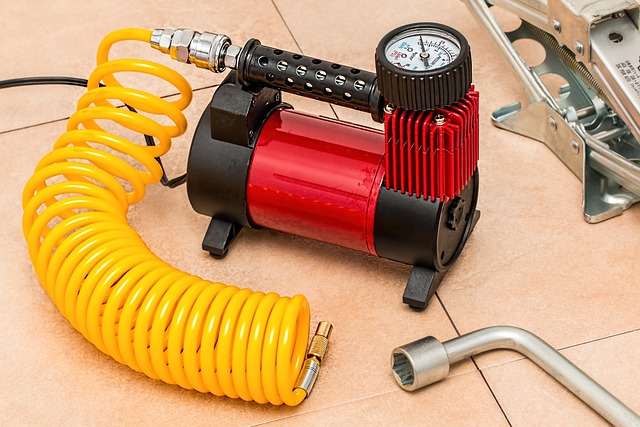
How To Use Air Compressor Safely Indoors And Avoid Hidden Hazards
Is It Safe to Use an Air Compressor Indoors? Here’s What You Should Know
Air compressors are indispensable in workshops, garages, and industrial facilities. Yet, using them indoors raises legitimate safety concerns. The short answer is yes—an air compressor can be used indoors, but only if it’s the right type and operated under proper ventilation, electrical, and maintenance conditions. Electric compressors are generally safe for enclosed spaces, while gas-powered models pose serious carbon monoxide risks. Proper airflow design, noise control, and adherence to safety standards are essential for maintaining a healthy indoor environment.
Understanding the Fundamentals of Indoor Air Compressor Use
Before determining whether an air compressor suits indoor use, it’s important to grasp how these machines operate and what differentiates one model from another in terms of safety and performance.
The Core Mechanics of Air Compressors
An air compressor functions by converting power into potential energy stored in pressurized air. The motor drives a pump that compresses air into a storage tank until it reaches a preset pressure level. When released, this stored energy powers pneumatic tools or cleaning systems.
Electric compressors rely on household or industrial power supplies and are preferred indoors due to zero exhaust emissions. Gas-powered units burn fuel to generate mechanical energy; while powerful, they emit carbon monoxide and other fumes unsuitable for confined areas.
Key components include the motor that drives compression, the tank that holds compressed air, the pressure switch that controls cut-in and cut-out cycles, and the safety valve that prevents over-pressurization—a critical fail-safe for indoor operation.
Evaluating Indoor Suitability
Indoor suitability depends on ventilation quality, room size, compressor output, and environmental conditions. An electric unit with low heat emission is ideal for enclosed workshops or labs. Ventilation plays a decisive role: without adequate air exchange rates, even electric compressors can cause overheating or humidity buildup.
Humidity control is equally vital since moisture condenses inside tanks during compression cycles; unchecked condensation accelerates corrosion. Temperature stability also affects compressor efficiency—cold environments reduce oil viscosity in lubricated models, while hot rooms increase thermal stress on motors.
Identifying Hidden Hazards of Indoor Operation
Operating an air compressor indoors introduces invisible risks beyond basic mechanical failure. From toxic fumes to excessive noise and fire hazards, each threat demands specific preventive measures.
Carbon Monoxide and Fume Risks
Gas-powered compressors emit carbon monoxide (CO), an odorless gas that can cause poisoning within minutes in poorly ventilated spaces. CO binds with hemoglobin more effectively than oxygen, depriving organs of oxygen supply. Inadequate ventilation compounds this hazard by trapping exhaust gases indoors.
Safe alternatives include switching to electric compressors or installing exhaust ducts leading outdoors when combustion engines must be used temporarily indoors.
Noise Pollution and Hearing Risks
Industrial-grade compressors often produce 85–100 decibels during operation—comparable to heavy traffic noise levels. Prolonged exposure above 85 dB can lead to permanent hearing loss among technicians working nearby. Enclosed spaces amplify sound reflections off walls and ceilings, increasing perceived loudness.
Soundproofing strategies include using acoustic panels around work areas or isolating the compressor in a separate room lined with vibration-dampening mats.
Fire and Explosion Hazards
Heat buildup from continuous operation can ignite flammable vapors or dust suspended in confined rooms. Electrical faults such as short circuits or ungrounded wiring further raise ignition risks. Proper grounding dissipates static charges that could otherwise trigger sparks near volatile substances like paint thinners or solvents stored nearby.
Ensuring Proper Ventilation and Air Quality Control
Efficient ventilation systems not only remove fumes but also stabilize temperature and humidity levels essential for safe indoor compressor use.
Designing Effective Ventilation Systems
Airflow requirements depend on compressor horsepower and room volume. A general guideline is maintaining at least six complete air exchanges per hour in small workshops using mid-range electric units. Installing exhaust fans near ceiling height helps disperse rising warm air generated during compression cycles.
Duct systems should direct hot exhaust toward exterior vents rather than recirculating it indoors. Placing compressors near intake vents improves cooling efficiency without disrupting workspace layout.
Monitoring Indoor Air Quality During Operation
Continuous monitoring protects operators from unseen pollutants like carbon monoxide or volatile organic compounds (VOCs). CO detectors should be installed at breathing height rather than near floors since CO mixes evenly with air.
Filters require regular inspection; clogged intakes strain motors and degrade airflow efficiency. For high-use environments such as manufacturing floors, automated monitoring systems log real-time data on particulate matter concentration to maintain compliance with occupational exposure limits set by OSHA.
Electrical Safety Protocols for Indoor Use
Electrical reliability forms the backbone of safe indoor compressor operation—especially where multiple tools share circuits.
Managing Power Supply Requirements
Voltage compatibility between the compressor and power source prevents overloads that trip breakers or damage internal wiring. Dedicated circuits rated for correct amperage minimize current fluctuations during startup surges common in high-torque motors. Grounded outlets paired with surge protectors stabilize voltage spikes caused by transient loads from other equipment.
Preventing Electrical Faults and Overheating
Routine inspections should include checking cables for frayed insulation or loose connectors before each shift begins. Compressors need clearance space—typically one meter around all sides—to dissipate heat effectively. Automatic thermal shut-off systems add another layer of protection by cutting power when internal temperatures exceed manufacturer limits.
Maintenance Practices That Enhance Indoor Safety
Even small lapses in maintenance can escalate into major hazards inside enclosed environments where airflow is limited.
Regular Inspection Routines
Pressure relief valves must be tested periodically to confirm they open correctly under excess pressure conditions. Hoses should be examined for cracks or corrosion along fittings since leaks waste energy and may spray oil mist into breathable zones. Lubricated models demand consistent oil-level checks to prevent bearing seizure under load stress.
Storage and Handling Procedures
Condensation drained from tanks after each use prevents rust formation inside steel reservoirs—a common cause of premature failure in humid climates. When idle, compressors should be stored away from combustible materials such as sawdust piles or solvent containers. Hoses laid across walkways present tripping hazards; securing them along walls maintains clear floor paths.
Selecting the Right Compressor for Indoor Applications
Choosing the right model directly influences both performance efficiency and workplace safety standards indoors.
Choosing Between Oil-Free and Oil-Lubricated Models
Oil-free compressors offer clean operation ideal for laboratories or food-processing facilities where contamination cannot occur. They require less maintenance but have shorter duty cycles compared with lubricated types designed for heavy workloads over long hours.
Assessing Size, Capacity, and Noise Level Requirements
Tank capacity must align with tool demand frequency: small tanks cycle more often, generating extra heat; larger tanks maintain steady pressure longer but occupy more space. Noise ratings below 70 dB suit residential garages where conversation-level sound is desirable, whereas industrial setups tolerate higher thresholds if isolated acoustically.
Portable units provide flexibility for service technicians moving between workstations; stationary models integrate better into fixed production lines due to greater stability under continuous load conditions.
Professional Safety Standards and Compliance Guidelines
Compliance ensures legal accountability while protecting personnel health through structured procedures recognized across industries.
Adhering to Industry Regulations
OSHA mandates specific limits on noise exposure duration relative to decibel intensity under Standard 1910 Subpart G—critical when operating loud machinery like compressors indoors. Manufacturers’ manuals specify installation distances from walls or combustible surfaces that must be documented during workplace audits as part of occupational safety records management systems.
Training Personnel in Safe Operation
Comprehensive training programs teach technicians how to handle emergency shutdowns when pressure spikes occur unexpectedly or leaks appear near fittings under load pressure. Drills simulating fume alarms reinforce quick evacuation responses crucial during CO incidents involving misused gas-powered units indoors. Encouraging preventive maintenance habits builds collective responsibility within teams managing shared workshop equipment daily.
FAQ
Q1: Can any type of air compressor be used indoors?
A: No, only electric-powered models are suitable because gas-powered ones emit carbon monoxide dangerous in enclosed spaces without proper ventilation.
Q2: How much ventilation does an indoor workshop need?
A: At least six full air exchanges per hour are recommended depending on room size and compressor output level to prevent heat accumulation.
Q3: What noise level is considered safe for continuous exposure?
A: According to OSHA guidelines, exposure above 85 dB over eight hours requires hearing protection such as earmuffs or acoustic barriers around machinery zones.
Q4: Why drain condensation from the tank regularly?
A: Moisture buildup leads to internal rusting which weakens tank integrity over time; draining after each session extends lifespan significantly.
Q5: Are oil-free compressors better suited for clean environments?
A: Yes, oil-free designs eliminate risk of aerosolized lubricant contamination making them ideal for medical labs or food processing facilities operating indoors.