How To Use A Easy Out Screw Extractor For The Best Drill Bit Choice
Best Drill Bit For Drilling Out Bolt That Saves Your Day!
Choosing the best drill bit for drilling out a bolt can make or break a repair job. The right bit not only saves time but also preserves the integrity of the surrounding material. For professionals who often deal with seized or broken fasteners, cobalt and carbide-tipped bits are the most reliable options. They withstand heat, resist wear, and maintain sharpness even under heavy torque. When paired with an easy out screw extractor, these bits turn a frustrating task into a controlled operation that restores precision and safety in mechanical work.
Understanding the Purpose of an Easy Out Screw Extractor
An easy out screw extractor is one of those tools that every technician keeps close at hand. It’s designed to rescue situations where bolts shear off or screw heads strip beyond recognition.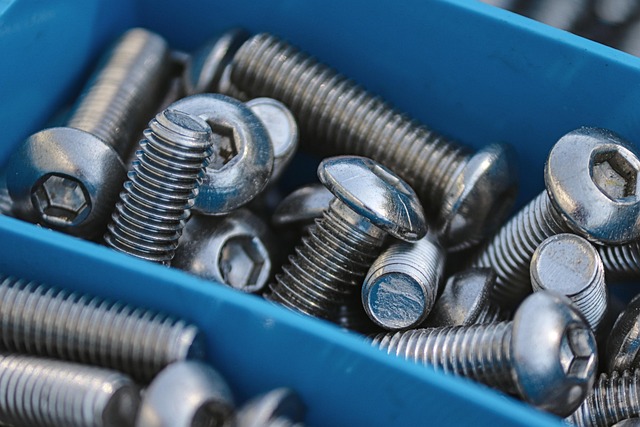
The Mechanics Behind Screw Extraction
An easy out screw extractor removes damaged or broken fasteners without harming nearby surfaces. It works by cutting into a pre-drilled hole on the broken screw and applying reverse torque to back it out. The tapered reverse-thread design increases grip as torque rises, making it effective for both small screws and large bolts.
When to Use a Screw Extractor
This tool comes into play when traditional methods—pliers, vice grips, or heat—fail to move a stuck fastener. It’s ideal for stripped threads, rusted bolts, or snapped studs in automotive engines, metal fabrication setups, and industrial machinery maintenance. Professionals often reach for it when downtime costs more than the labor itself.
Selecting the Right Drill Bit for Screw Extraction
Choosing the correct drill bit before using an extractor determines whether the process goes smoothly or ends with a snapped tool inside the hole. Material hardness, size compatibility, and coating all influence performance and precision.
Factors to Consider When Choosing a Drill Bit
The bit’s hardness should match or exceed that of the fastener. For example, cobalt bits handle hardened steel better than standard HSS bits. Diameter matters too; it must align with extractor specifications so that engagement is secure without weakening threads. Coatings like titanium nitride improve wear resistance and reduce friction heat—a small detail that extends tool life significantly.
Recommended Drill Bit Materials for Extractor Preparation
High-Speed Steel (HSS) Bits
HSS bits serve well for everyday use on softer metals like aluminum or brass. They balance affordability with decent durability, making them suitable for general-purpose drilling before extraction.
Cobalt Alloy Bits
Cobalt alloy bits excel at penetrating hardened steel bolts thanks to their superior heat tolerance. They stay sharp longer under continuous friction, which is crucial when drilling deep pilot holes during extraction preparation.
Carbide-Tipped Bits
For industrial-grade challenges—corroded bolts in heavy machinery or stainless-steel assemblies—carbide-tipped bits are unmatched. However, they require steady alignment since lateral stress can chip their edges easily.
Step-by-Step Process of Using an Easy Out Screw Extractor
Even experts benefit from following structured steps when learning how to use a easy out screw extractor efficiently. Consistency prevents tool damage and ensures safe removal under pressure.
Preparing the Damaged Fastener for Extraction
First, secure the component in a vice or clamp to eliminate movement during drilling. Clean off rust and debris using a wire brush or solvent so markings stay visible. Then mark the exact center of the broken screw with a punch; this ensures your pilot hole remains aligned with the fastener’s axis.
Drilling a Pilot Hole with Precision
Select a drill bit slightly smaller than your extractor’s core diameter based on manufacturer charts. Run your drill at moderate speed while maintaining firm but not excessive pressure—overheating dulls even premium bits quickly. Drill deep enough to seat the extractor but avoid cutting through existing threads beneath.
Engaging and Operating the Screw Extractor Correctly
Inserting the Extractor into the Pilot Hole
Gently tap the extractor into place using a hammer until it bites securely into the cavity. Forceful blows risk fracturing either tool or workpiece—a common mistake even seasoned technicians make under frustration.
Applying Reverse Torque Safely
Attach a T-handle wrench or adjustable spanner to apply counterclockwise torque gradually. As resistance eases, continue turning until the screw backs out completely. If resistance holds steady instead of decreasing, stop immediately; recheck alignment before continuing to avoid breaking off the extractor inside.
Advanced Techniques for Difficult Extractions
When standard methods fail, advanced approaches help tackle hardened bolts or complex assemblies without damaging threads or surrounding materials.
Managing Hardened or Heat-Treated Bolts
Penetrating oil applied several hours before extraction reduces friction along threads significantly. For extreme cases like exhaust manifold studs, alternating heating with cooling cycles expands metal differentially and helps loosen bonds caused by oxidation layers.
Preventing Drill Bit Breakage During Extraction Preparation
Cutting fluid plays an underrated role here—it dissipates heat buildup during drilling operations and keeps chips from welding onto flutes. Also avoid side pressure; even small deflections can snap fine cobalt tips mid-operation.
Alternative Methods When Extractors Fail
Welding Method Integration
If extractors can’t grip properly due to depth limits, welding a nut onto exposed bolt remnants provides new leverage points for removal using standard wrenches once cooled down slightly.
Left-Handed Drill Bit Strategy
Reverse-cut drill bits sometimes unthread bolts while forming pilot holes because their rotation direction matches extraction torque—a subtle yet effective trick many machinists rely on before switching tools entirely.
Maintenance and Safety Practices in Screw Extraction Operations
Routine care extends both tool life and operator safety—two aspects often overlooked until failure occurs mid-task.
Maintaining Tool Longevity and Performance Accuracy
Inspect extractors regularly for rounding edges or micro-fractures after each session; replace worn ones immediately since compromised geometry risks jamming inside drilled holes. Keep all components dry between uses to prevent corrosion from dulling cutting edges over time.
Ensuring Operator Safety During Extraction Tasks
Protective eyewear shields against flying metal shards while gloves prevent cuts from sharp fragments around drilled areas. Always confirm that rotating parts are secured firmly before starting power tools; unexpected kickback can cause serious injury even in controlled environments.
FAQ
Q1: What is the best drill bit material for removing hardened bolts?
A: Cobalt alloy bits perform best due to their ability to withstand high temperatures without losing edge sharpness during prolonged drilling sessions on tough metals.
Q2: How do I prevent my easy out screw extractor from breaking?
A: Avoid excessive force when inserting it into pilot holes and apply reverse torque gradually using proper handles rather than impact tools.
Q3: Can left-handed drill bits replace extractors entirely?
A: Not always—they sometimes remove loose bolts during drilling but fail against deeply seized fasteners requiring stronger grip from dedicated extractors.
Q4: Why does my drill bit overheat quickly while preparing holes?
A: Overheating usually results from high speed combined with inadequate lubrication; applying cutting oil helps maintain temperature balance effectively.
Q5: What safety gear should be used during screw extraction?
A: Always wear safety glasses and gloves; ensure stable clamping of workpieces before activating drills or applying torque manually.