
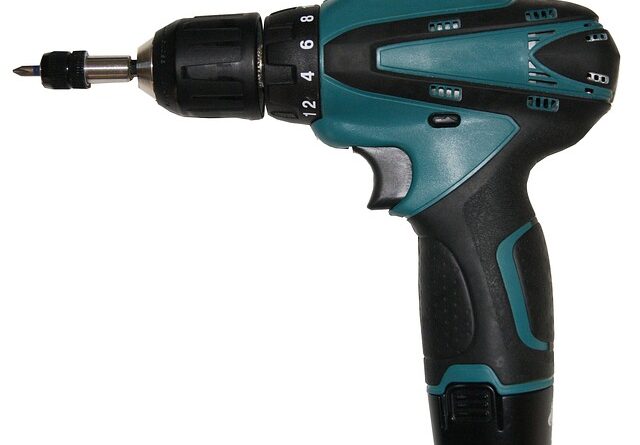
Is a Cordless Right Angle Drill the Key to Solving Awkward Drill Work
This DeWalt Multi-Head Driver Is the Fix for Awkward Drill Work
The DeWalt Multi-Head Driver redefines how professionals handle confined or awkward drilling tasks. Designed for precision and adaptability, it merges the versatility of multiple head attachments with the convenience of cordless operation. On crowded worksites where space is limited, this tool eliminates the struggle of fitting standard drills into corners or between joists. Its right-angle configuration, balanced ergonomics, and advanced battery system make it a practical solution for electricians, carpenters, and HVAC specialists seeking consistent performance without compromising control.
The Role of a Cordless Right Angle Drill in Modern Worksites
Across modern construction and maintenance environments, compact power tools have become indispensable. The cordless right angle drill has evolved as a response to increasingly complex layouts and tighter installation zones.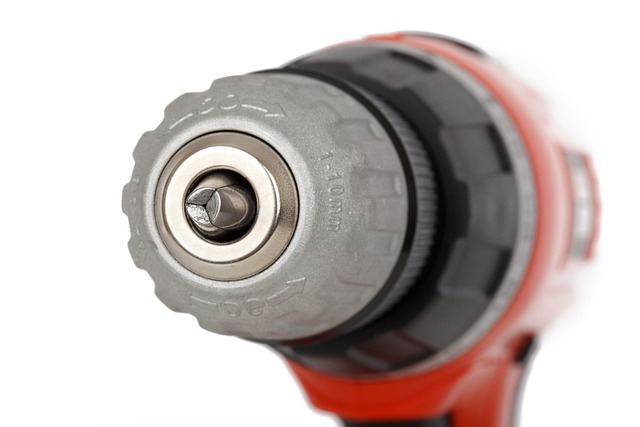
The Evolution of Drill Design for Confined Spaces
Traditional drills once dominated general-purpose work but often failed in restricted areas such as cabinetry interiors or vehicle engine bays. Over time, manufacturers introduced compact and multi-head systems that allowed technicians to reach spaces previously inaccessible. Ergonomic refinements like angled grips and balanced weight distribution now enable longer use with reduced fatigue. As cordless technology matured, lithium-ion batteries replaced older nickel-based cells, offering lighter weight and longer runtimes—an essential shift for tradespeople who move constantly across sites.
Why Right Angle Drills Are Essential for Awkward Angles
The 90-degree head of a cordless right angle drill provides mechanical access where straight drills cannot fit. Unlike offset attachments that only slightly shift the bit’s position, right-angle mechanisms rotate the drive direction entirely, allowing perpendicular drilling next to obstacles. In cabinetry work, it helps secure hinges inside narrow compartments; in HVAC systems, it reaches duct corners; in electrical installations, it passes through studs without damaging wiring; and in automotive repair, it loosens fasteners deep within engine compartments.
Key Features That Define a High-Performance Cordless Right Angle Drill
Performance metrics for professional-grade tools revolve around torque output, speed regulation, and runtime stability. Each factor directly influences efficiency on site.
Torque, Speed, and Control Considerations
A well-balanced drill must deliver enough torque to drive large fasteners while maintaining speed consistency for delicate tasks like pilot holes. Electronic clutch systems protect both material and bit by preventing overdriving—a common issue when working blind behind panels. Variable speed triggers further refine control across wood, metal, or composite surfaces. For instance, electricians often switch from low-speed torque when boring through studs to high-speed rotation when fastening junction boxes.
Battery Technology and Runtime Efficiency
Lithium-ion cell advancements have transformed cordless right angle drills into reliable main tools rather than backup options. High-capacity packs now sustain hours of intermittent drilling without recharge interruptions. Compatibility with shared battery platforms across a brand’s ecosystem also simplifies logistics on multi-tool jobsites. Smart power management circuitry maintains voltage under heavy loads so performance remains stable even when cutting through dense hardwood or steel framing.
Examining the DeWalt Multi-Head Driver as a Solution to Awkward Drill Work
The DeWalt Multi-Head Driver exemplifies how modular engineering can extend tool functionality beyond conventional designs.
Multi-Head Versatility and Functional Adaptability
Its interchangeable heads—right-angle, offset, hex-driver—allow one body to perform multiple roles without swapping entire tools. This flexibility reduces downtime during complex assembly sequences where different orientations are required within minutes. Quick-change mechanisms built into the coupling ensure secure attachment while minimizing play between components—a critical factor when maintaining accuracy under torque stress.
Ergonomic Design and User-Centered Engineering
DeWalt’s design prioritizes user comfort during extended sessions in confined positions. The handle geometry minimizes wrist strain by aligning grip with rotational force paths rather than forcing unnatural angles. Weight distribution is calibrated so overhead operations remain steady without excessive counterpressure on the wrist or shoulder. Integrated LED lighting enhances visibility inside cabinets or crawl spaces where external illumination is limited. Compact housing further improves maneuverability when clearance is measured in millimeters rather than inches.
Practical Applications Across Professional Trades
Real-world performance defines tool value more than specifications alone. The cordless right angle drill’s practicality extends across several trades where spatial constraints are routine.
Electrical and Plumbing Installations in Tight Areas
Electricians frequently encounter stud cavities barely wide enough for conduit runs; plumbers face similar challenges routing pipes behind walls or under sinks. A right-angle configuration allows drilling through joists at precise entry points while maintaining alignment with existing lines. Fasteners behind fixtures can be tightened securely without dismantling surrounding structures—a time-saving advantage during retrofits or service calls.
Carpentry and Cabinetmaking Precision Tasks
Cabinetmakers rely on compact drills to assemble frames within tight interiors where full-sized drivers would mar finished surfaces. Using a right-angle attachment preserves surface integrity while ensuring screws seat flush at proper depth. Precision alignment becomes easier since variable speed control compensates for uneven grain resistance or softwood compression near edges.
Evaluating Performance Metrics for Expert Users
Professional evaluation goes beyond initial impressions; durability under continuous load cycles separates consumer-grade tools from industrial performers.
Durability, Maintenance, and Longevity Factors
Heavy-duty gearbox assemblies made from hardened steel resist wear from repetitive torque transfer during long shifts. Proper lubrication schedules prevent internal friction damage while maintaining smooth gear meshing over thousands of cycles. Dust-sealed casings protect electronic components from debris common on construction floors or automotive bays—critical for extending service life without frequent teardown maintenance.
Comparative Assessment with Conventional Drills
Compared to straight-body models, cordless right angle drills reduce repositioning time dramatically in obstructed zones since users can approach fasteners laterally instead of head-on. However, this compactness may slightly limit maximum torque capacity relative to bulkier hammer drills used on masonry or thick metal plates. For most installation tasks though—especially those involving wood framing or light-gauge steel—the trade-off favors maneuverability over brute strength.
Selecting the Right Cordless Right Angle Drill for Professional Needs
Choosing an appropriate model involves matching technical parameters with actual field requirements rather than relying solely on brand recognition or advertised specs.
Criteria for Choosing Based on Job Requirements
Professionals should evaluate torque ratings relative to material hardness: softer woods need less force but greater speed modulation; metals demand slower RPMs with higher torque reserves. Bit size compatibility also affects motor load balance during prolonged use. Some prefer dedicated angle designs for consistent rigidity while others value interchangeable heads like those on DeWalt’s system for cross-task efficiency.
Integration into Existing Tool Systems and Workflow Optimization
Cordless platforms that share batteries among saws, impact drivers, and lights simplify inventory management across teams working simultaneously on large projects. By reducing tool changes mid-task—say switching from drilling pilot holes to driving screws—the workflow remains fluid and productive throughout shifts.
FAQ
Q1: What makes a cordless right angle drill different from a standard drill?
A: It features a 90-degree head that allows access into confined spaces where traditional straight drills cannot operate effectively.
Q2: How long does a typical lithium-ion battery last in continuous use?
A: Depending on capacity and workload intensity, most professional-grade packs provide two to four hours of active runtime before recharge is needed.
Q3: Can the DeWalt Multi-Head Driver handle heavy-duty applications?
A: Yes, though its strength lies more in versatility than raw power; it performs best in installation tasks requiring precision rather than large-diameter boring.
Q4: Are multi-head drivers compatible with other brands’ batteries?
A: Usually not; most systems are proprietary within their respective ecosystems to maintain safety standards and performance consistency.
Q5: What maintenance steps extend the life of a cordless right angle drill?
A: Regularly clean vents to prevent dust buildup, check bit alignment after impacts, lubricate gears periodically, and store batteries at moderate temperatures between uses.