
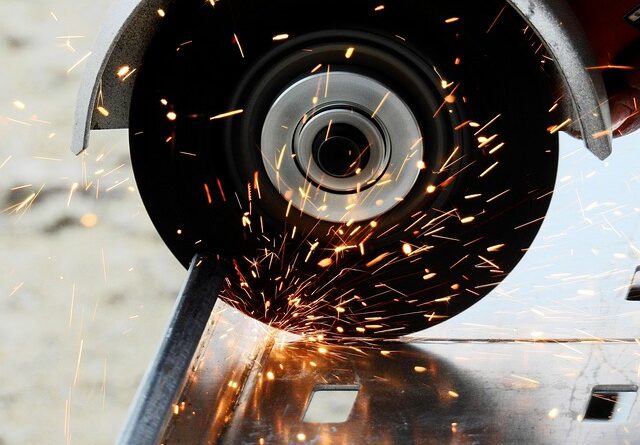
How Does an Angle Grinder Wrench Improve Electric Angle Grinder Precision
Best Angle Grinder Accessories You Can’t Work Without
Among the wide range of electric angle grinder accessories, the wrench stands out as a precision tool that directly affects both safety and performance. Experts agree that even the most powerful grinder loses efficiency if its discs are not properly tensioned. The angle grinder wrench provides that essential connection between torque control and disc stability, making it indispensable for anyone seeking consistent cutting accuracy and reduced vibration in demanding industrial or workshop environments.
Understanding the Role of an Angle Grinder Wrench in Precision Work?
An angle grinder’s efficiency depends not only on motor power but also on how securely its accessories are mounted. The wrench plays a crucial role in this mechanical relationship, translating hand-applied torque into precise disc alignment and secure fastening.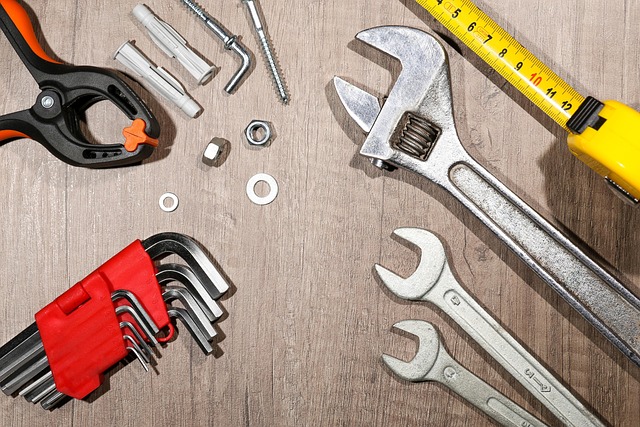
The Mechanical Function of an Angle Grinder Wrench
The wrench applies controlled torque to tighten or loosen discs without damaging threads or flanges. This balance prevents over-tightening, which can deform the spindle, and under-tightening, which can cause dangerous disc slippage. By maintaining correct alignment, it minimizes vibration and helps the grinder run smoothly even at high rotational speeds.
How Proper Wrench Use Enhances Operational Accuracy
Accurate tensioning is vital for maintaining consistent contact between the grinding surface and the workpiece. When discs are tightened evenly, micro-movements that cause uneven wear are minimized. During long runs or fine finishing tasks, this translates into cleaner edges and uniform material removal—a key requirement in metal fabrication or precision stone cutting.
The Connection Between the Angle Grinder Wrench and Electric Angle Grinder Performance
The relationship between a wrench and an electric angle grinder goes beyond simple assembly; it influences mechanical efficiency, load distribution, and tool longevity. A properly secured disc reduces unnecessary strain on internal components while stabilizing rotational dynamics.
Torque Transmission and Stability Factors
Applying precise torque improves motor performance by distributing load evenly across bearings and gears. This stability reduces mechanical noise and heat buildup during prolonged use. Balanced mounting also protects internal parts from premature wear—a common issue when discs wobble due to uneven tightening.
Influence on Speed Control and Disc Behavior
A well-secured disc maintains consistent speed even under fluctuating loads. This steadiness ensures predictable cut depth and finish quality, especially when using variable-speed grinders for detailed work. Inconsistent tightening often leads to speed dips that compromise both precision and safety.
Design Features That Support Precision in Professional Applications
Modern angle grinder wrenches are engineered for durability, comfort, and compatibility across models. Their design reflects decades of user feedback from professional machinists who demand both strength and finesse from their tools.
Material Composition and Ergonomic Considerations
High-quality wrenches use hardened steel to resist deformation after repeated use. Ergonomic handles improve grip control so users can apply steady torque without slipping, even with oily hands or gloves. Compact profiles allow access to tight spaces—an advantage when working inside machinery housings or structural frames.
Compatibility with Different Grinder Models and Accessories
Many professional wrenches feature universal pin spacing that fits various flange sizes used across major electric angle grinder brands. Adjustable designs accommodate both standard locking nuts and quick-release mechanisms, ensuring versatility on job sites where multiple grinders are in operation.
Techniques for Maximizing Precision with a Grinder Wrench
Even the best-designed wrench requires proper handling techniques to achieve optimal results. Experienced technicians follow specific tightening sequences and maintenance routines to maintain long-term accuracy.
Proper Tightening Sequence for Optimal Balance
Before applying torque, flanges should be aligned evenly against the disc’s center hole to prevent eccentric rotation. Gradual pressure should be applied until reaching manufacturer-specified tension levels—usually indicated by tactile feedback rather than brute force. After a short test run, rechecking alignment confirms that no imbalance has developed during initial operation.
Maintenance Practices to Preserve Accuracy Over Time
Regular inspection of wrench pins helps detect rounding or wear that could reduce grip strength. Cleaning thread interfaces removes metal dust or debris that might cause uneven pressure during tightening. Light lubrication of moving parts keeps torque delivery consistent over time—a small habit that significantly extends tool lifespan.
Integrating the Angle Grinder Wrench into a Precision Workflow
In professional workflows where tolerances matter down to fractions of a millimeter, every accessory must contribute to consistency. The wrench becomes part of a broader system designed around balance, measurement, and controlled motion.
Coordinating with Other Essential Accessories
When paired with balancing flanges, vibration-damping handles, or precision guards, a properly used wrench enhances overall control during grinding operations. Technicians often check rotational consistency using digital tachometers after securing discs—a practice common in aerospace component finishing where surface uniformity is critical.
Safety and Efficiency Benefits in Professional Operations
Secure attachments greatly reduce risks associated with high-speed disc ejection under heavy load conditions. Stable setups also cut down material waste by preventing uneven cuts during finishing passes. Over time, disciplined assembly practices supported by reliable wrenches extend tool life while keeping operational costs predictable—a practical benefit valued across industries from construction to automotive restoration.
FAQ
Q1: Why is an angle grinder wrench essential for professionals?
A: It ensures precise torque application for secure disc mounting, reducing vibration and improving cutting accuracy during extended use.
Q2: Can one wrench fit all electric angle grinders?
A: Many modern wrenches feature adjustable pin spacing compatible with most brands, but checking manufacturer specifications remains important for safety.
Q3: How often should a grinder wrench be inspected?
A: Professionals typically inspect pins monthly or after every 50 hours of use to detect wear that could affect tightening reliability.
Q4: Does improper tightening affect grinder performance?
A: Yes, uneven tensioning can cause imbalance leading to excessive vibration, bearing stress, or inconsistent cutting depth.
Q5: What materials make the most durable grinder wrenches?
A: Hardened alloy steel offers superior resistance against bending or rounding under repeated high-torque applications common in industrial environments.