
Is Cement Hammer Drill Technology Driving the Global Construction Surge
Global Demand for Cement Hammer Drills Rises Amid Construction Boom
The global construction surge is reshaping the power tool landscape. Rapid infrastructure expansion, particularly in developing regions, has intensified demand for high-performance drilling equipment. Cement hammer drills now serve as indispensable tools in both large-scale and precision construction. As cities expand vertically and projects become more complex, manufacturers are responding with smarter, more durable, and energy-efficient designs. Battery operated drill systems, once seen as supplementary, are now central to professional workflows due to their mobility and technological sophistication.
Global Construction Expansion and Its Influence on Tool Demand
The construction industry’s growth directly influences tool innovation cycles. Infrastructure megaprojects across continents have accelerated the shift toward specialized drilling technologies capable of handling reinforced materials efficiently.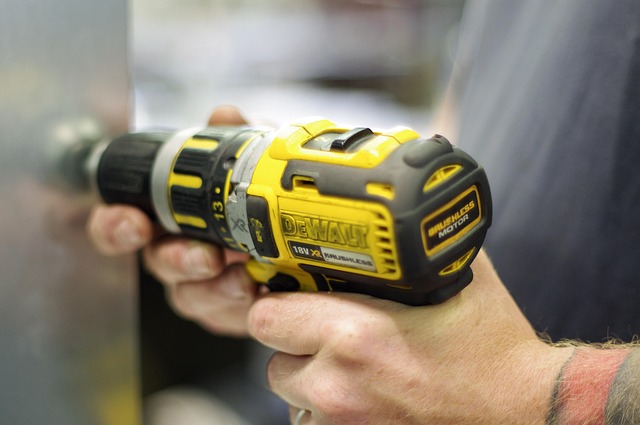
The Relationship Between Infrastructure Growth and Power Tool Innovation
Urbanization has pushed contractors to adopt advanced drilling methods that improve accuracy and speed. Cement hammer drills have evolved to meet these needs through enhanced torque control and impact precision. In complex projects such as metro tunnels or high-rise foundations, equipment reliability determines project timelines. The interplay between project complexity and tool capability continues to drive innovation, leading to hybrid systems that combine mechanical force with digital monitoring.
Regional Construction Trends Affecting Demand for Cement Hammer Drills
Asia-Pacific remains the fastest-growing region for cement hammer drill adoption due to massive investments in urban infrastructure. China’s Belt and Road Initiative alone has spurred demand for heavy-duty tools across multiple markets. In North America, renovation cycles and green building standards sustain steady sales of cordless and energy-efficient models. Meanwhile, Africa and Latin America are embracing new drilling technologies as part of industrialization efforts, with localized training programs improving operator proficiency.
Technological Advancements in Cement Hammer Drill Design
Tool manufacturers are prioritizing ergonomic design, energy efficiency, and digital integration. These advancements not only enhance performance but also reduce fatigue among workers operating in harsh environments.
Evolution of Drill Mechanisms for Enhanced Efficiency
Modern cement hammer drills integrate brushless motors that deliver consistent torque with minimal maintenance. Precision engineering allows smoother transitions between rotation speeds while maintaining impact stability on dense materials like reinforced concrete. Vibration reduction systems further protect operators from strain during prolonged use. Material innovations—such as reinforced polymer casings—extend durability without adding unnecessary weight.
The Shift Toward Battery Operated Drills in Professional Construction Settings
Battery operated drill technology has matured significantly with lithium-ion cells providing longer runtime and faster charging cycles. Cordless operation eliminates dependency on fixed power sources, improving mobility across multi-level structures or remote sites. Smart battery management systems now regulate power distribution automatically, extending both battery life and tool longevity—a critical factor for contractors managing multiple devices simultaneously.
Performance Metrics Defining Modern Cement Hammer Drills
Professionals evaluate drills through measurable parameters that reflect operational reliability under heavy loads. Manufacturers emphasize quantifiable data to demonstrate real-world performance advantages.
Key Technical Parameters for Professional Evaluation
Impact energy measured in joules determines penetration strength per strike, while rotation speed affects drilling precision across varying substrates. Bit compatibility ensures flexibility across different materials from masonry to reinforced steel inserts. Brushless motors reduce friction losses and minimize maintenance downtime compared to brushed alternatives. Advanced cooling mechanisms prevent overheating during extended operation cycles common in commercial projects.
Integration of Digital Features in Next-Generation Tools
Next-generation cement hammer drills incorporate embedded sensors that track vibration levels, torque output, and temperature metrics in real time. These data points enable predictive maintenance scheduling before mechanical failures occur. Connectivity features allow supervisors to monitor multiple tools remotely via centralized dashboards—a growing trend among large contractors managing dispersed job sites. Software updates further refine performance post-purchase by calibrating internal firmware based on usage analytics.
Market Dynamics Shaping the Global Cement Hammer Drill Industry
Competition within the power tool sector revolves around balancing power delivery with ergonomic efficiency while addressing sustainability expectations from clients and regulators alike.
Competitive Landscape Among Leading Manufacturers
Leading brands invest heavily in R&D to differentiate their product lines through innovative designs emphasizing reduced noise levels, lighter frames, and recyclable components. Collaborations between manufacturers and major construction firms accelerate prototype testing under real-world conditions, shortening development cycles. Premium models often integrate proprietary cooling systems or digital interfaces unavailable in entry-level variants—creating distinct market segmentation strategies.
Supply Chain Factors Influencing Production and Distribution
Raw material fluctuations—especially steel alloys used in drill bits—affect production costs globally. Logistics disruptions have encouraged companies to establish regional manufacturing hubs closer to demand centers for better supply resilience. Sustainability initiatives now push suppliers toward closed-loop recycling programs where worn-out batteries or metal casings are reprocessed into new units rather than discarded.
Future Outlook: Innovation Pathways in Construction Tool Technology
The next phase of development will merge automation with sustainability goals as construction sites become increasingly digitized.
Emerging Trends Transforming Cement Hammer Drill Applications
Integration with robotic arms enables automated drilling sequences on prefabricated modules—a growing practice in modular construction plants. Modular drill designs allow quick customization depending on site conditions such as confined spaces or variable substrate hardness. Lightweight composite materials continue gaining favor since they reduce operator fatigue without compromising torque output or structural integrity.
Anticipated Impact of Sustainable Practices on Tool Development
Manufacturers are aligning their design processes with carbon reduction targets by incorporating energy-efficient motors that consume less electricity per unit of work performed. Recyclable packaging materials are replacing traditional plastics while eco-friendly coatings reduce chemical emissions during production stages. Lifecycle analysis is emerging as a standard benchmark used by procurement teams when selecting tools aligned with corporate sustainability commitments.
FAQ
Q1: Why are cement hammer drills critical for modern infrastructure projects?
A: They provide the necessary impact force to penetrate dense materials like reinforced concrete efficiently while maintaining precision under continuous load conditions.
Q2: How do battery operated drills compare with corded models?
A: Advances in lithium-ion technology allow cordless drills to match corded versions in power output while offering superior mobility across job sites.
Q3: What role does digital integration play in new drill models?
A: Embedded sensors enable real-time monitoring of performance metrics such as torque and temperature, supporting predictive maintenance strategies.
Q4: Which regions show the highest growth potential for cement hammer drill sales?
A: Asia-Pacific leads due to large-scale infrastructure expansion followed by North America’s renovation sector and emerging African markets investing in industrial capacity.
Q5: How is sustainability influencing future tool design?
A: Manufacturers focus on recyclable materials, efficient motors, and lifecycle assessments to meet environmental regulations while maintaining productivity standards.